Savannah Chrisley’s fiancé, Jason Galanis, was sued in 2012 for an unpaid $40,000 balance on a $120,000 diamond bracelet. The judgment was satisfied by December 2012. This revelation follows Chrisley’s announcement of her engagement and pregnancy with the 56-year-old fraud convict.
A new book argues that the bond market, not just stocks, drives modern inequality by allowing institutions to offload risk. While current markets price in aggressive Federal Reserve rate hikes due to strong growth, historical analysis shows how bond structures have long enabled financial detachment from real-world consequences, from colonial slavery to modern municipal debt.
The Vanguard 500 Index Fund, originally launched as the First Index Investment Trust on August 31, 1976, has grown from a disastrous debut raising only $11.32 million to a massive asset manager holding $1.7 trillion. While early critics dismissed it as 'Bogle's Folly,' the fund's persistence and low-cost strategy have reshaped global investing, outperforming active managers and saving investors billions in fees over five decades.
Leopold Aschenbrenner’s $35 billion loss from leveraged AI stock bets at Situational Awareness now ranks as the largest trading loss in history, surpassing previous records. Jane Street Capital absorbed a $15 billion hit from the collapse. The Financial Times analyzed historical data to contextualize this event, noting that while many massive losses occur at banks or corporations, only a few involve hedge funds. The article highlights that large asset managers like Millennium Management can generate multi-billion dollar losses through normal market fluctuations, but these are rarely recorded as 'disasters' because they are not realized or are part of routine volatility. The FT’s analysis suggests that the current leaderboard is skewed toward events that generate significant media attention, potentially underestimating the true scale of losses at firms like Tiger Global or Jane Street itself.
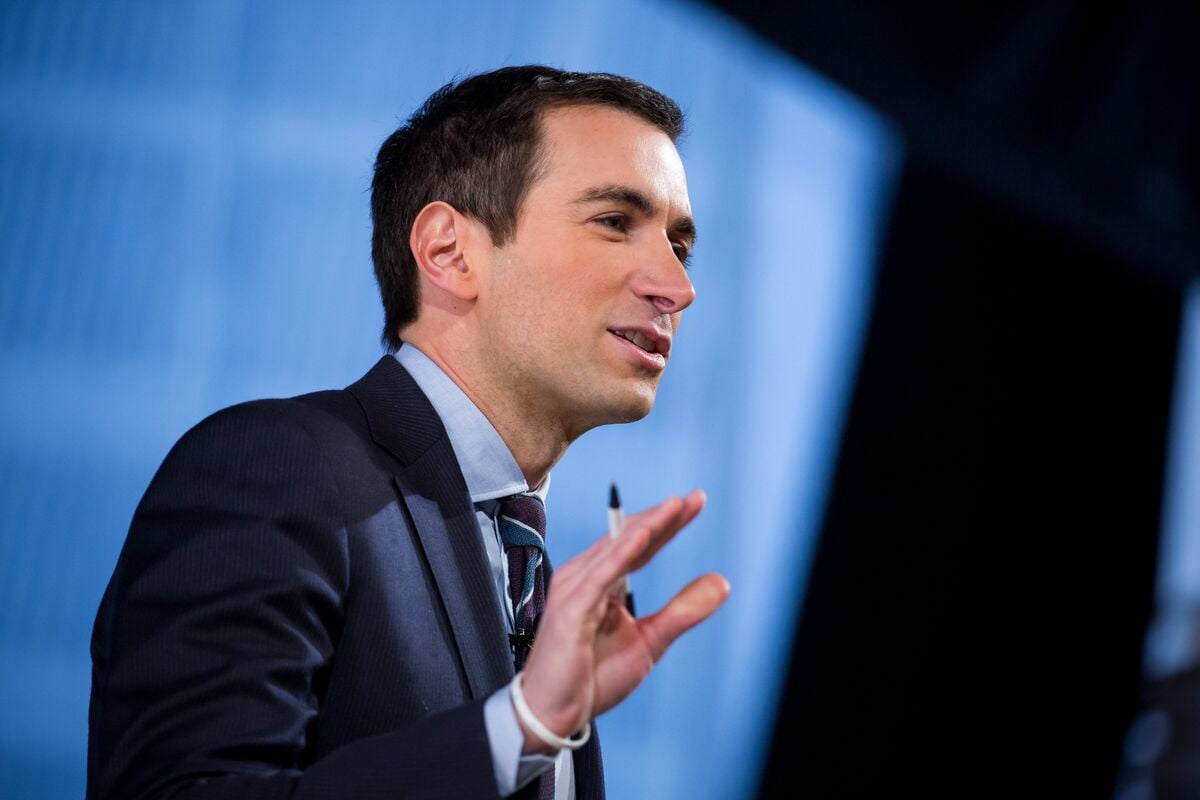
Andrew Ross Sorkin discusses the current speculative environment and compares it to the 1929 stock market crash, highlighting lessons from history and the similarities and differences in market exuberance.