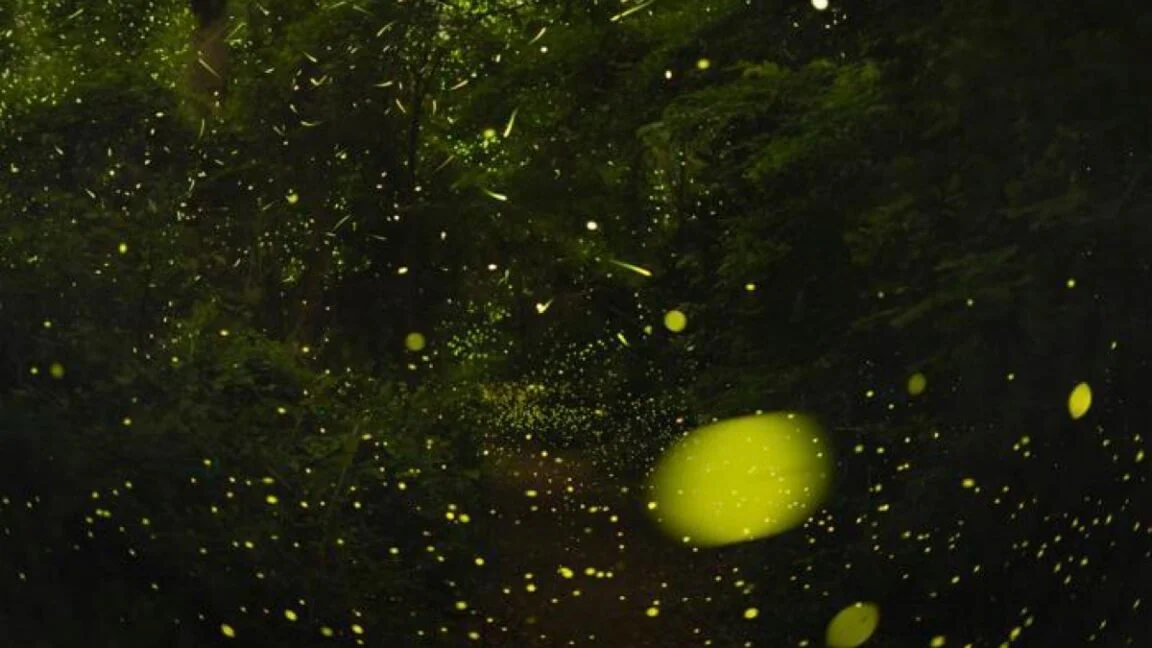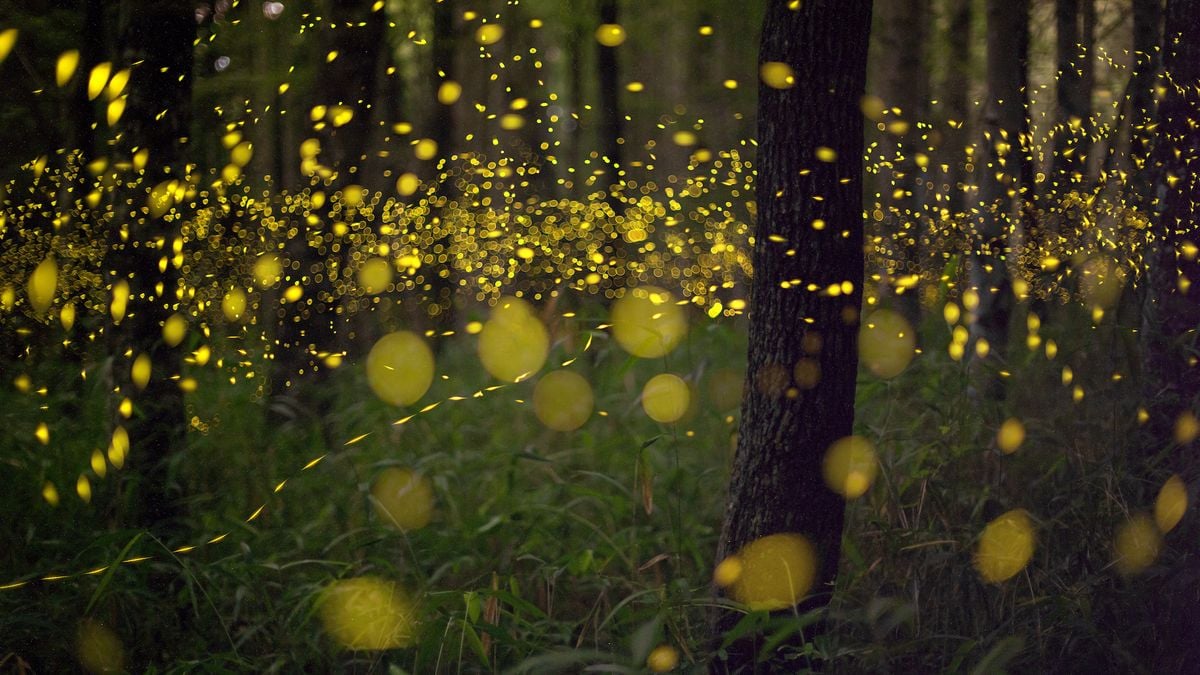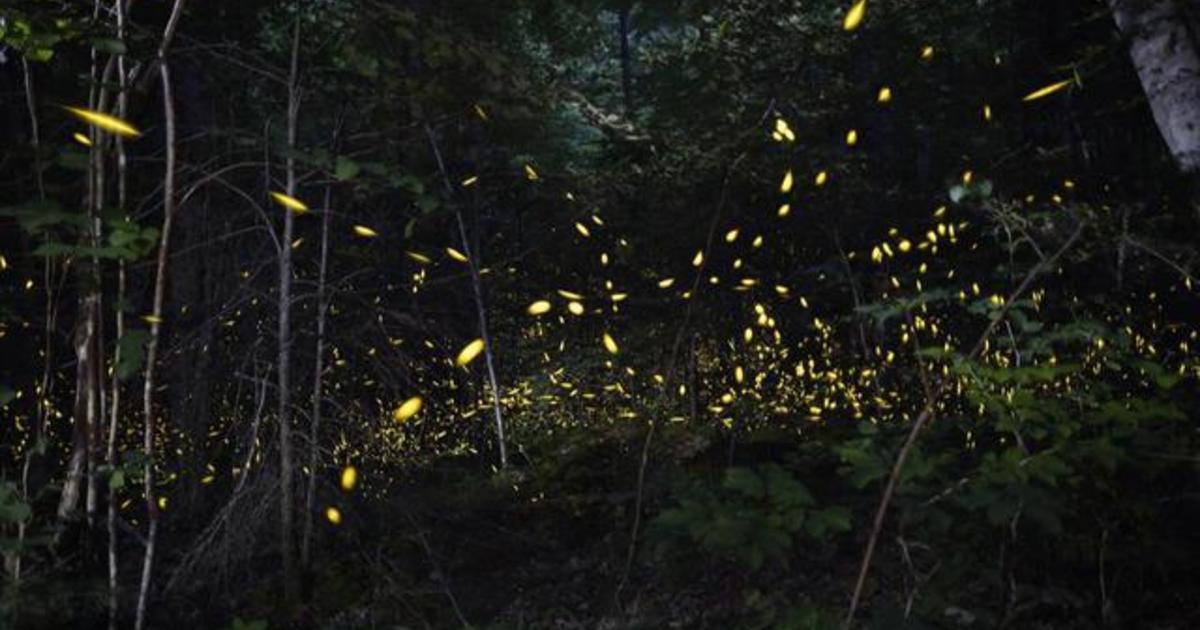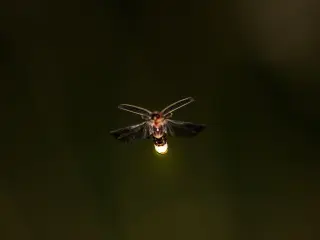
Scientists studying Photuris frontalis in Congaree National Park show that fireflies synchronize their flashes by responding to the timing of external light cues, deriving a phase-response curve that explains the group rhythm and could aid biodiversity monitoring and inspire drone-swarm communication.
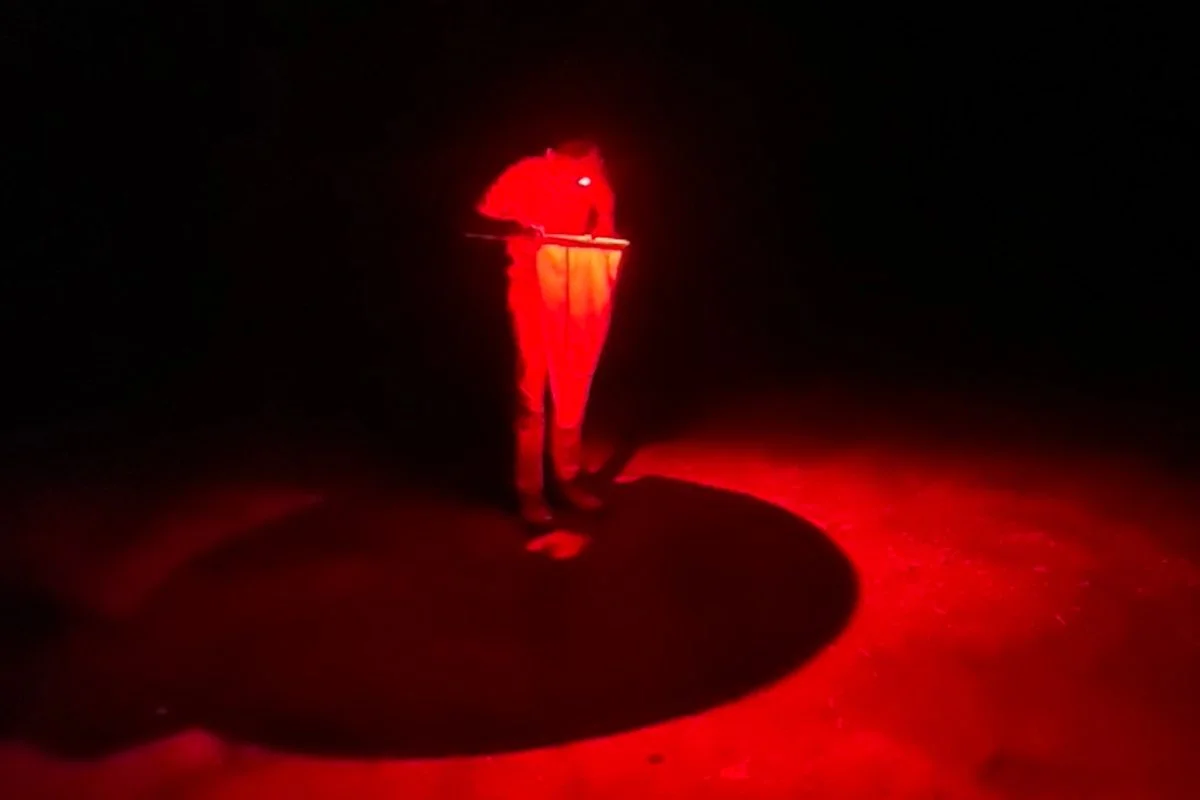
Scientists studying Photinus carolinus in Congaree National Park show that a small group of male fireflies can synchronize their flashes via local interaction rules; using 3D tracking and LED experiments, they found that synchronization occurs most reliably in groups larger than ~15 and displays long-range correlations, with an integrate-and-fire model based on a phase-response curve reproducing the pattern—offering insights for circadian biology and coordinated technologies like drone swarms.
Glow-worms and fireflies are declining globally due to habitat loss, climate change, and light pollution, prompting conservation efforts like habitat restoration and reintroduction, though their future remains uncertain amid ongoing threats.
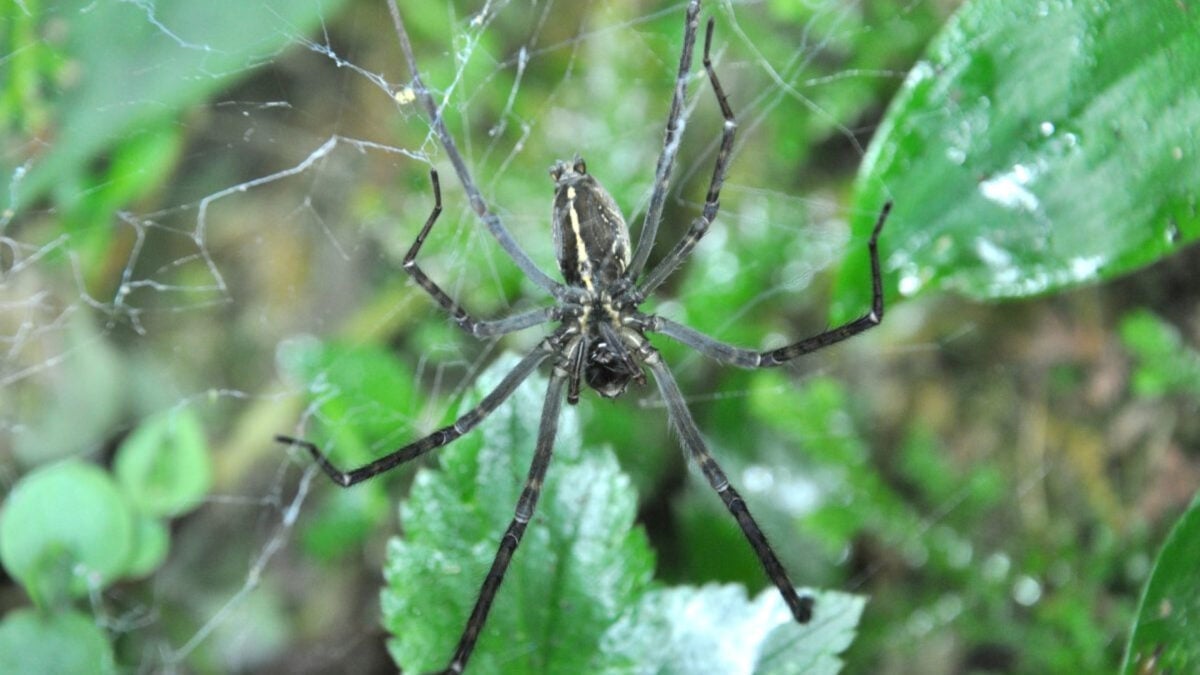
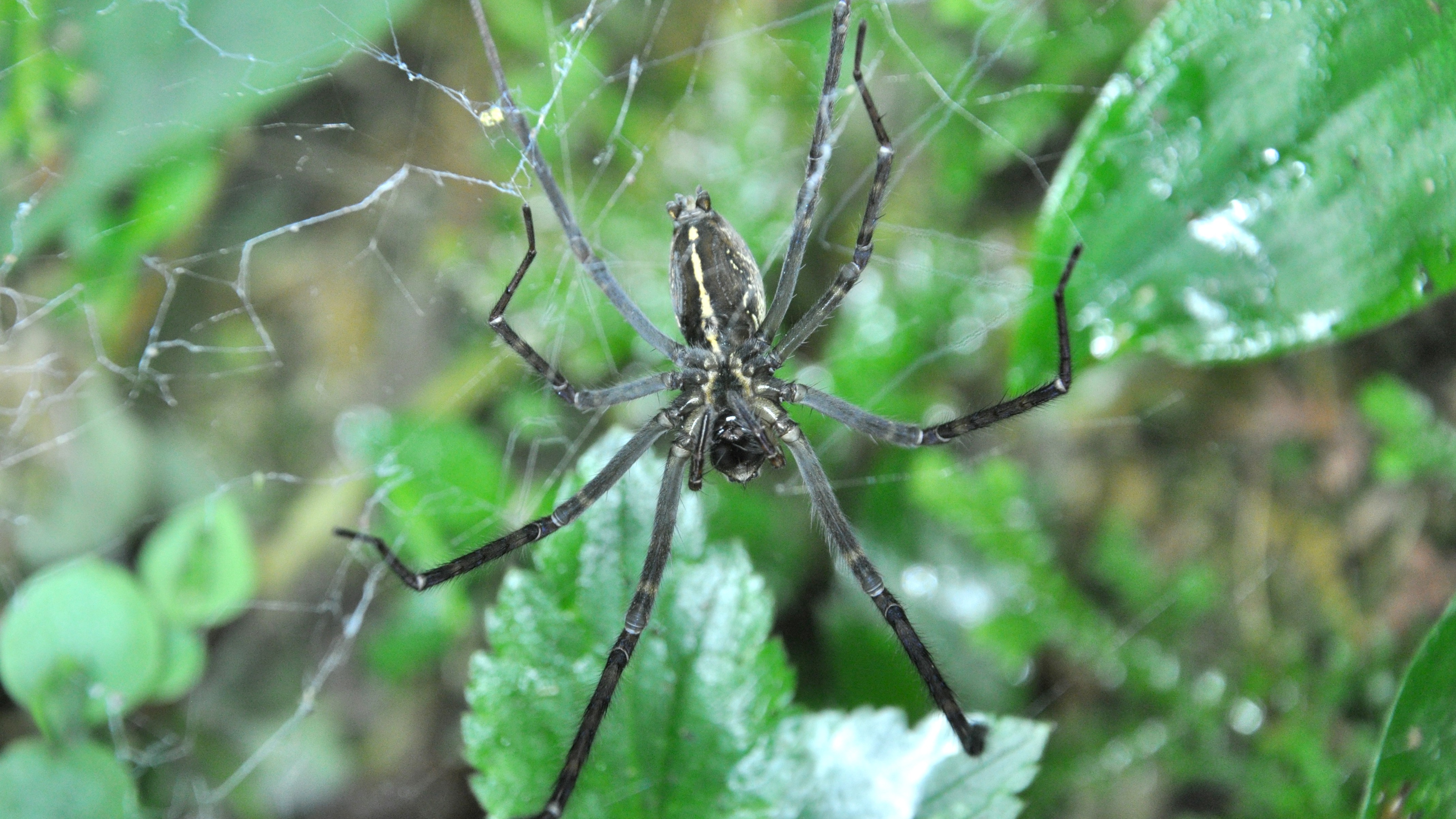
Researchers discovered that sheetweb spiders exploit firefly luminescence to attract prey, using artificial lights resembling fireflies to increase their catch, suggesting an evolved predatory strategy that leverages firefly signals, although ethical and practical challenges prevent direct testing with real fireflies.
Nocturnal sheet web spiders in East Asia have been observed using fireflies as bait by capturing them in their webs, which attracts more prey and increases hunting success, revealing a complex interaction where firefly signals are exploited by spiders for predation.
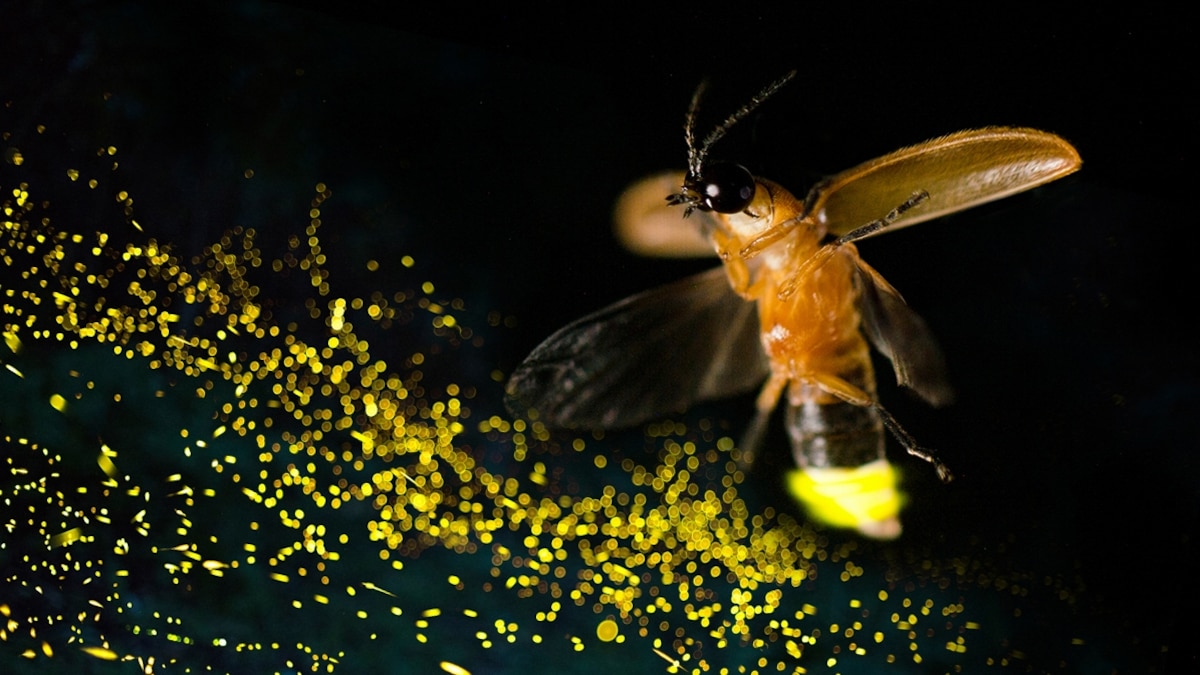
Fireflies produce light through a chemical reaction involving luciferin, luciferase, ATP, and magnesium in their light organs. This bioluminescence helps them repel predators and communicate during courtship. The process is controlled by oxygen flow, and each species has a unique light sequence for mating. Despite advances in understanding, many aspects of firefly bioluminescence and their natural habitat remain unknown.
Scientists have discovered two key genes, Alabd-B and AlUnc-4, responsible for the formation and control of fireflies' light organs, shedding light on how these insects evolved their bioluminescent ability. The study, focusing on the aquatic firefly Aquatica leii, provides crucial insights into the development of firefly light organs and lays the groundwork for understanding their common ancestor's use of these genes to produce light. However, challenges remain in expanding the research to include females and other firefly species. This work is crucial as fireflies face extinction due to factors such as light pollution, pesticide use, and habitat loss.
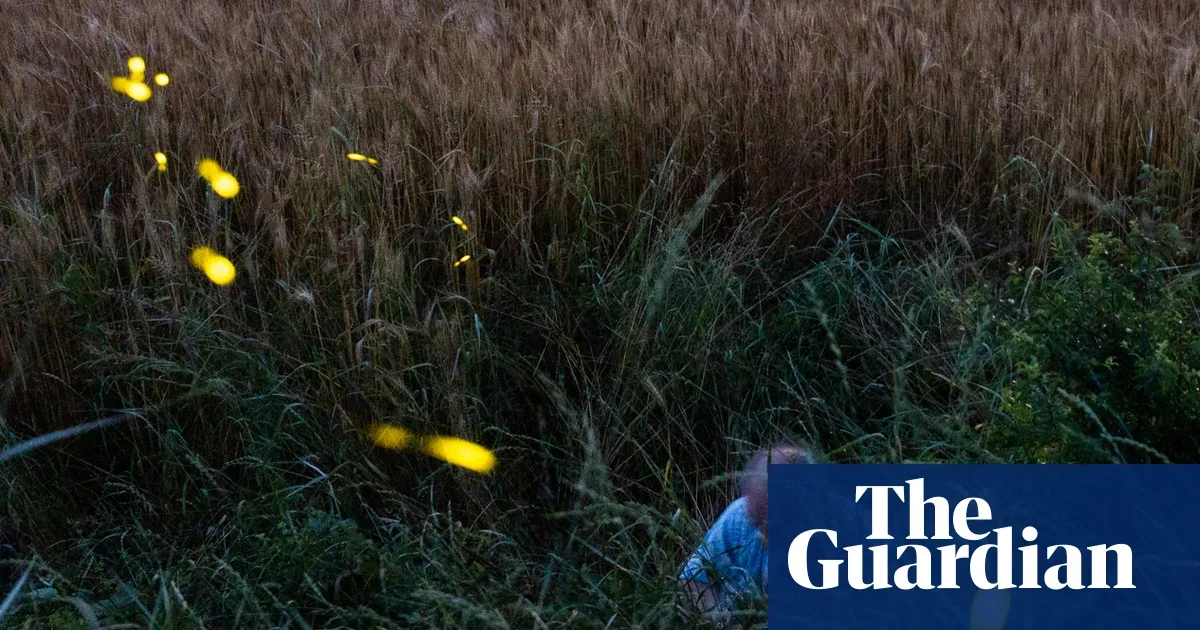
Artificial lights, such as street lamps and LEDs, are disrupting the courtship and mating behaviors of fireflies, leading to a decline in their populations. Female fireflies are particularly affected by the bright lights, as they have difficulty seeing the males' signals. The increasing use of artificial lights, including LEDs, has made the night sky twice as bright in the last decade, negatively impacting nocturnal fireflies. Certain firefly species are already classified as threatened, and researchers estimate that nearly one-third of the 170 firefly species in North America are at risk of extinction. To help fireflies, people can create suitable habitats by leaving leaves in their yards for larvae, limiting pesticide use, and reducing light pollution by turning off unnecessary lights.