Tag

Biorxiv

All articles tagged with #biorxiv

Biomedical preprints largely withstand peer review, large analysis finds
science1 day ago

Biomedical preprints largely withstand peer review, large analysis finds

A large, non‑peer‑reviewed study posted on bioRxiv analyzed 72,644 biomedical preprints (2018–2025) and found that central conclusions remain unchanged in 39.9% and are revised only modestly in about 50%, with major changes in around 10%. Revisions tend to become more cautious after peer review. Major revision rates vary by field (7.2% for bioinformatics vs 17.5% for microbiology) and have declined over time (17% in 2019 to 5.7% in 2024). Preprinted papers are retracted at roughly half the rate of non‑preprinted ones (8.1 vs 18.7 per 10,000), though the study is observational and subject to selection biases. Overall, preprints appear more reliable than some critics claim, but caveats remain regarding interpretation and methodology.

Lab-made SpudCell: lifelike but not autonomous
science4 days ago

Lab-made SpudCell: lifelike but not autonomous

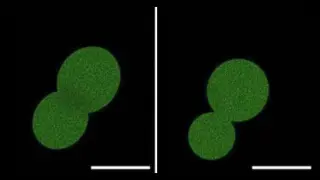
Scientists report SpudCell, a bottom‑up synthetic cell built from 36 purified enzymes and a fatty membrane with a minimal genome, which can feed, grow, and divide in a dish. However, it cannot produce its own energy, lacks full ribosomal machinery, and relies on externally supplied fats, sugars, and enzymes; its genome is distributed on plasmids and cell division can be imperfect. Described as a proof‑of‑principle rather than a living, autonomous organism, the work could someday enable new on‑demand chemical or pharmaceutical production, but peer review is pending and some scientists urge caution about hype and autonomy claims.

SpudCell: Minnesota researchers unveil a near-life synthetic cell built from nonliving components
science9 days ago

SpudCell: Minnesota researchers unveil a near-life synthetic cell built from nonliving components

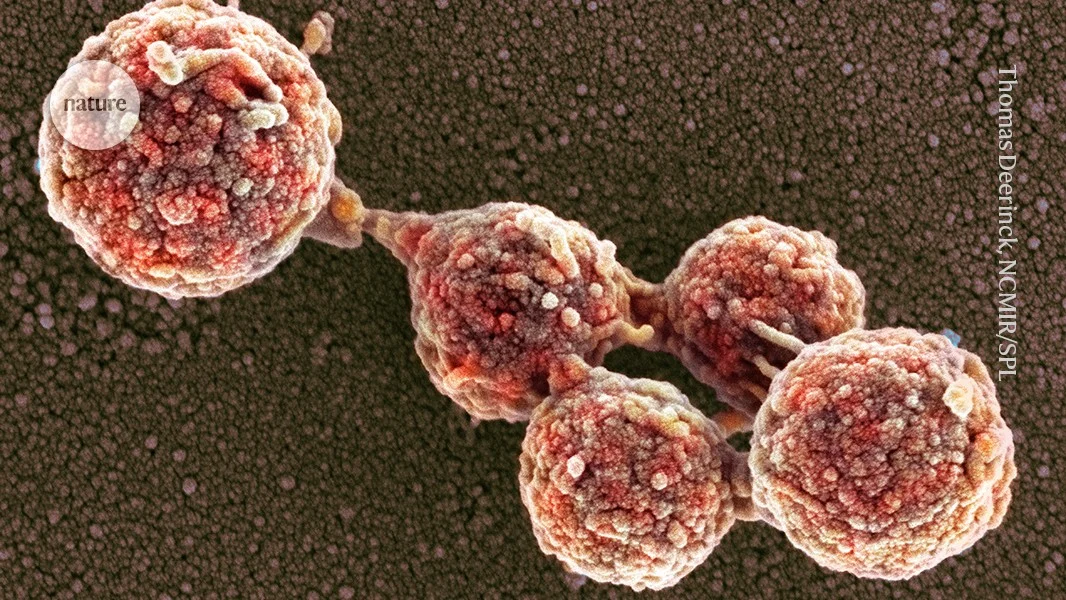
University of Minnesota researchers report the creation of SpudCell, a life-like synthetic cell assembled from nonliving components that can grow, replicate its DNA and divide under lab conditions, featuring a 90,000-base-pair genome. After five generations, only about 30% of daughter cells inherited the complete synthetic genome, underscoring current limits. Published as a bioRxiv preprint (not peer-reviewed), the work marks a milestone toward artificial life but the cells require external nutrients and strict lab conditions and are far from self-sustaining, prompting ongoing biosafety and biosecurity discussions.

Genome transplant yields living 'zombie' cells, signaling a new frontier in synthetic biology
science3 months ago

Genome transplant yields living 'zombie' cells, signaling a new frontier in synthetic biology

Scientists resurrect dead Mycoplasma capricolum cells by swapping their nonfunctional DNA for a working genome from Mycoplasma mycoides, creating 'zombie cells' after inactivating recipients with mitomycin C; reported on bioRxiv, the method reduces false positives and marks a step forward in genome transplantation and synthetic biology with potential to test engineered genomes across species.

bioRxiv’s rapid rise reshapes biology publishing with millions of monthly views
science4 months ago

bioRxiv’s rapid rise reshapes biology publishing with millions of monthly views

An analysis of bioRxiv's first 13 years shows explosive growth: over 310,000 preprints posted since 2013, about 4,000 new papers per month in 2025, and around 10 million monthly views; neuroscience leads usage, and roughly 80% of preprints later appear in journals within three years, with many authors posting early to gain visibility while the platform pursues open peer review to address quality concerns amid AI-assisted submissions.