
Tag

Forest Health

All articles tagged with #forest health

From Backyard Escape to Century-Long Forest Pest
science23 days ago

From Backyard Escape to Century-Long Forest Pest

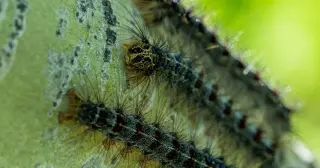
An 1869 backyard silkworm breeding experiment by Étienne Trouvelot led to a wind-dispersed escape of gypsy moth caterpillars. By 1889 a 360-square-mile outbreak near Medford, Massachusetts revealed how a slow-burn invasion can take decades to bloom, eventually spreading across North America to strip millions of acres in bad years and cost roughly $868 million annually in damages. The moth’s spread was aided by few natural predators and wind-assisted dispersal, with a fungal pathogen arriving in 1989 helping curb some outbreaks. Even after more than a century, containment remains a costly, ongoing effort, illustrating how a small careless moment can trigger a long tail of ecological impact.
Unraveling the Mystery of Aspen Death: Research Explores Causes and Extent
environment3 years ago

Unraveling the Mystery of Aspen Death: Research Explores Causes and Extent

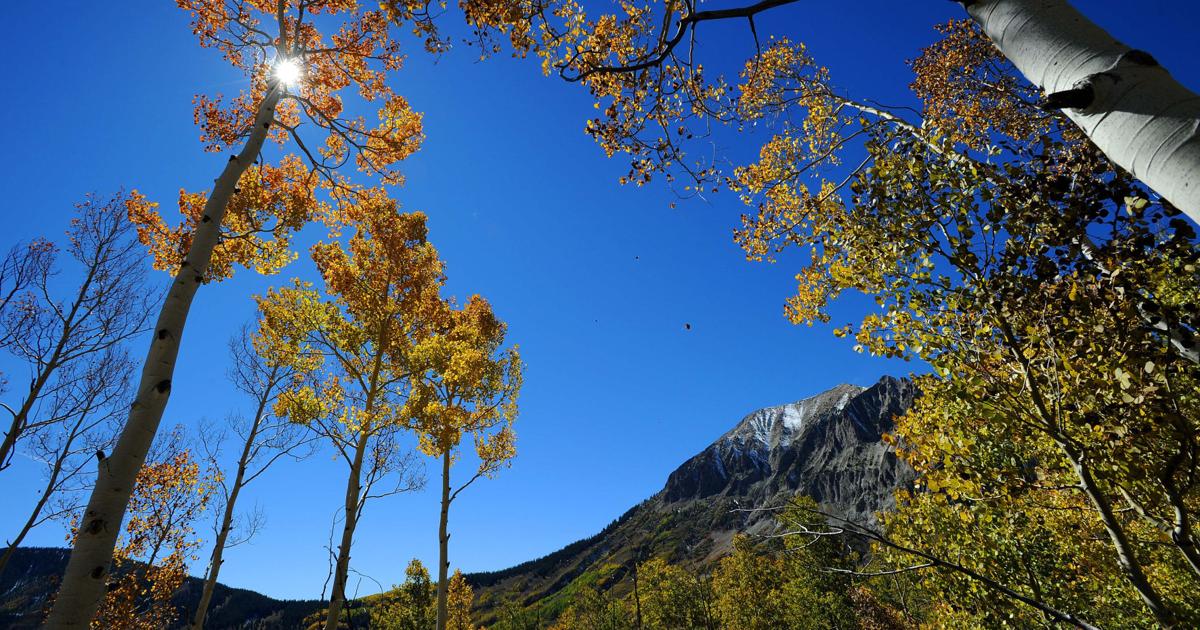
Sudden aspen decline (SAD) is a phenomenon affecting Colorado's beloved aspen trees, characterized by rapid dieback and mortality. Scientists attribute SAD to a combination of factors, including acute warm drought, weakening the trees' ability to fight off insects and pathogens. As the world warms and drought intensifies, the underground root system responsible for nutrient supply to the canopy is compromised, depleting the trees' energy source. While aspen is known for its resilience and ability to regenerate, concerns remain about the impact of SAD on young sprouts and the need for land management strategies to support regeneration.

Emerging Threats: Scientists Warn of a Mysterious Pest and Beech Leaf Disease
environment3 years ago

Emerging Threats: Scientists Warn of a Mysterious Pest and Beech Leaf Disease

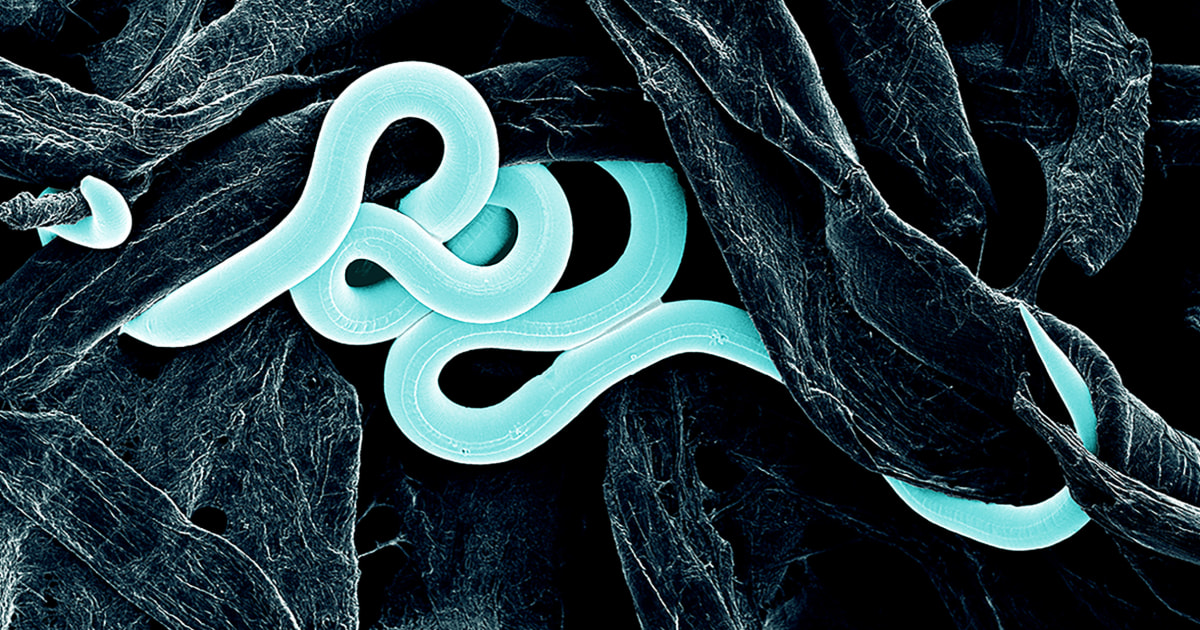
Scientists are sounding the alarm over a new subspecies of nematodes, known as Litylenchus crenatae mccannii, that are causing significant damage to beech trees in North America. These microscopic pests feast on the buds and leaves of beech trees, leading to dark bands, crinkling, and thinning of the crown, ultimately resulting in the trees' death. The nematodes have spread rapidly, and researchers are still trying to determine their origin and mode of transmission. The disease, known as beech leaf disease, poses a threat to the extensive range of American beech trees and has already caused substantial financial losses for nurseries. Increased funding and research are needed to understand and combat this destructive pest.