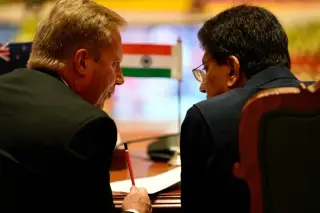
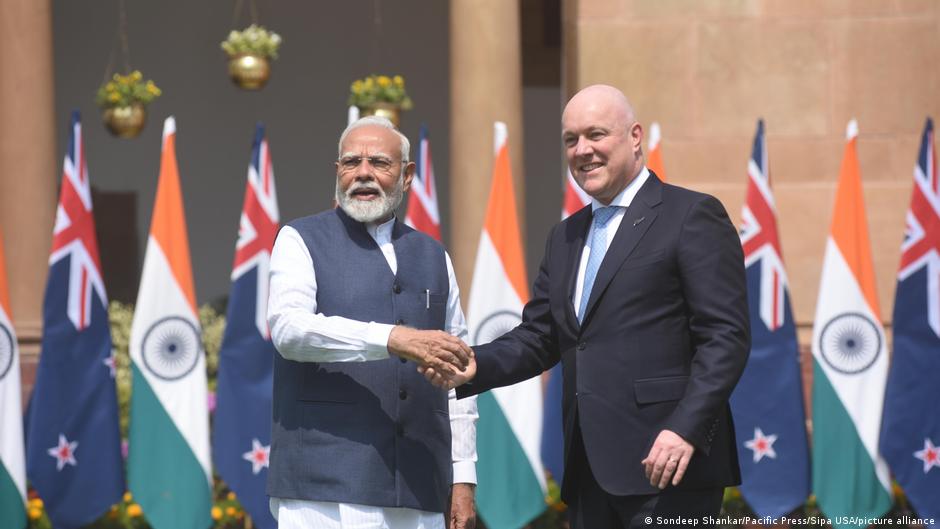
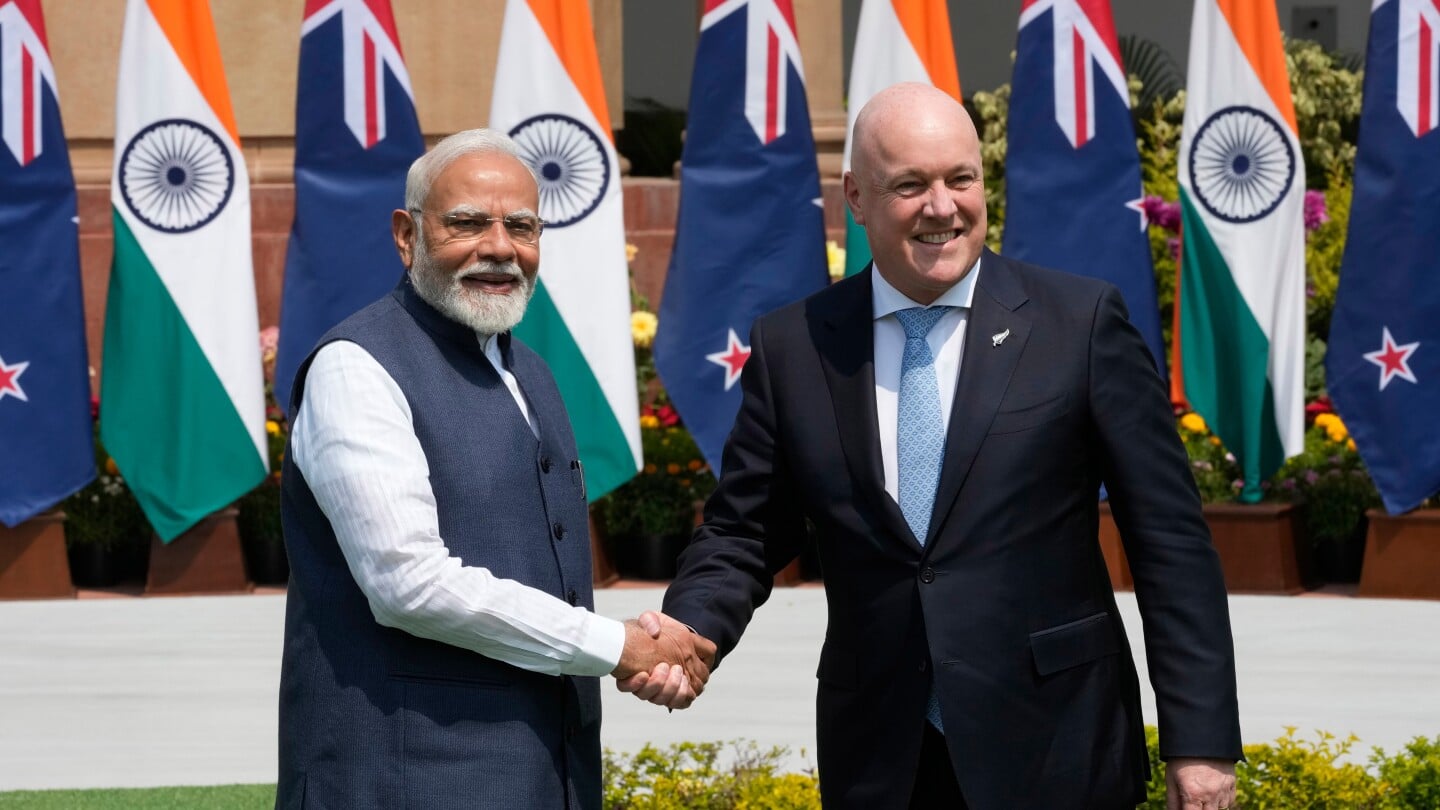
India and New Zealand signed a free trade agreement in New Delhi on April 27, 2026, to deepen economic ties with broader market access and cooperation across goods, services, and investment, announced by Indian Commerce Minister Piyush Goyal and New Zealand Trade Minister Todd McClay.
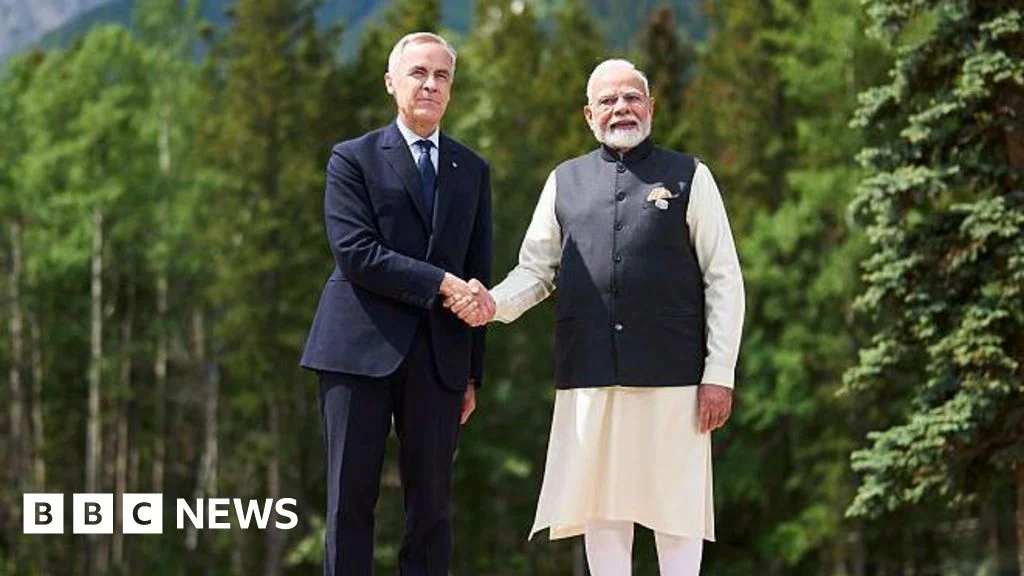
Prime Minister Carney's visit to India is aimed at repairing ties and advancing a long-sought free trade deal, with India seeking diversified energy imports (uranium, oil, gas) and both sides navigating US tariff pressures and residual concerns from the Nijjar case as they pursue a pragmatic, trade-focused partnership.
The EU and India announced a sweeping free trade agreement that will remove or cut tariffs on 96.6% of EU goods to India and open EU markets to Indian products, with autos a major beneficiary as vehicle tariffs could fall to as little as 10% within a 250,000‑vehicle quota. India gains nearly universal access on machinery, chemicals and pharmaceuticals, while wine, textiles, marine products and other labour‑intensive Indian exports will face tariff reductions in the EU. The deal excludes broader commitments on labour rights and environmental standards and preserves protections for sensitive European sectors like beef and dairy. Seen as a strategic move to diversify away from US protectionism and to signal resilience in a rules-based trading system, the pact also has implications for Australia‑EU negotiations and broader global trade realignment.
Europe and India sealed a landmark free-trade agreement, slashing tariffs on textiles, automotive and other goods and introducing a mobility framework for skilled workers, a move many see as part of a broader wave of bilateral deals driven by Trump-era tariffs that have made U.S. trade less predictable and pushed partners to diversify supply chains.
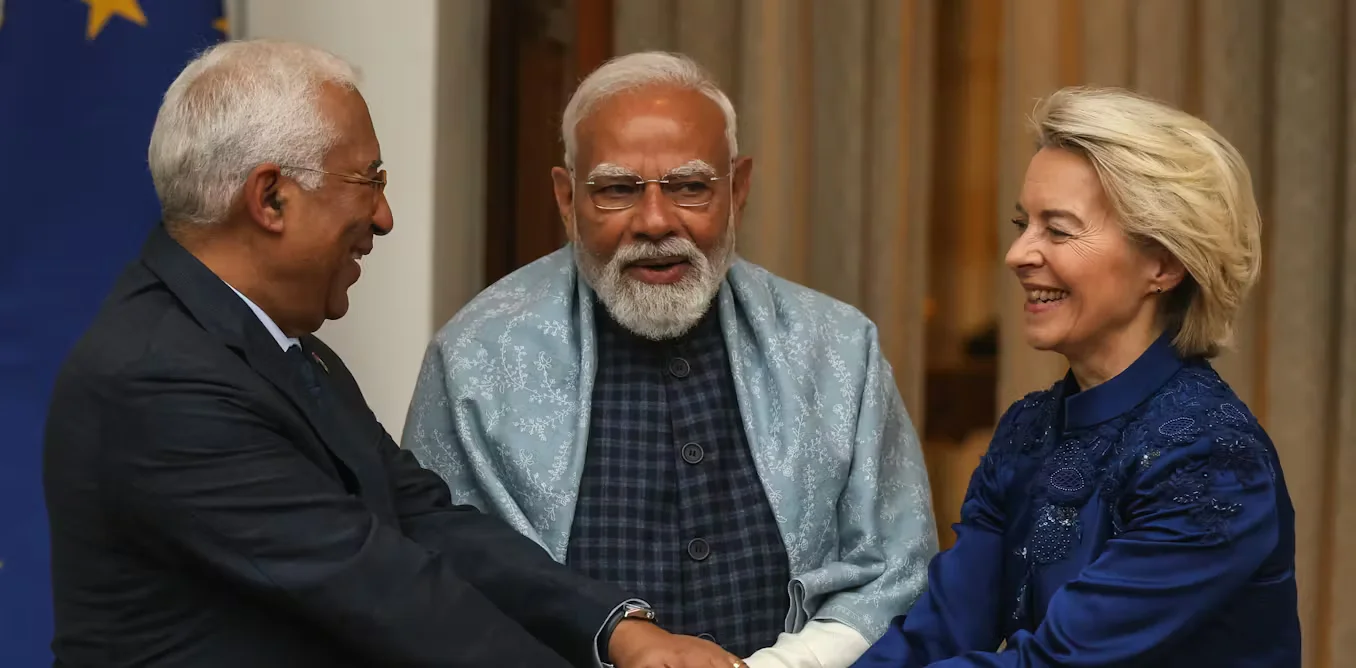
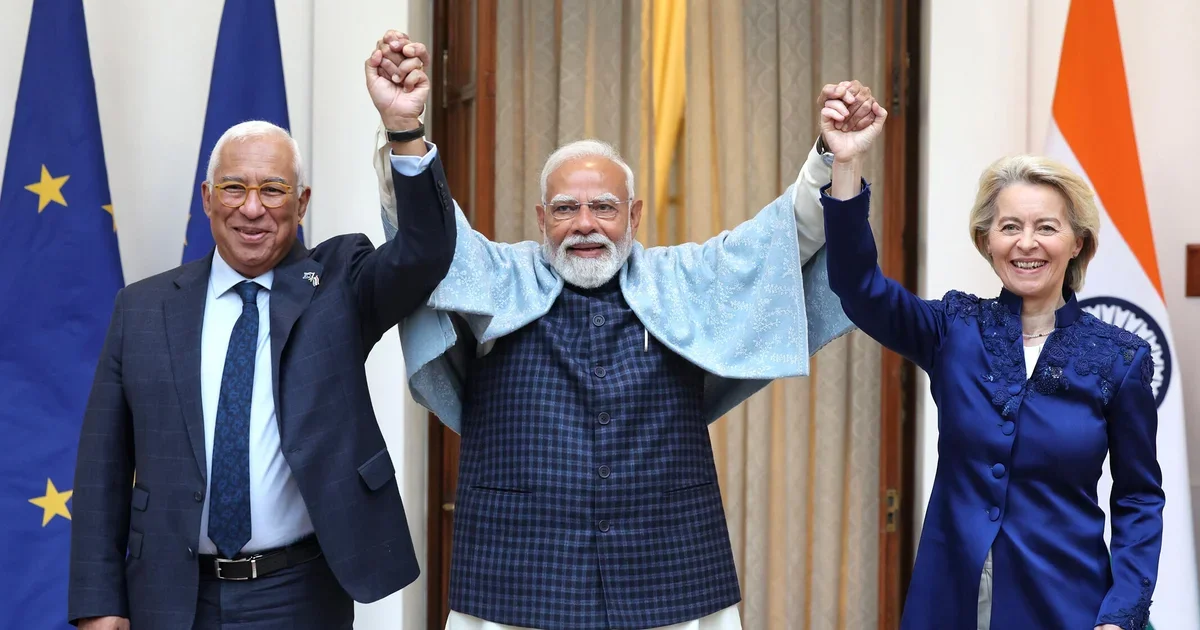
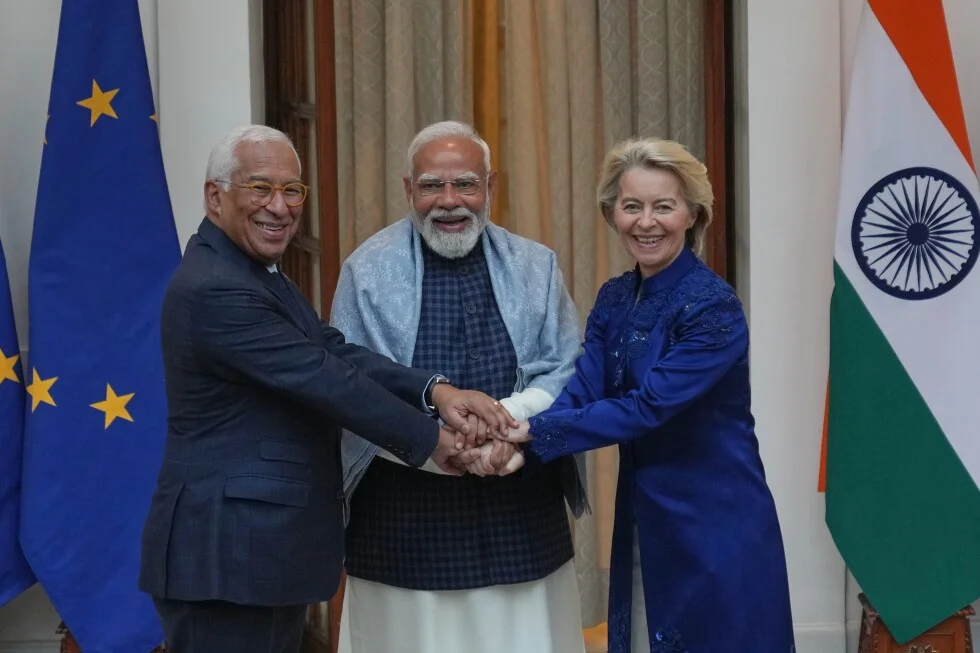
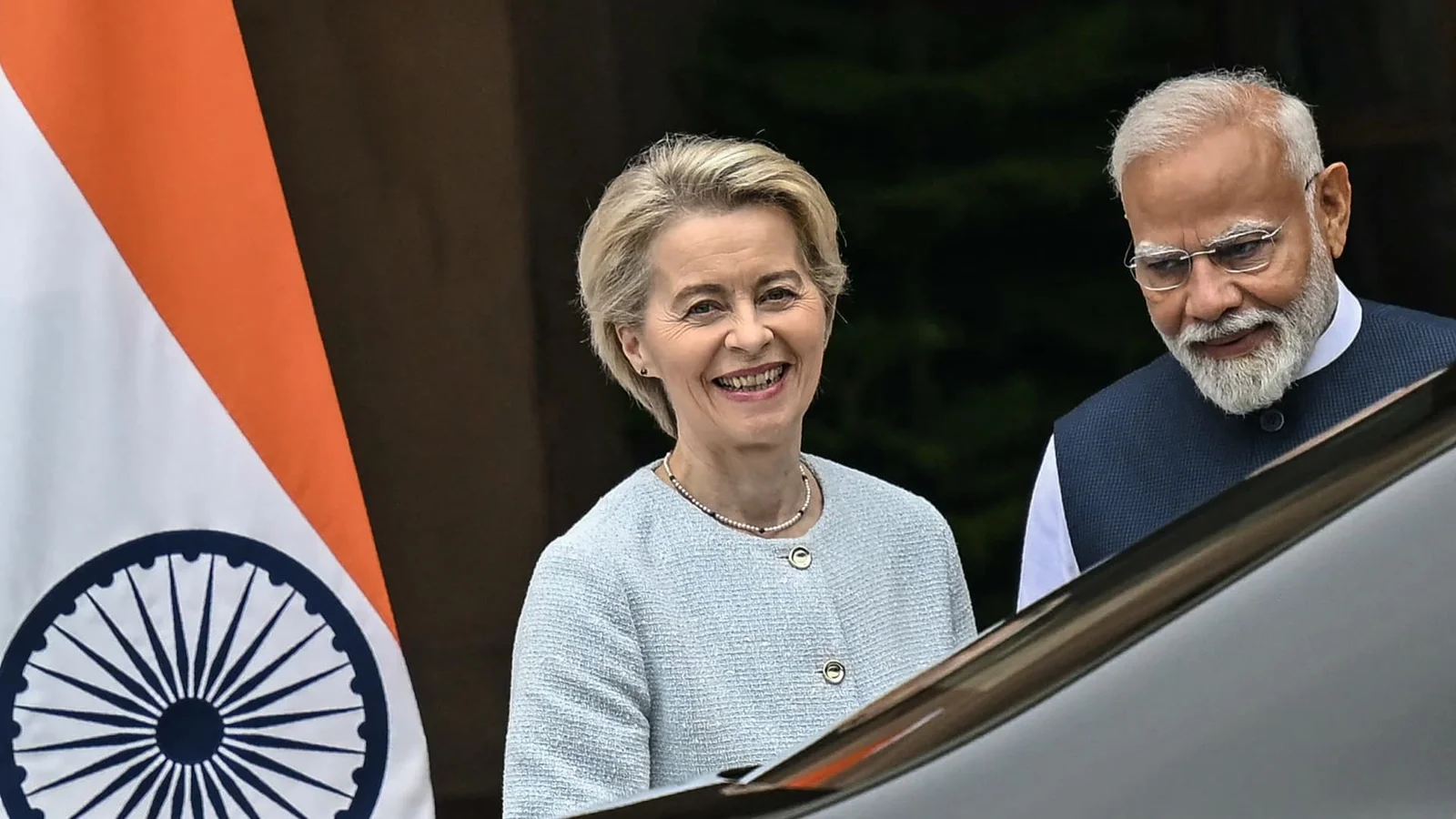
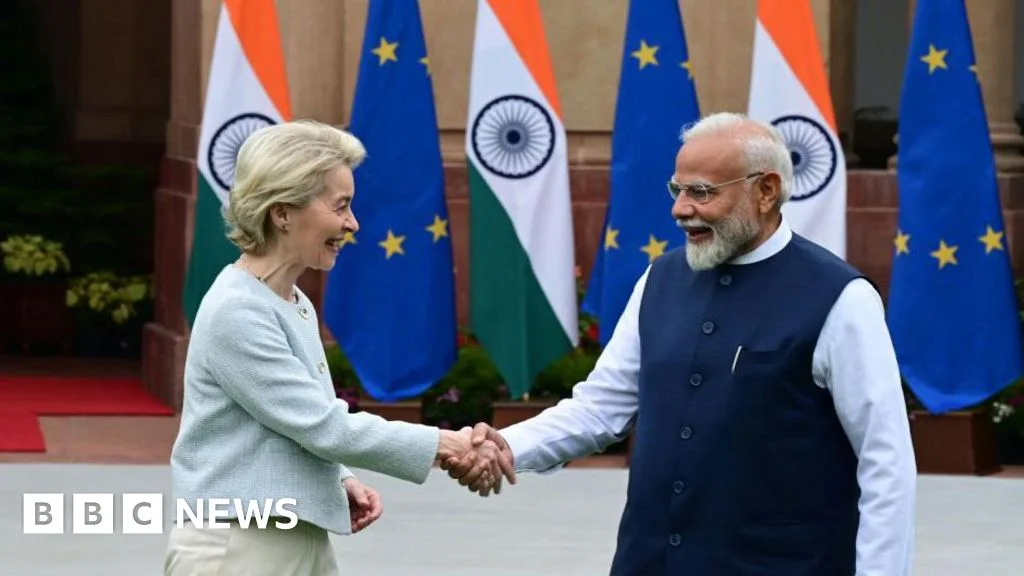
India and the European Union announced a historic free trade agreement after high-level talks in New Delhi, a deal praised as a watershed for expanded trade and investment led by Prime Minister Narendra Modi and EU leaders Antonio Costa and Ursula von der Leyen.
India and the European Union sealed a landmark free trade agreement, creating a vast market (about 2 billion people) and aiming to boost sectors such as textiles, gems and jewelry, leather, and shoes. Modi dubbed it a major milestone as New Delhi seeks relief from U.S. tariffs and to diversify its trade, with the EU accounting for roughly a quarter of global GDP and serving as India’s largest trading partner; the pact complements India’s other recent deals with the U.K., Oman, and New Zealand.
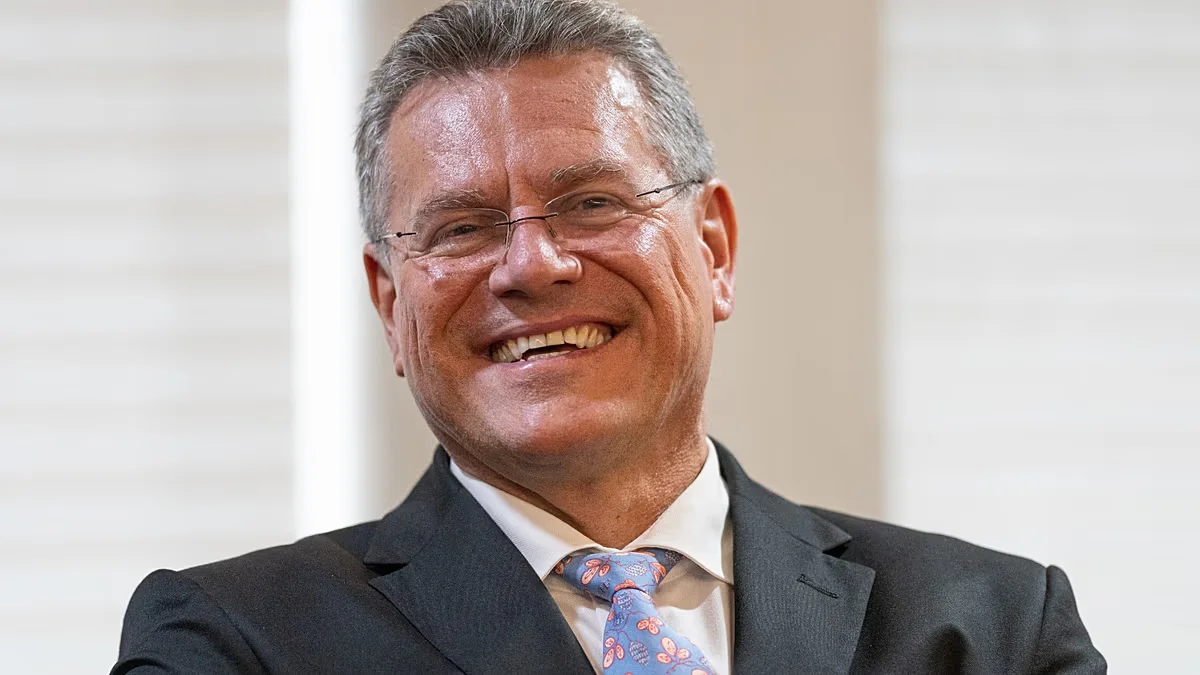
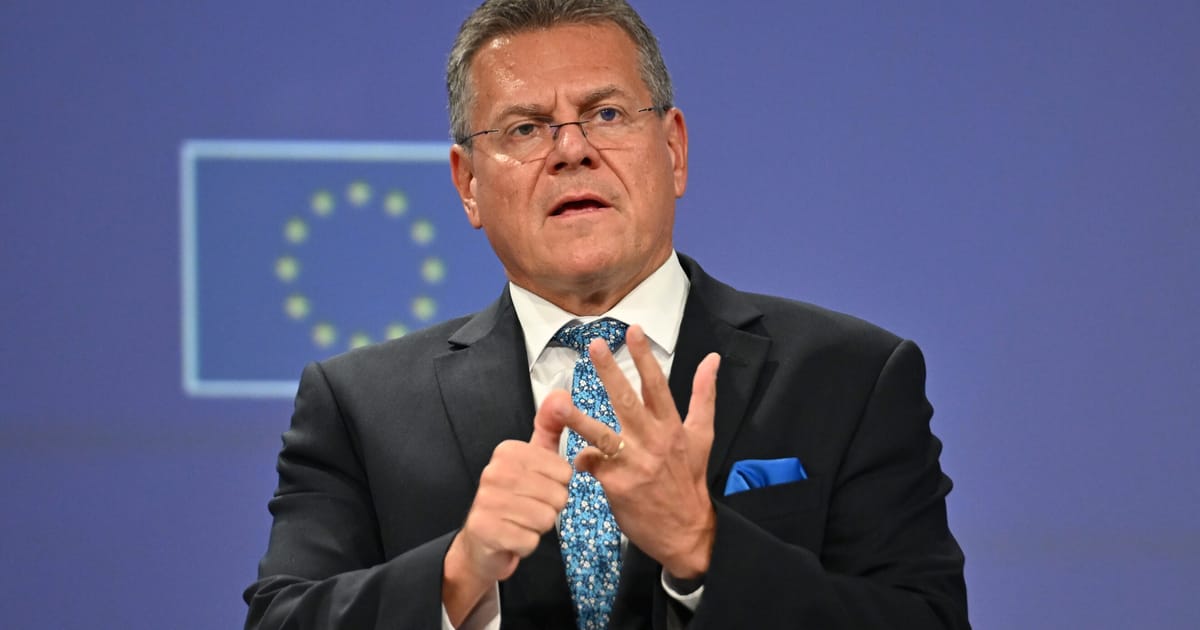
EU trade chief Maroš Šefčovič says negotiations for a free-trade agreement with India are in the final stretch, calling it the 'mother of all deals' that would open India's 1.4‑billion-strong market (and potentially a 2‑billion-people zone) to European exports and services, reduce tariffs (some up to 150%), keep the most sensitive sectors outside the pact, boost the roughly 6,000 European firms already operating in India, and support EU diversification amid global turmoil, though sustainability issues like the EU carbon border tax remain a hurdle.
At a high-stakes EU-India summit, Europe aims to seal a long-awaited free-trade deal with India and push a broader package of accords, signaling options for both sides amid U.S. tariff brinkmanship that has spurred renewed talks.
India and the EU are closing in on a long-awaited free trade agreement, described by leaders as the 'mother of all deals,' with a potential announcement at the Republic Day summit. The pact would be India’s ninth FTA in four years, restore EU GSP benefits, and cut tariffs on key exports like garments and pharmaceuticals, while safeguarding sensitive sectors such as agriculture. It seeks to diversify trade away from US tariff volatility and reduce dependence on China, but remains contentious on issues like IP protection and the EU’s Carbon Border Adjustment Mechanism (CBAM).
The EU and Mercosur reached a free-trade agreement after 25 years of talks, pending European Parliament approval, in what’s billed as the bloc’s largest FTA. It aims to boost trade and climate goals with safeguards for farmers, anti-deforestation commitments, and a phased tariff liberalization over 15 years, saving EU exporters about €4 billion a year in duties. While praised as a win for multilateralism, critics warn cheaper imports could hit European farmers; ratification and environmental enforcement will be key hurdles.
India and New Zealand finalized a comprehensive free trade agreement aimed at reducing tariffs on 95% of New Zealand exports to India and providing India tariff-free access to New Zealand markets, alongside a pledge for New Zealand to invest €17 billion in India over 15 years. The deal, expected to be signed in 2026, covers various sectors but faces political hurdles in New Zealand due to concerns over immigration and dairy protections.
Indonesia and the Eurasian Economic Union have signed a free trade agreement to boost bilateral trade, granting Indonesia preferential rates on most tariffs and aiming to increase exports of key products like palm oil, textiles, and electronics. The deal, signed in St. Petersburg and witnessed by Russian President Vladimir Putin, could potentially double trade between the two economies, which currently totaled $4.4 billion in the first ten months of 2025.
India and New Zealand have reached a free trade agreement aimed at reducing tariffs, easing regulations, and expanding cooperation, with the goal of boosting bilateral trade and economic growth amid global uncertainties. The deal includes zero-duty exports for India to New Zealand and duty concessions for New Zealand, covering key sectors like textiles, horticulture, and marine products, and involves a $20 billion investment commitment from New Zealand over 15 years.
The EU aims to finalize a free-trade agreement with India by late January, ideally before India's Republic Day on January 26, with negotiations ongoing and key hurdles related to carbon border taxes and steel safeguards still to be resolved.
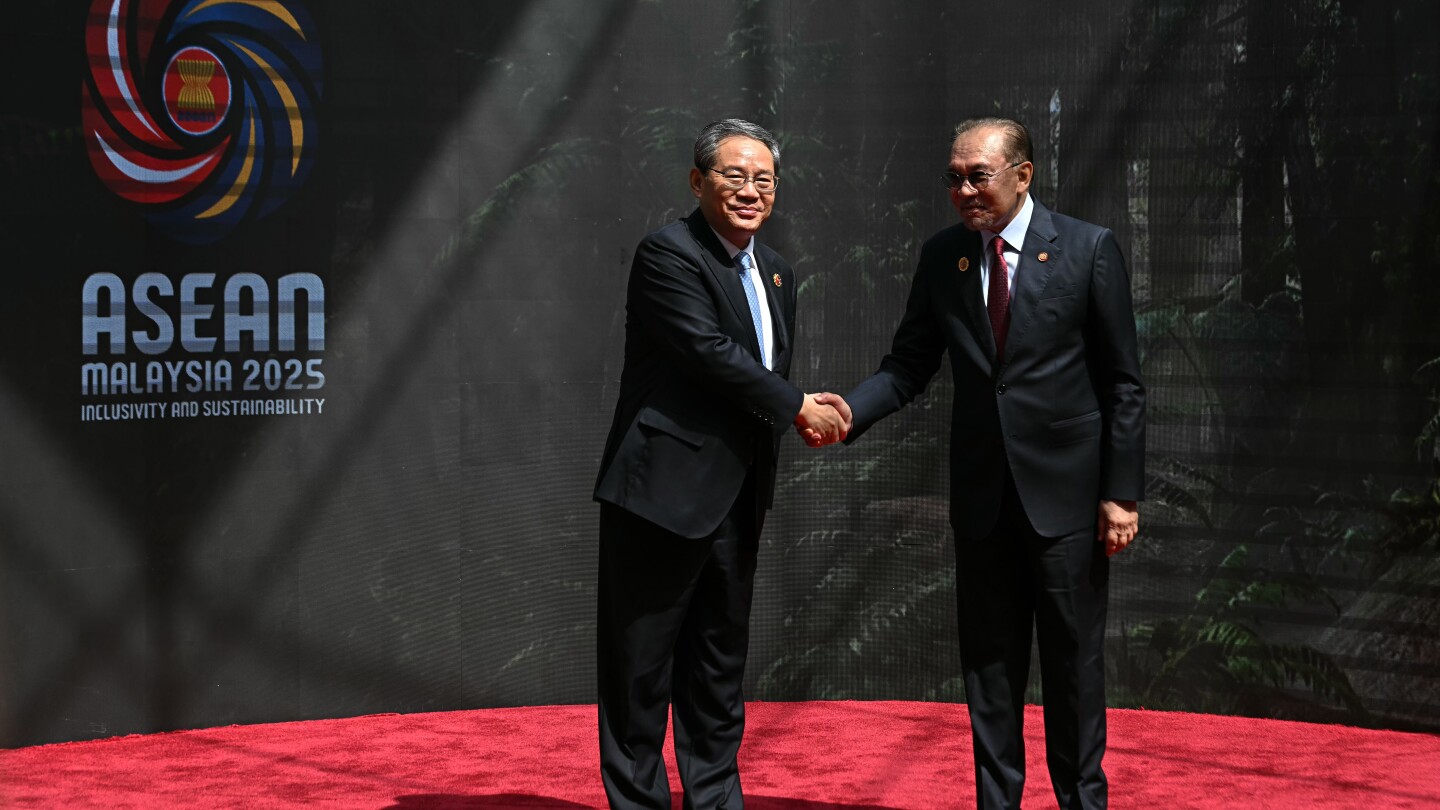
China and ASEAN signed an expanded free trade agreement, enhancing economic ties and covering new areas like digital trade and sustainability, amidst regional tensions and U.S.-China rivalry, with leaders emphasizing cooperation and mutual reliance despite ongoing disputes in the South China Sea.