FuturLab laid off seven developers after canceling a power-washer-free project for cost reasons; reports allege managers were kept out of the loop to avoid guilt, and staff were told not to use the word redundancy and to refer to those let go as 'the leavers,' prompting criticism of handling layoffs in the games industry.
Supermassive Games has announced a third wave of layoffs affecting up to 75 positions at its Guildford studio, saying the cuts are a necessary step to sustain the company. This follows July’s 36-role reduction tied to delaying Directive 8020, and the firm had previously affected around 90 staff in February 2024, with management pledging support for those impacted and a renewed focus on core strengths and upcoming titles.
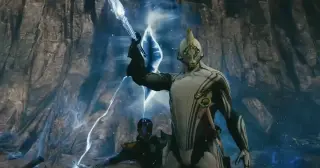
Destiny 2 is ending updates from Bungie, prompting Warframe's team to express heartbreak and emphasize that healthy competition benefits the genre, while honoring Bungie's legacy and looking ahead to Warframe's future updates and events.
AI-driven demand for data-centre components is pushing up costs for console makers, prompting Nintendo and Sony to raise prices and warning of softer hardware sales as supply remains tight; analysts expect the trend to persist and possibly push platforms toward new business models and IP-led revenue.
Nintendo’s stock has fallen about 45% as higher memory-chip prices threaten Switch 2 margins and possible price increases, even as the console shows momentum. By December, Switch 2 sales reached 17.4 million, nearly matching the original’s 17.8 million in its first 13 months, with Pokémon Pokopia posting 2.2 million in four days. Analysts warn memory-supply tightness could persist into 2028, prompting forecast cuts or price hikes, while a June Nintendo Direct and potential Zelda or Mario titles could be crucial to sustaining demand.
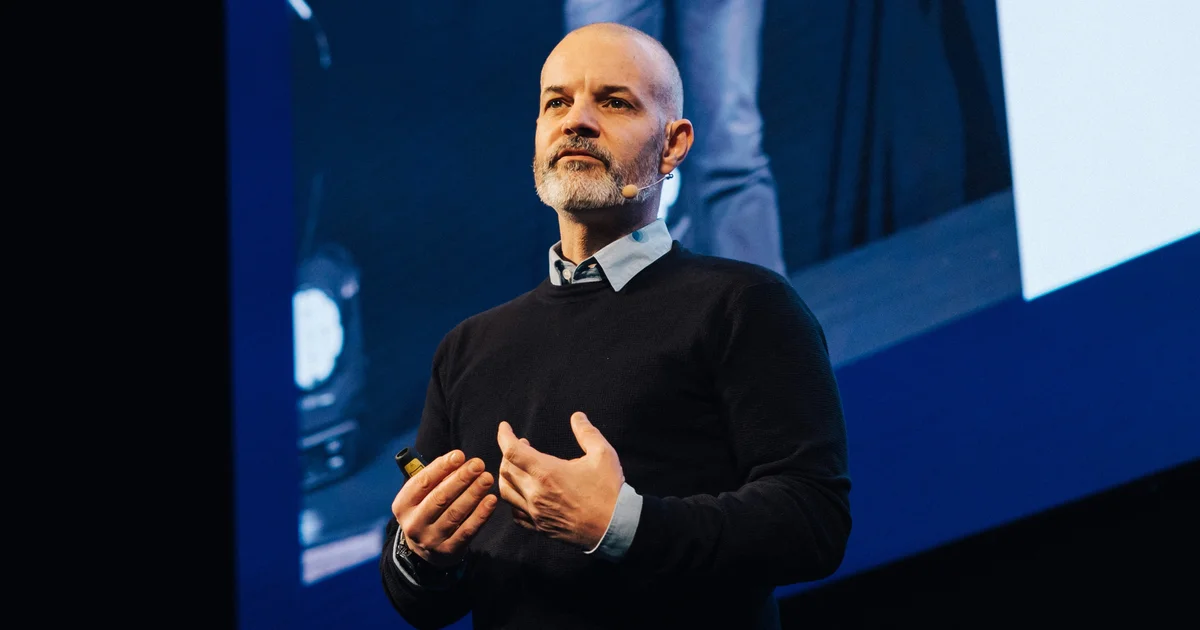
Google Cloud’s Jack Buser argues that AI can fix the games industry’s unsustainable economics by cutting development time and costs, speeding up marketing and analytics, and enabling new gameplay—helping smaller studios compete and potentially reducing layoffs.
Joost van Dreunen discusses the evolving economics of the games industry, highlighting the importance of community and in-person experiences in esports, the industry's maturation with stable revenue models, the need for better industry-education connections, and a cautious outlook on AI's role, emphasizing that consumers prefer high-quality, meaningful games over disposable AI-generated content.
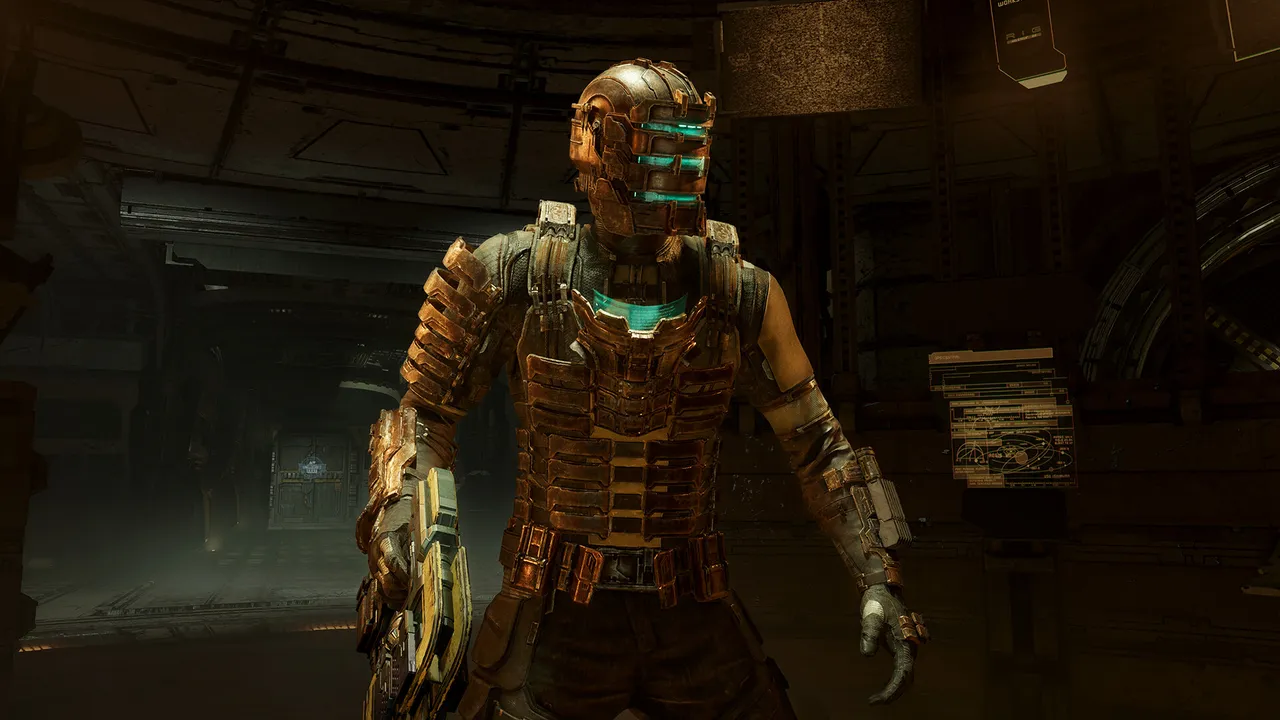
Glen Schofield criticizes the current state of the games industry, calling it 'broken' and suggests embracing AI to improve efficiency, increasing investment in quality development, and bringing back E3 to foster industry collaboration, emphasizing the importance of human creativity in game development.
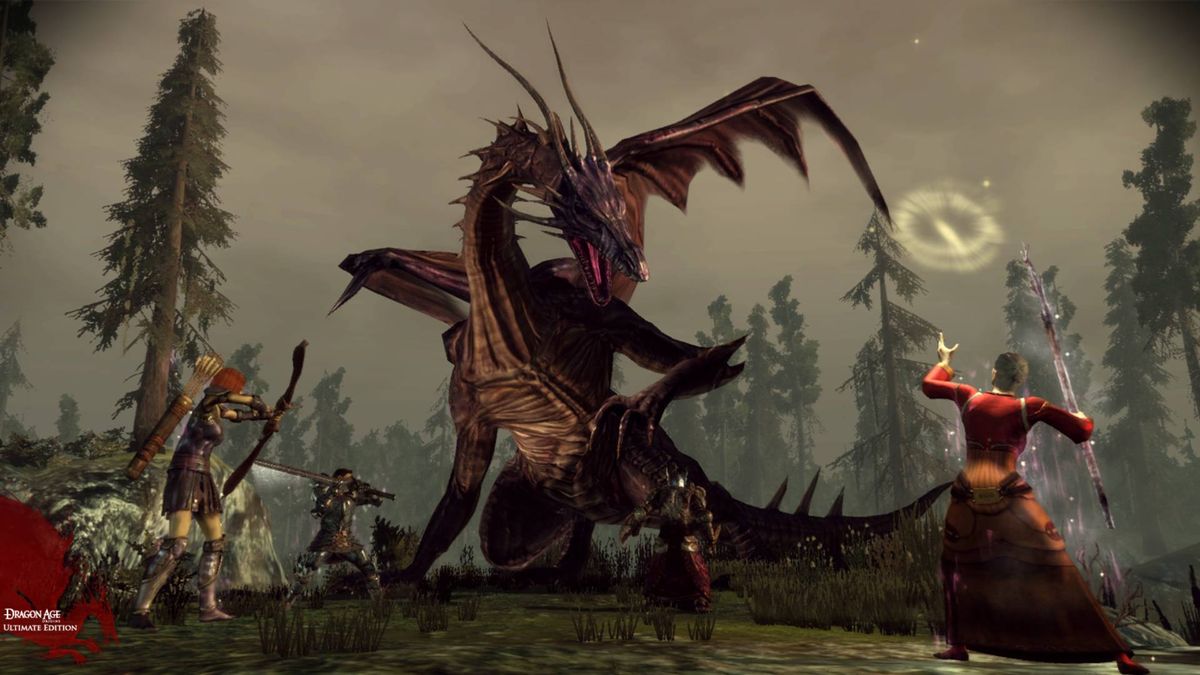
David Gaider, creator of Dragon Age's setting, criticizes the fear of crunch in the games industry, stating that if it's the only way to make games, "maybe the industry deserves to die." He advocates for a realistic work schedule at his studio, emphasizing that employees should not feel like "a resource to be tapped." Gaider believes that the industry's focus on photorealistic graphics and long playtimes does not necessitate overworking, and expresses concern over the recent layoffs in the industry.
The article introduces a new series exploring generative AI in the games industry, aiming to bridge the gap between extreme opinions on AI capabilities. It discusses the confusion surrounding AI terminology and proposes new words to describe generative AI systems, such as "online" versus "offline," "visible" versus "invisible," and "heavy" versus "light." The author emphasizes that generative AI's impact on the games industry varies and predicts that persistently useful AI will likely be offline, invisible, and lighter, rather than the online, visible, and heavy systems currently in the spotlight.
The games industry is facing layoffs and consolidation, with 2024 expected to be a challenging year despite modest revenue growth. Traditional pure-play game companies will struggle to compete as tech majors and non-pure-play entertainment companies enter the market. Microsoft's recent layoffs, including those from the Activision acquisition, are in line with industry trends. Despite the tough climate, successful games like Palworld demonstrate that addressing consumer preferences can lead to success in the industry.
Despite the challenges faced in 2023, the games industry is looking forward to a more positive 2024. Industry professionals express optimism about the emergence of new technological advancements, such as AI, which can enhance game creation processes. The release of highly-anticipated games and the growth of multiplayer experiences are expected to drive excitement. Additionally, there is a focus on diversity and inclusivity, with efforts to address skills shortages and under-representation of women in the industry. Economic factors, such as reduced interest rates and increased investment, are also expected to benefit the industry. However, some predict more layoffs and closures in the coming year, while others hope for a return to normalcy after a challenging period.
Hasbro, the parent company of Wizards of the Coast, the company responsible for Dungeons & Dragons and Magic: The Gathering, is laying off 1,100 employees, citing the need to keep the company healthy. The layoffs come as part of cost-cutting measures and follow previous layoffs earlier this year. The games industry has seen a significant number of layoffs in 2023, affecting various companies including Amazon Games, Ubisoft, Bungie, and Naughty Dog.
Nintendo of America boss Doug Bowser stated that the reason the company does not have unions is due to the high job satisfaction and engagement of its workers. Bowser emphasized the company's focus on creating an inclusive culture with work-life balance and a mission of bringing smiles to faces. While acknowledging the right to form a union, Bowser stated that Nintendo is currently focused on creating the best work culture and environment possible. Despite these claims, allegations of interference with unionization efforts have been made against Nintendo in the past, and reports from last year suggested that contract workers at the company were treated differently compared to full-time employees.
Former PlayStation boss Shawn Layden warns that non-endemic companies like Google and Amazon pose a significant threat to the games industry. He believes that consolidation, rising costs, and the entry of non-endemics into the sector are major challenges. Layden hopes that the gaming industry can disrupt itself before external companies like Google and Amazon completely transform the landscape. He emphasizes the importance of recognizing and preparing for changes in the industry. Layden also highlights the need for a deep understanding of the entertainment business, as demonstrated by Sony's successful entry into gaming.