Enzymatic Engineering Yields Safer, More Potent Polyene Antifungals
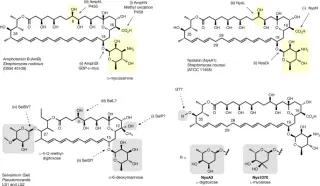
Researchers at Imperial College London and the University of Manchester have developed a new class of polyene antifungal drugs using enzymatic methods. By modifying the structure of nystatin, they created derivatives that are more potent and less toxic than current standards like amphotericin B. The lead candidate, Nys34, showed significant efficacy in mouse models of invasive aspergillosis with reduced toxicity in human cell lines. This approach offers a scalable, cost-effective alternative to traditional chemical synthesis, potentially addressing the global crisis of fungal drug resistance.