Tag

Glacier Dynamics

All articles tagged with #glacier dynamics

Polar Ice Sheets Shed 11.3 Trillion Tons Since 1979, Driven by Faster Glaciers
climate-and-environment2 months ago

Polar Ice Sheets Shed 11.3 Trillion Tons Since 1979, Driven by Faster Glaciers

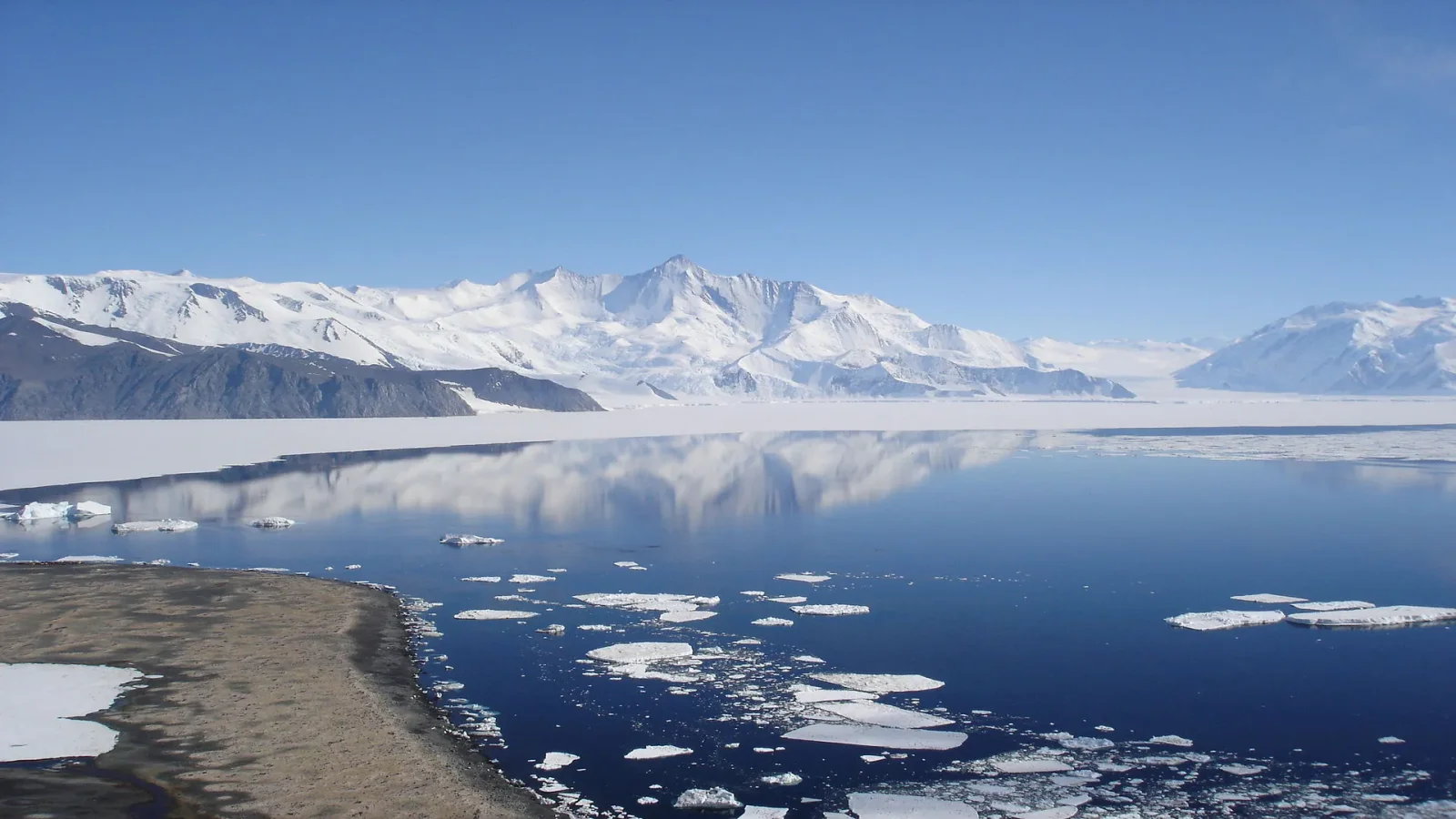
A new study reveals that Greenland and Antarctica have lost 11.3 trillion tonnes of ice since the late 1970s, contributing 3.14 centimeters to global sea-level rise. The research highlights that 84% of this loss is driven by glaciers flowing faster into the ocean, rather than surface melting. While a temporary slowdown occurred between 2020 and 2023 due to weather variations, the long-term trend of accelerating ice loss continues, posing significant risks to coastal communities.
Glacier-edge lakes accelerate Greenland ice loss, study finds
environment7 months ago

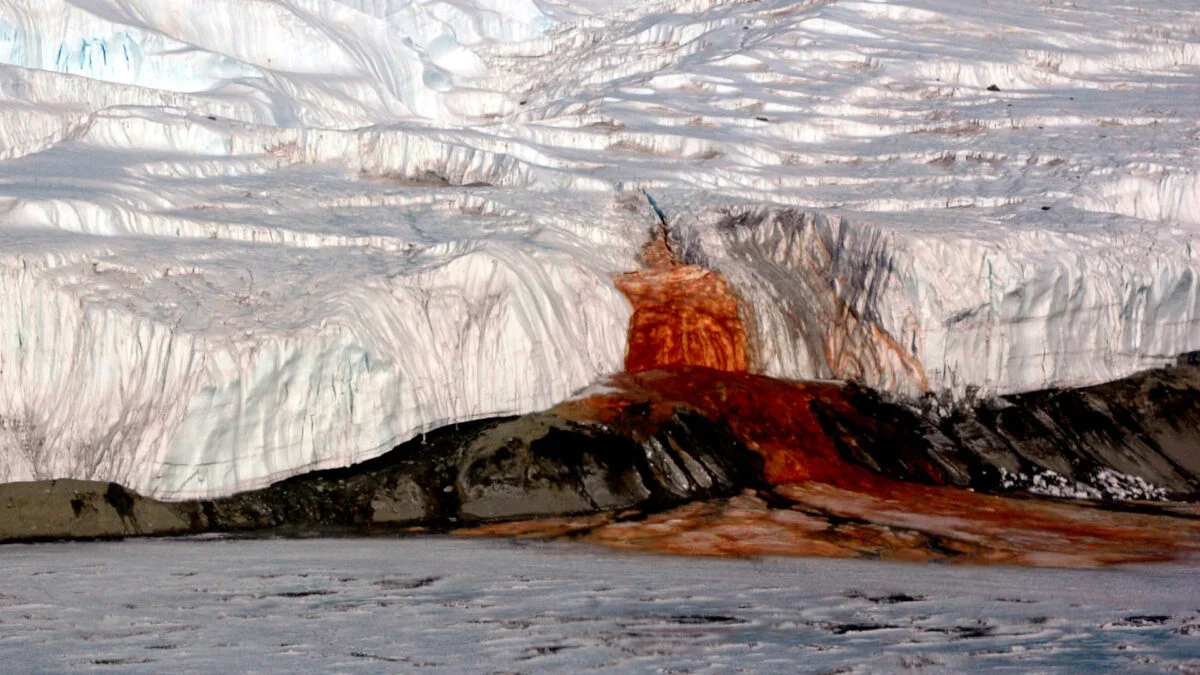
Glacier-edge lakes accelerate Greenland ice loss, study finds

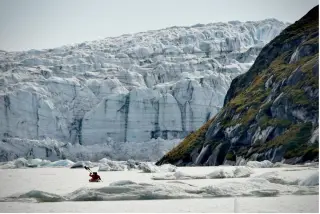
A new satellite-based study from the University of Leeds shows meltwater lakes forming at the ends of retreating Greenland glaciers (ice-marginal lakes, IMLs) actively speed up ice loss by lifting glacier fronts, reducing friction, and increasing calving, with fronts up to about three times faster and effects measurable up to 3.5 km inland. The finding implies current ice-sheet models should include IMLs to better project Greenland’s contribution to future sea level rise, alongside ongoing warming that already drives about 0.8 mm/year of sea-level rise and substantial ice loss.

"Exploring Antarctica's Subglacial World Through City-Sized Ice Shelf Holes"
science2 years ago

"Exploring Antarctica's Subglacial World Through City-Sized Ice Shelf Holes"

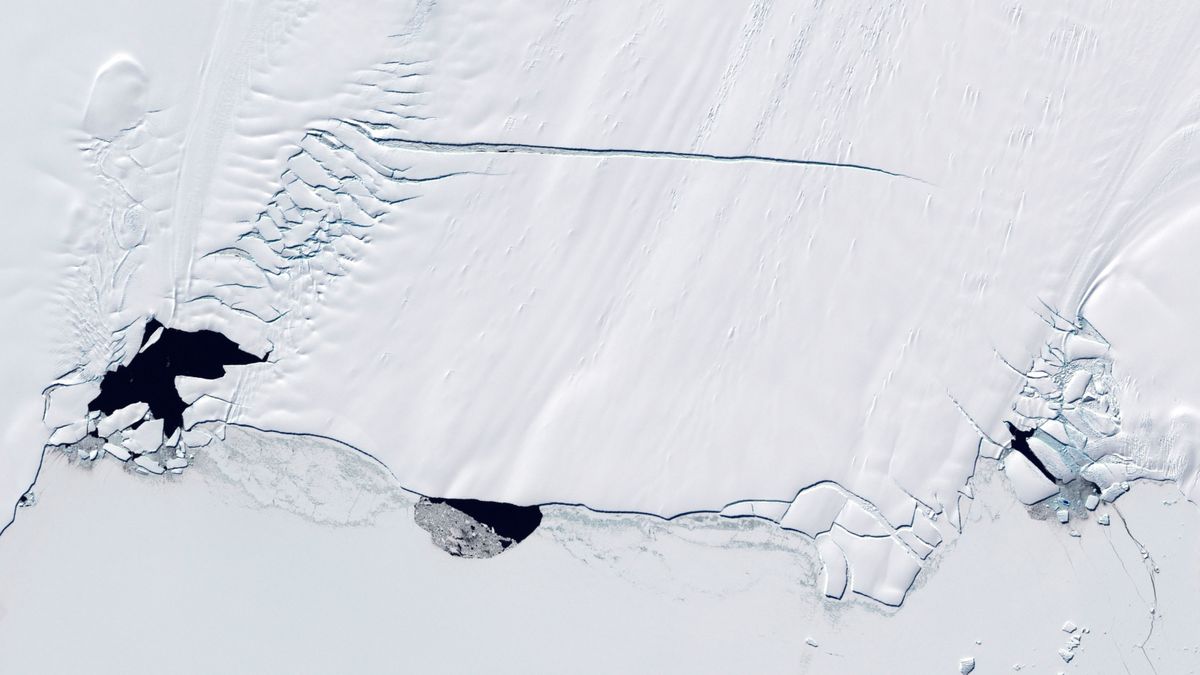
Enormous city-sized holes on Antarctica's ice shelves may be linked to the formation of giant icebergs, offering a glimpse into the continent's melting process. A study focused on polynyas, large open ocean areas in the ice shelf, near the vulnerable Pine Island Glacier, using satellite data to track their changes over 22 years. The researchers found that polynyas are indicators of melting and may influence the structural integrity of the ice shelf, potentially contributing to calving. This research provides valuable insights into the complex dynamics of Antarctica's ice shelves and their response to climate change.