Exercise Fuels a Brain-Protection Pathway That Fights Alzheimer’s (Mouse Study)
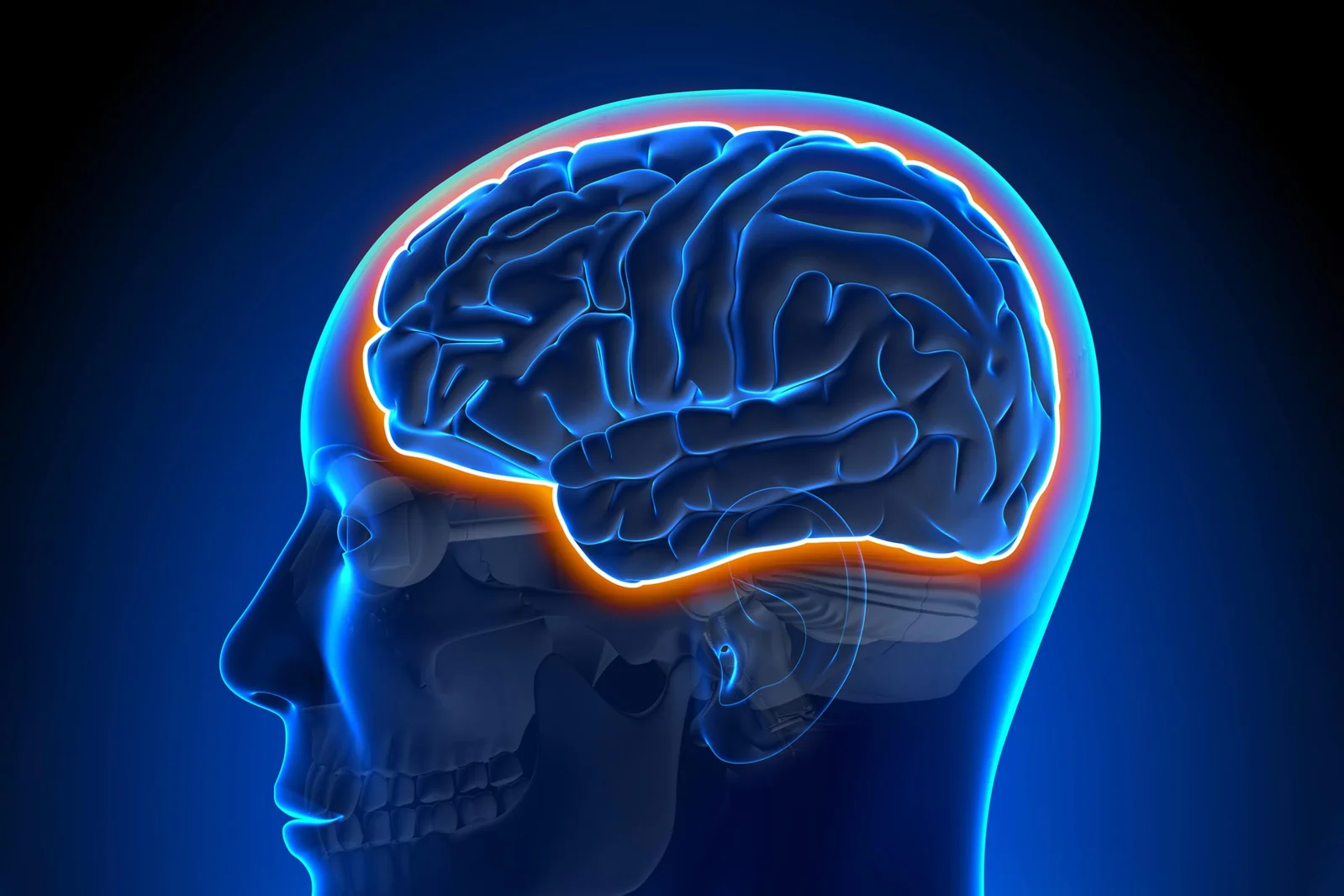
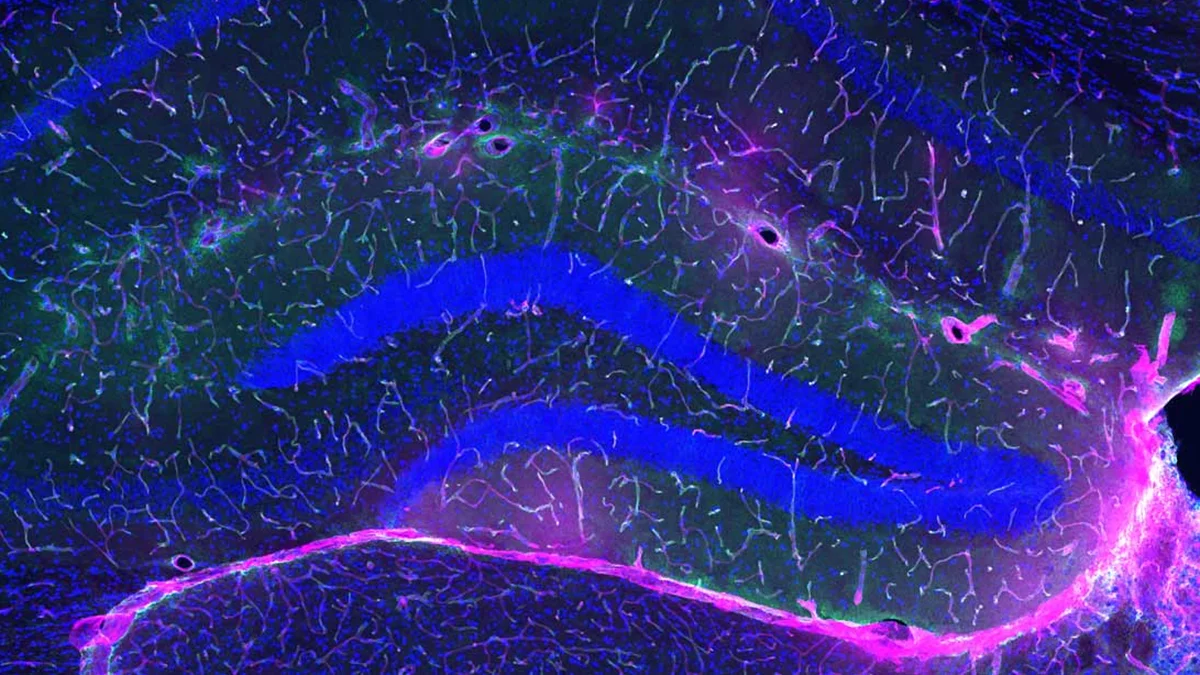
A UCSF study in mice shows exercise increases GPLD1 in the blood, which helps prune TNAP in brain blood vessels, strengthening the blood-brain barrier, reducing inflammation, and lowering amyloid beta clumps associated with Alzheimer's. The findings suggest a body-brain mechanism behind exercise’s cognitive benefits and point to potential therapies that mimic GPLD1, though human relevance remains to be confirmed.