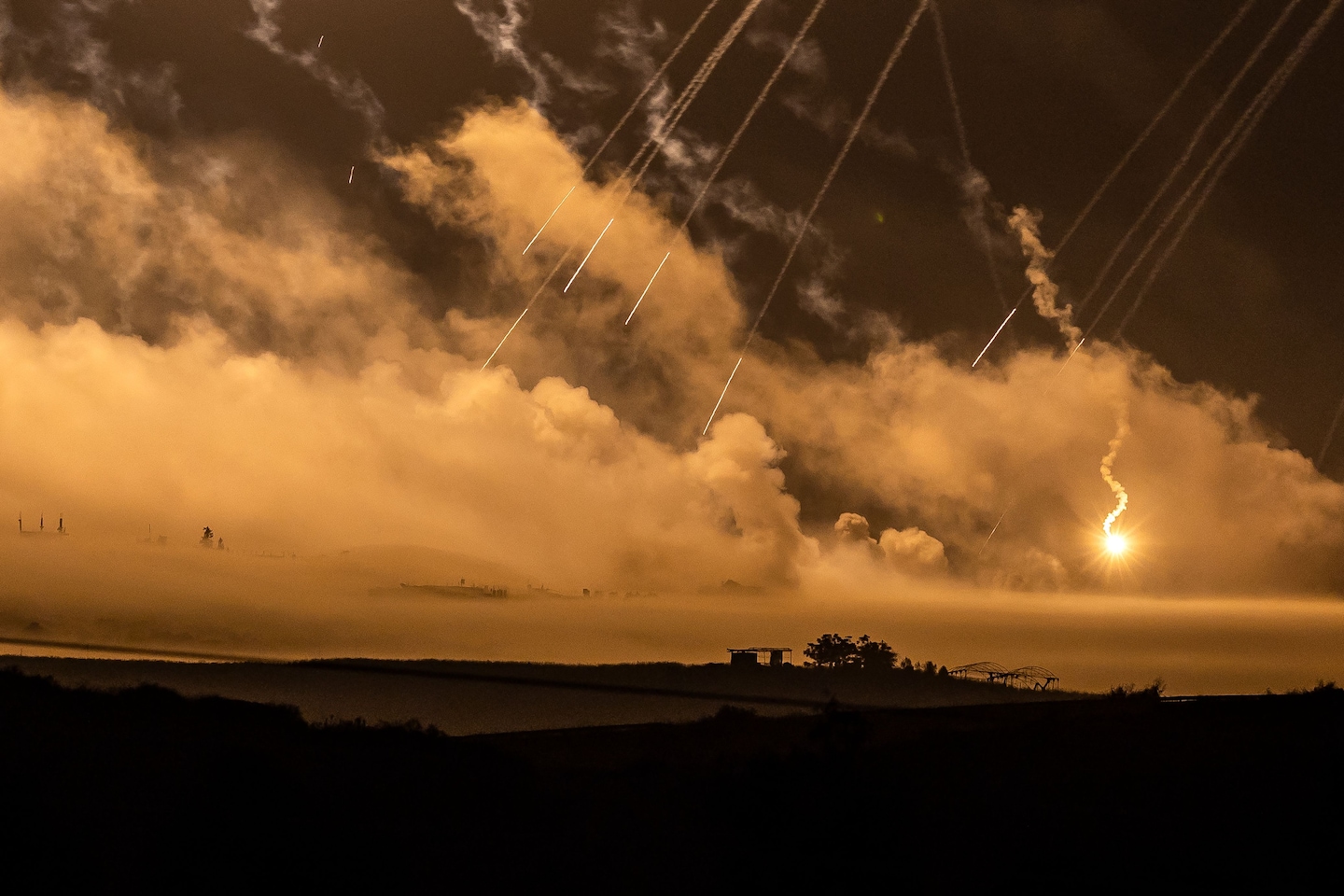
US officials say the Trump administration is planning to widen the war in Iran, potentially involving ground forces, as the U.S. escalates bombing in the region; analysts warn the administration may lack the capacity to sustain a broader campaign, while there is debate over congressional authorization and casualties continue to mount.
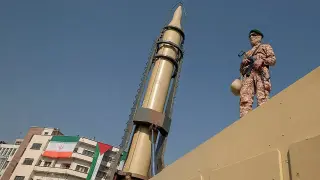
Fox News reports Iranian-American analyst Seyed Mohammad Marandi, described as a regime mouthpiece, claiming Tehran has deployed a new missile and buried its arsenal underground to withstand sustained U.S. air attacks, while asserting Iran would welcome a ground invasion. The piece ties the claim to renewed U.S.-Iran strikes, ongoing regional hostilities, and the collapse of a recently signed 60-day ceasefire memorandum aimed at nuclear talks, with fighting centering on the Strait of Hormuz and attacks on U.S.-linked facilities in the region.
Iran’s speaker warns of a possible U.S. ground invasion while signaling talks, in a conflict that has killed thousands and disrupted global energy supplies; the briefing also notes Trump’s hints at easing Cuba’s oil blockade and a raft of other headlines from protests to culture and science.
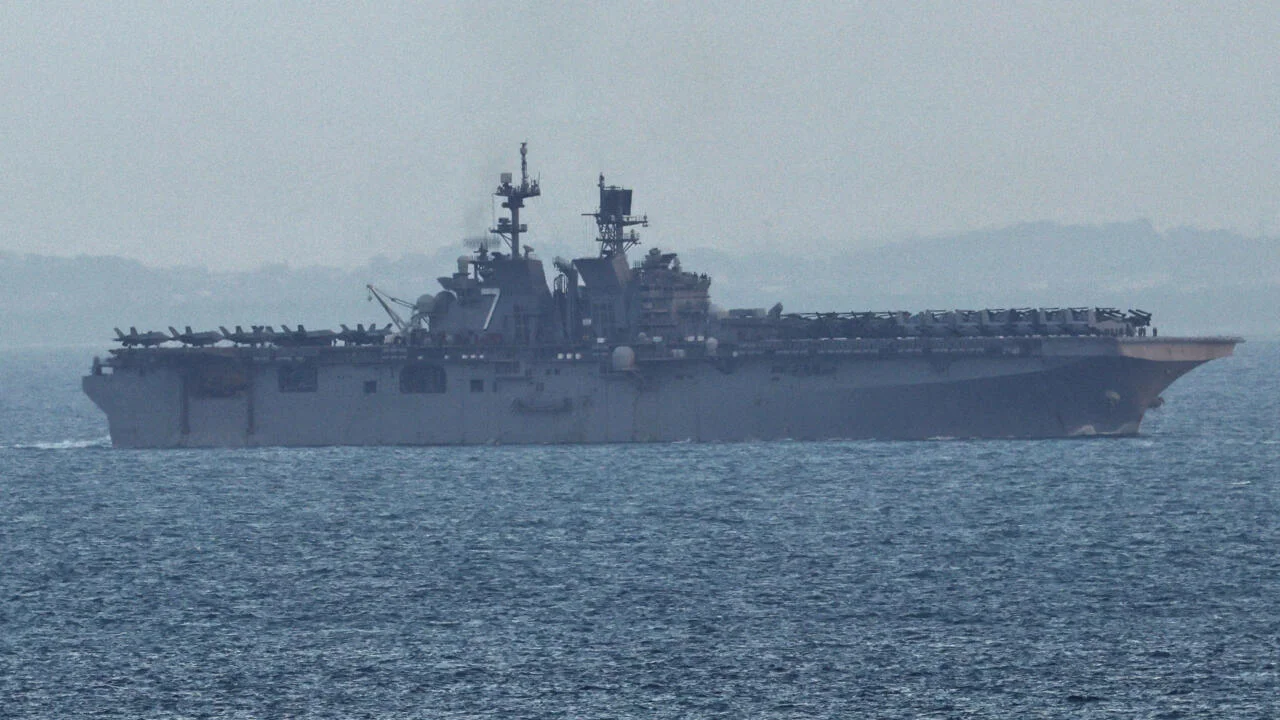
As the US-Israel-led campaign against Iran escalates, Trump says a deal with Tehran could be reached soon and asserts regime change has occurred, while Iran warns against a US ground invasion. Orthodox regional strikes continue, electricity outages hit Tehran, and casualties rise in Lebanon as the US marshals assets like the USS Tripoli and weighs ground operations, with Pakistan seeking to broker talks and Israel expanding actions in Lebanon.
Amid the Middle East war's second month, Iran accuses the United States of secretly planning a ground invasion even as officials talk about diplomacy; US Marines have arrived in the region and planning for weeks of ground operations reportedly continues, while Iran and its allies broaden attacks on shipping and Gulf targets. The day also saw Israeli strikes that killed civilians and journalists in Lebanon, damage to a Tehran media office, and international calls for restraint and reparations as the conflict widens with Houthi involvement and other regional attacks.
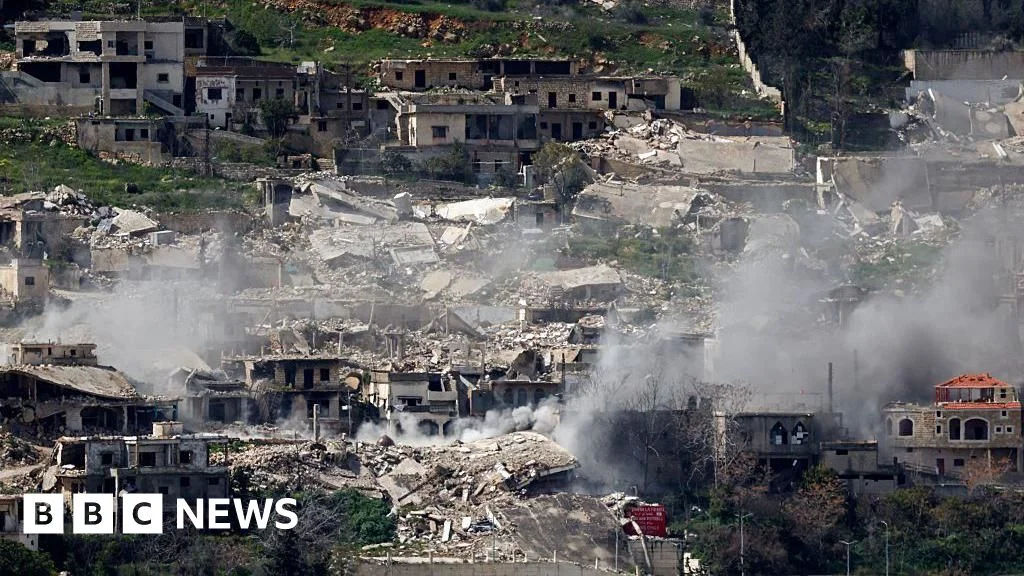
Israeli ground forces have pushed deeper into southern Lebanon to seize strategic hilltops and disarm Hezbollah, signaling a major border operation amid a heavy military build-up. Israel has warned it could move toward the Litani River if ordered, while Hezbollah rockets and drones strike northern Israel as hundreds of thousands of Lebanese flee in evacuation orders.
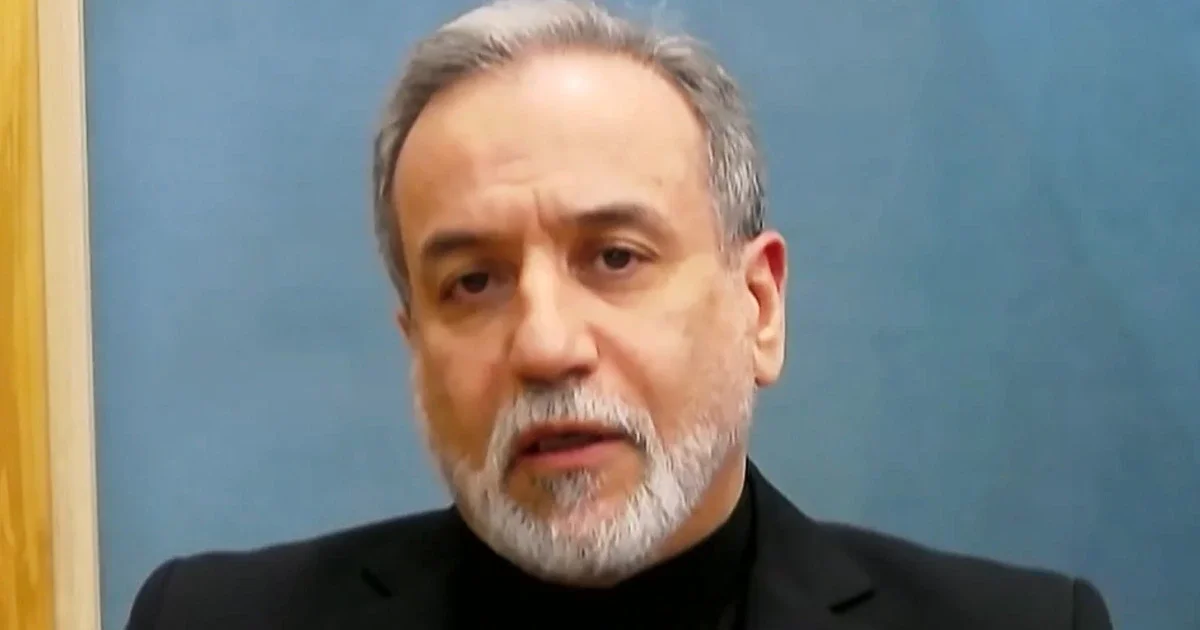
Iranian Foreign Minister Abbas Araghchi said Tehran is ready to counter a possible U.S. ground invasion, rejected a ceasefire and any renewed talks with Washington, as U.S.-Israeli strikes persist, with the piece also noting leadership succession rumors following Ayatollah Khamenei's death.
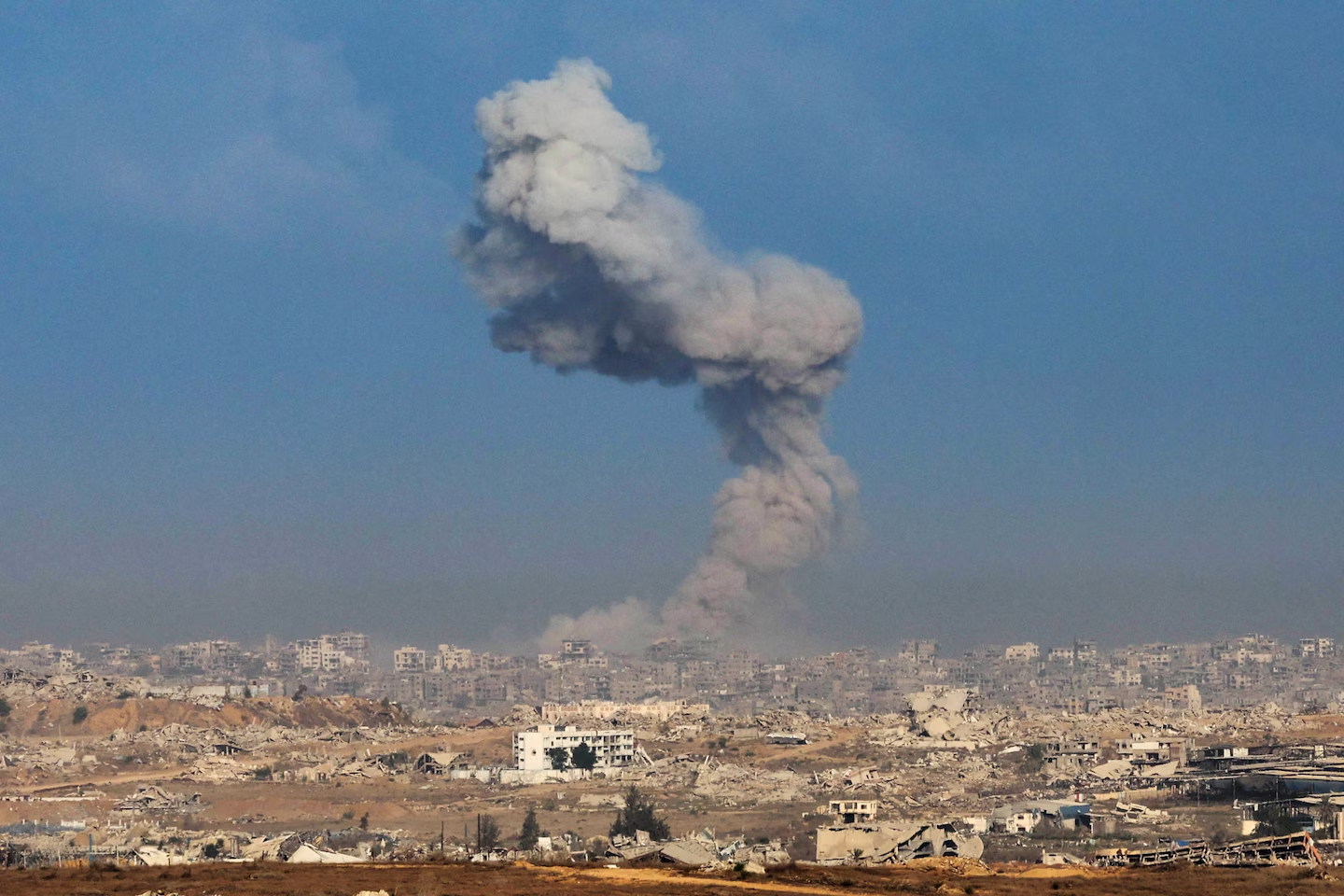
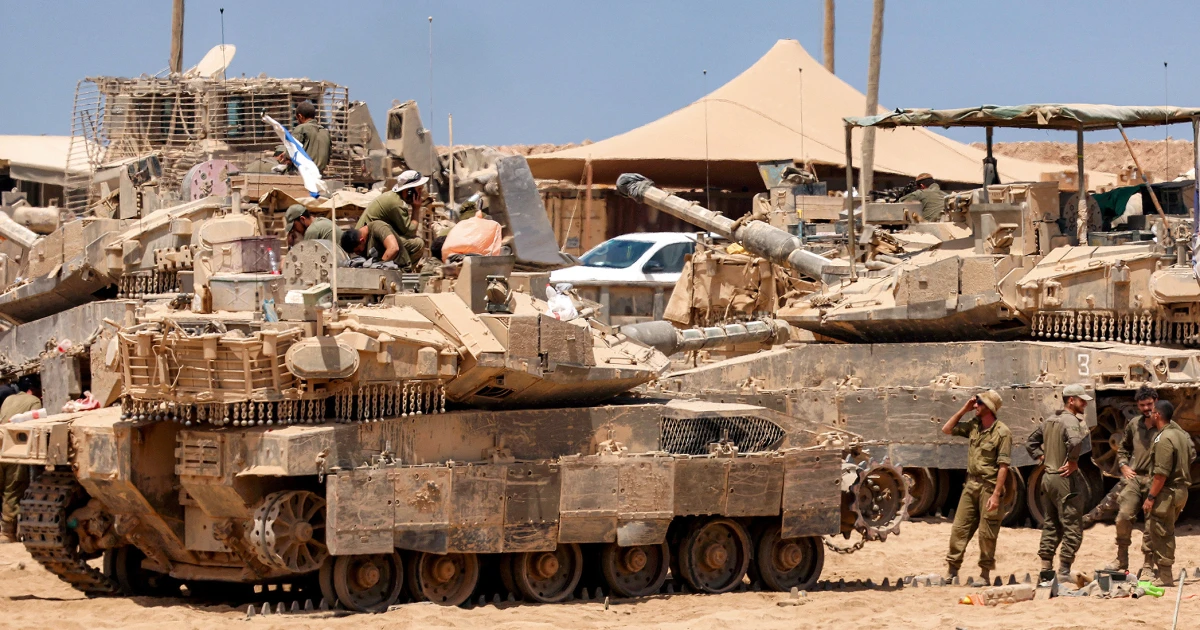
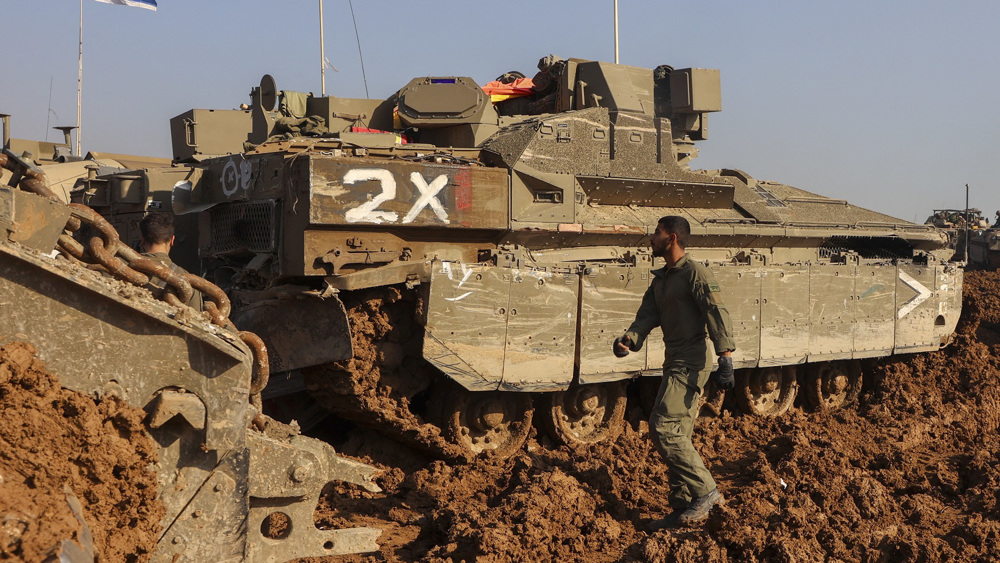
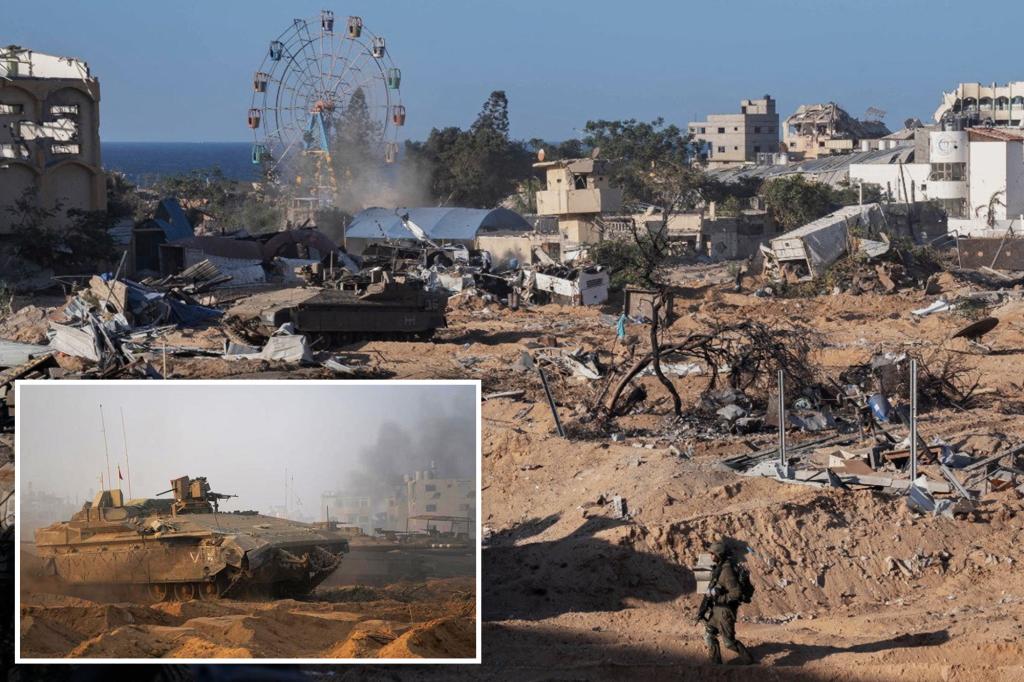
Israeli troops have entered the second day of their ground invasion of Gaza City, with many residents fleeing amid widespread network disruptions causing a communications blackout.
Commercial satellite images indicate Israel is preparing for a possible ground invasion of Gaza, with troop movements near the border, amid ongoing tensions and discussions about military and humanitarian strategies. Israeli Prime Minister Netanyahu has expressed intentions to take control of Gaza to remove Hamas, while recent US-Israel relations have been tense, involving debates over humanitarian aid and the potential for a broader military operation. The situation remains complex, with international pressure and the risk of escalation.
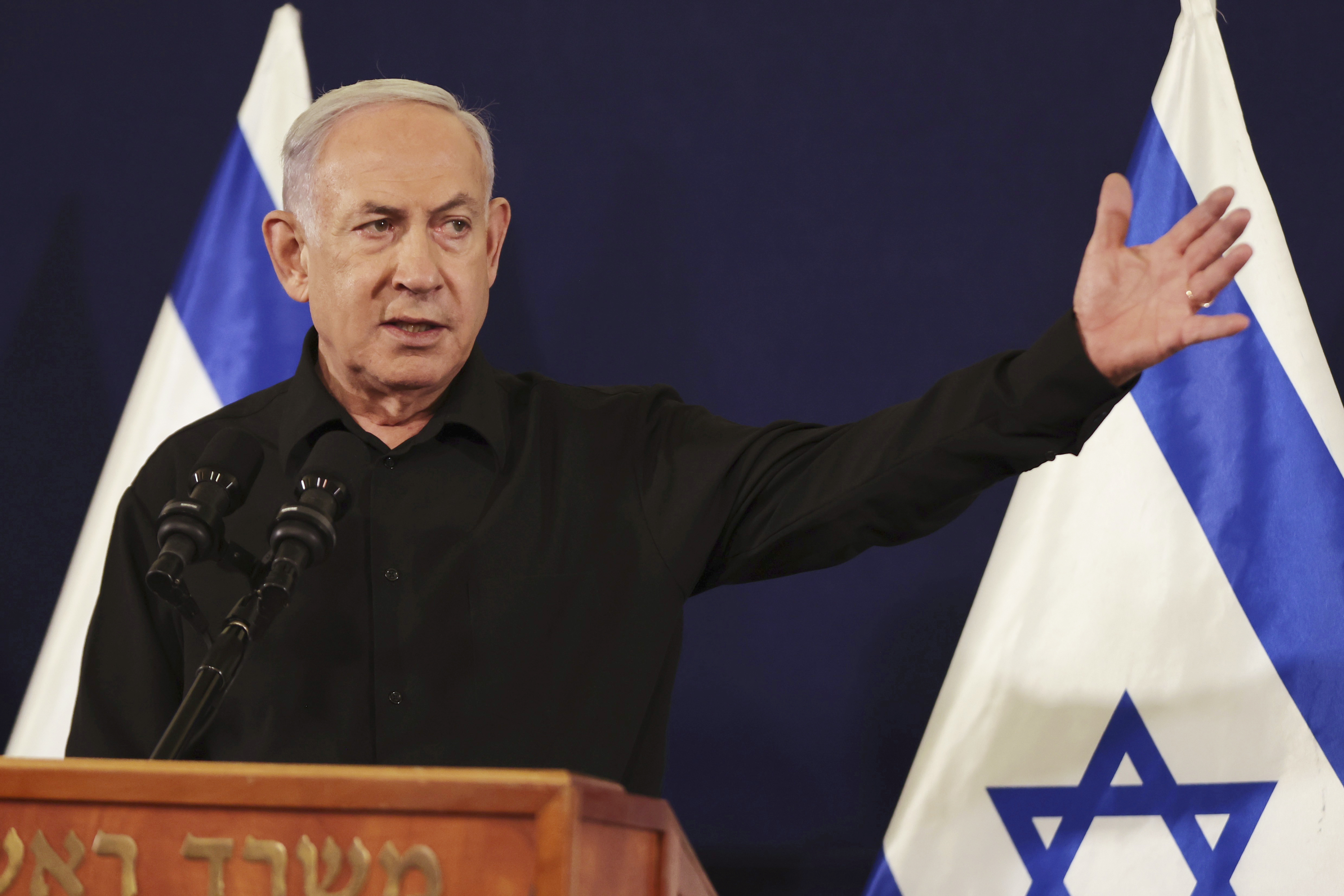
Israeli Prime Minister Benjamin Netanyahu stated that Israel will not yield to international pressure to cancel its plan for a ground invasion of Rafah, the southernmost city in Gaza, where over a million Palestinians seek refuge from the ongoing war. The city has been heavily bombarded, leaving many displaced and struggling to find food and water. Meanwhile, thousands of anti-government protesters in Tel Aviv called for an immediate election, expressing discontent with the government's handling of the situation.
Israel's Prime Minister Benjamin Netanyahu announced plans for a ground invasion of Rafah, where over 1.3 million Palestinians, mostly refugees, are sheltering, following recent deadly bombardments. The assault has raised concerns about the safety and well-being of the civilian population, prompting discussions on the history of Palestine and the future prospects for the region.
Hamas has turned the streets of Gaza into a "deadly maze" for Israeli troops due to its knowledge of the terrain and extensive tunnel network. The Israeli military's death toll is already almost double that of the 2014 ground offensive, with 110 soldiers killed since the start of the invasion in late October. Hamas fighters are taking advantage of their familiarity with the land and frequently ambushing Israeli forces. The expanded scope of the operation has resulted in higher troop casualties, and the Israeli military has yet to find a solution for the tunnels.
Israeli Prime Minister Benjamin Netanyahu hinted that a possible deal to free Israeli hostages trapped in Gaza could be facilitated by Israel's ground offensive in the region. While declining to confirm details, Netanyahu acknowledged that talks were taking place with the involvement of Qatar, Egypt, and the U.S. Israeli President Isaac Herzog also confirmed behind-the-scenes negotiations but stated that nothing substantial was currently on the table. Israel's ground invasion into Gaza followed a Hamas-led attack that resulted in Israeli casualties and hostages. The conflict has led to a significant number of civilian casualties, with Israel facing international scrutiny. Netanyahu emphasized that Israel intends to destroy Hamas' military and governance capabilities while minimizing civilian casualties. Calls for a ceasefire have been met with resistance, as Hamas is seen as unwilling to abide by one and is perceived as seeking the eradication of Israel.
The Israeli army has entered the "heart of Gaza" and trapped Yahya Sinwar, the senior-most leader of Hamas, in an underground bunker. Israeli Defense Forces (IDF) soldiers are determined to destroy the bunker and any infrastructure operated by the terrorists. Israeli Prime Minister Benjamin Netanyahu claimed that thousands of terrorists have been killed in the Gaza Strip, and the IDF is progressing with a force that Hamas has never known. Israel has vowed to wipe out Hamas, and the operation will continue until Hamas is gone.
U.S. Secretary of State Antony Blinken is set to urge Israel to implement "humanitarian pauses" in Gaza, while Israel's raids have escalated into a full-fledged ground invasion with troops engaging in "face-to-face" combat with Hamas militants. Hezbollah leader Hasan Nasrallah's upcoming speech may shed light on whether the group will escalate its attacks on Israel.