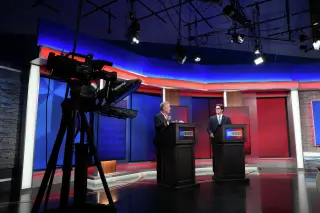
In the first televised debate for Connecticut governor, incumbent Ned Lamont and challenger Ryan Fazio clashed over the state’s cost of living, with Fazio accusing Lamont of raising taxes while Lamont cited fiscal stability and external economic pressures.
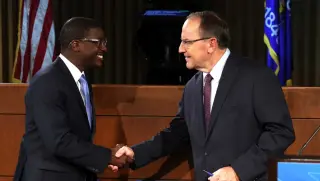
David Crowley and Tom Tiffany held their only debate before the Nov. 3 election, debating taxes, abortion, and immigration. Crowley advocated for using the state surplus for public services, while Tiffany proposed returning it via tax cuts. The race remains statistically tied, with Crowley leading by 3 percentage points.
Oregon’s gubernatorial race is effectively a toss-up, with new polling showing a statistical tie between incumbent Tina Kotek and challenger Christine Drazan. The candidates recently faced off in a contentious debate in Eugene, focusing on economic costs and federal policy. While Kotek leads in fundraising, Drazan has solidified her base, leaving the outcome uncertain with only weeks left before the election.
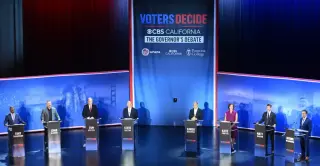
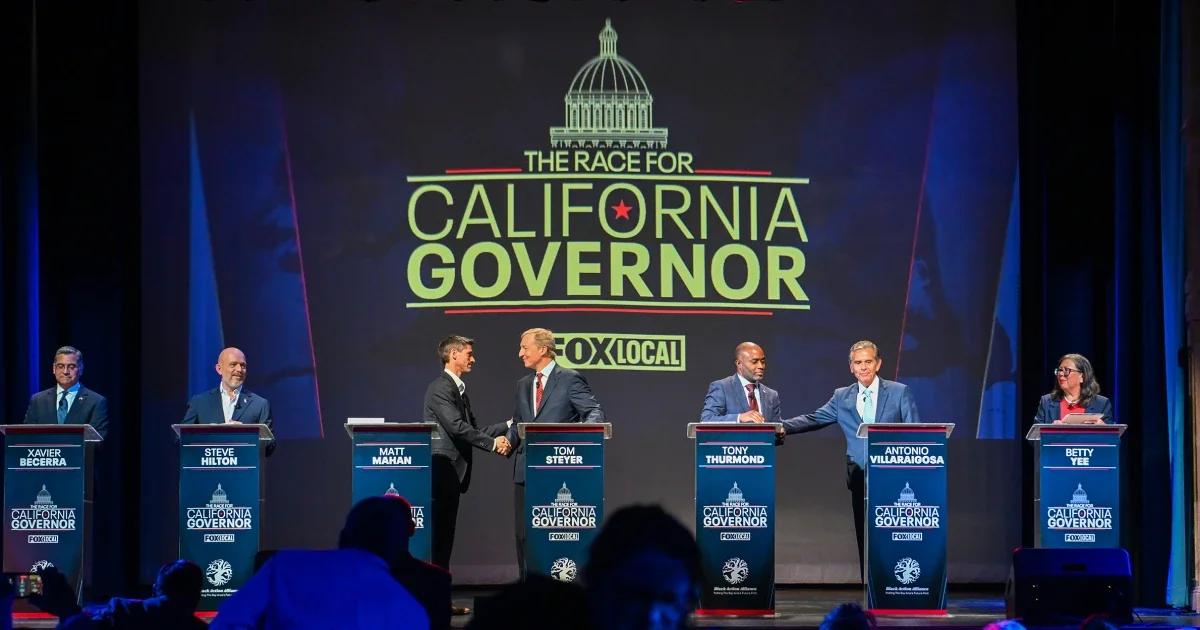
A 90-minute CBS televised debate on May 14 will feature Republican candidates Chad Bianco and Steve Hilton and Democratic contenders Xavier Becerra, Matt Mahan, Katie Porter, Tom Steyer, and Antonio Villaraigosa (with Tony Thurmond invited but not yet confirmed). The program runs 5:30–7:00 p.m. (5:00 p.m. pre-show) and will be broadcast on CBS stations and streamed on the networks’ digital platforms as undecided voters hear candidates address housing, affordability, public safety, climate, education and healthcare ahead of the June 2 primary.
The sixth and final California governor debate produced no decisive momentum: polls show no candidate breaking into a clear lead, and analysts say the field remains wide open with Becerra the main target of attacks, Steyer and Hilton as the other viable contenders, Porter delivering a clearer policy voice but too late to shift the race, and Mahan/Bianco largely underwhelming. The exchange underscored a nostalgic, recycled campaign tone and left Californians with limited clarity about a path forward, making consultants the likely winners and voters the losers.
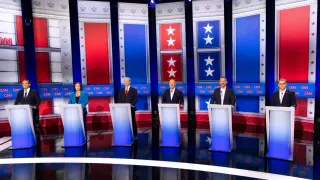
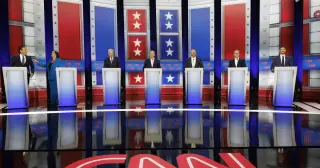
Seven candidates in a CNN-televised California governor debate pressed sharp divides over why gas prices are high, how to tackle taxes, and immigration, with mail voting underway ahead of the June 2 primary; Democrats blamed national factors and GOP messaging for living-cost pressures, while Republicans touted possible relief, leaving the crowded field without a clear frontrunner as California grapples with homelessness, wildfires and housing costs.
Seven California governor candidates faced CNN in Monterey Park, trading sharp lines on housing affordability, energy, AI, healthcare, and immigration. Xavier Becerra touted his experience and readiness to fight the Trump administration, Antonio Villaraigosa pressed for reform, Steve Hilton attacked Democratic policies, Tom Steyer pushed tax reforms and anti‑corporate stands, and Chad Bianco defended his law‑enforcement record while keeping questions about his Oath Keepers ties in play. The lively debate highlighted policy divides as mail ballots arrive and the field narrows in the race.
Live CNN updates cover a heated California gubernatorial debate among seven candidates and key primary results in Indiana, Ohio and Michigan: Trump-backed challengers win several Indiana GOP races, Ohio projects Vivek Ramaswamy as the GOP governor nominee with Amy Acton unopposed on the Democratic side, and Michigan Democrat Chedrick Greene secures a special Senate election to maintain party control. The coverage also highlights fierce policy clashes on housing, healthcare (including Medicare-for-all questions), immigration, and other hot-button issues, along with debates over high-speed rail funding and related reforms.
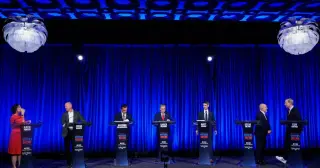
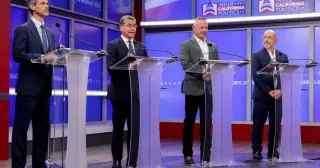
Six candidates—two Republicans and four Democrats—debated in San Francisco ahead of California’s June primary, trading sharp lines on wealth, experience and race. Tom Steyer faced attacks over his wealth and investments in private prisons and fossil fuels but defended his philanthropy and plans to tax polluters; Xavier Becerra emphasized his long record while Katie Porter pressed for concrete housing funding details. Matt Mahan framed the race as reform-minded, while the two Republicans, Chad Bianco and Steve Hilton, avoided broad clashes but tangled over race and policing. The 90‑minute forum was the first televised gubernatorial debate since Swalwell exited, occurring as ballots go out and a crowded field tests California’s top-two primary dynamics.)
In the first gubernatorial debate since Eric Swalwell’s campaign collapsed, six candidates — two Republicans and four Democrats — sparred over California’s urgent issues as the field remains wide open ahead of the June primary. The discussion centered on housing costs, homelessness, affordability, and the future of AI; Democrats largely backed Governor Newsom’s approach while Republicans blamed 16 years of Democratic governance. Notable moments included Steve Hilton embracing Trump’s endorsement, Katie Porter challenging Newsom’s homelessness record, and Matt Mahan touting Silicon Valley tech insight. The jungle primary format keeps the race unpredictable and raises the specter of two Republicans advancing to November in a state that leans Democratic.
In the first California gubernatorial debate since Eric Swalwell’s exit amid misconduct allegations, four Democrats and two Republicans sparred over homelessness, taxes, and leadership. Republicans Steve Hilton and Chad Bianco pressed against Newsom-era policies, while Democrats Katie Porter, Matt Mahan, Xavier Becerra, and Tom Steyer defended the incumbent framework and argued for or against infrastructure funding. Swalwell’s departure adds uncertainty to a June top-two primary, with ballots going out May 4 and CNN hosting another debate on May 5 as candidates vie to appeal to a broad electorate.
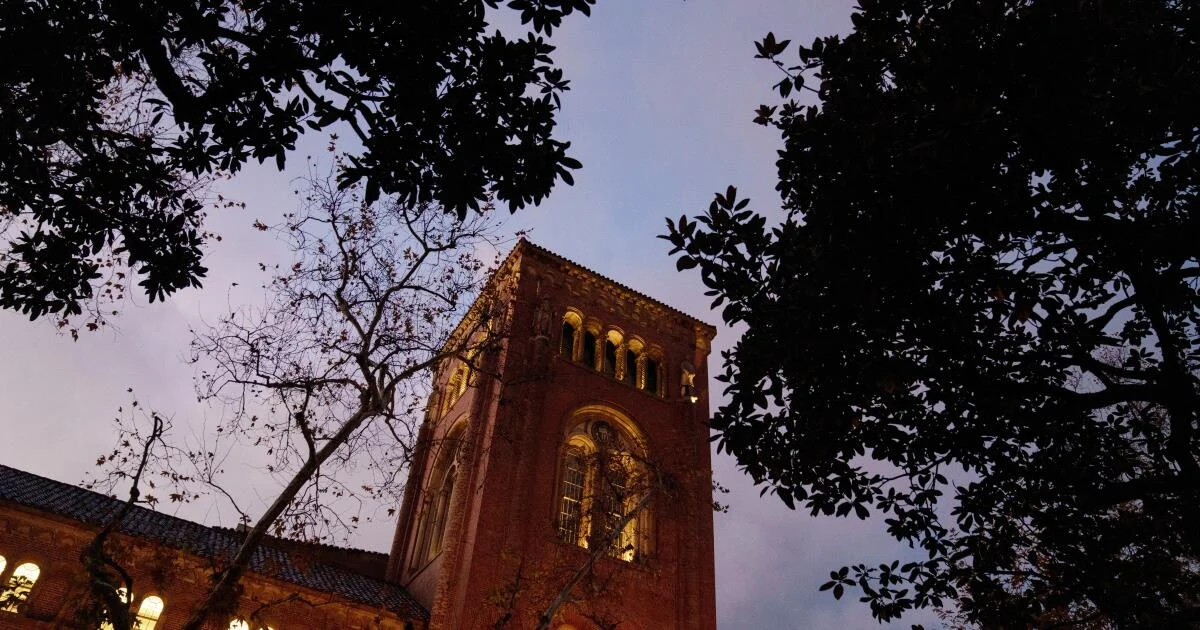
USC canceled its planned gubernatorial debate after backlash that its invitation criteria excluded all candidates of color; a last-minute KNBC-moderated alternative could not be assembled in time due to scheduling conflicts, leaving several candidates of color and Matt Mahan out and highlighting gatekeeping concerns ahead of California’s 2026 race.
A California gubernatorial debate co-sponsored by USC and KABC was canceled hours before it would begin after criticism that the qualifying criteria—based on polling and fundraising—excluded nonwhite candidates. USC defended the rules as research-based, while excluded campaigns denounced the process. The invited lineup—Porter, Steyer, Swalwell, Bianco, Hilton, and Mahan—was all white, prompting calls from excluded candidates’ camps for a fairer forum and plans for a separate event that never materialized as the USC-KABC debate was scrapped.
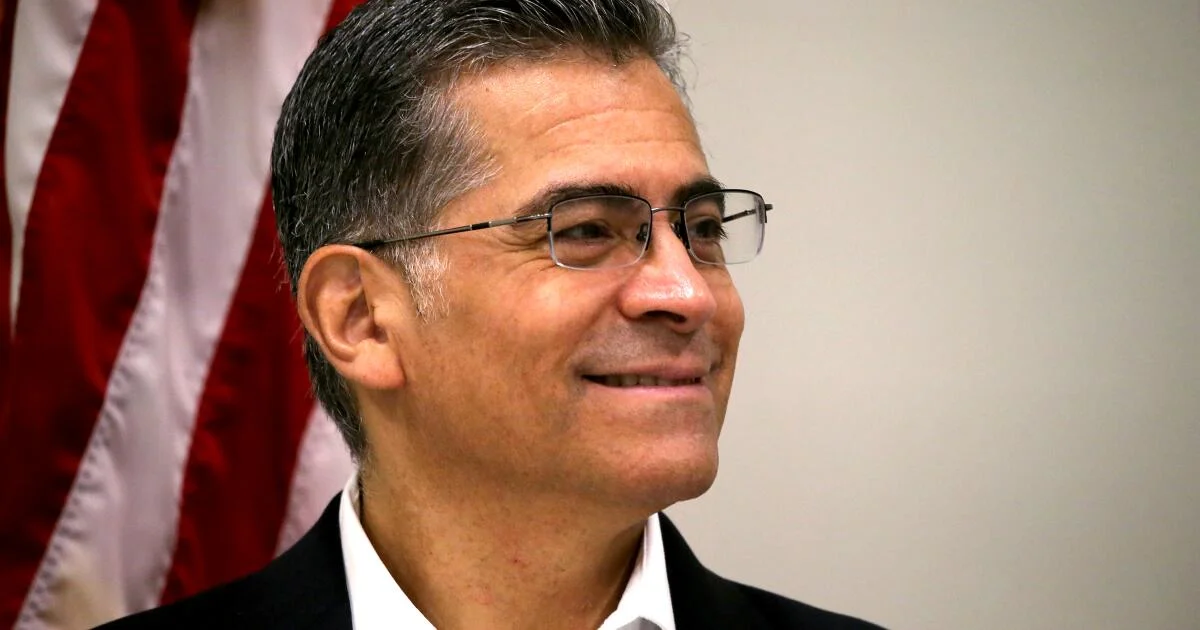
Democratic California gubernatorial candidate Xavier Becerra blasted USC and ABC for a March 24 debate that would exclude all candidates of color, calling the eligibility criteria biased; USC and the Center for the Political Future say the selection weighed polling and fundraising data, with six invitees including late entrant Matt Mahan, while Becerra and other excluded candidates condemn the process as discriminatory and unfair in a crowded race ahead of the June primary.
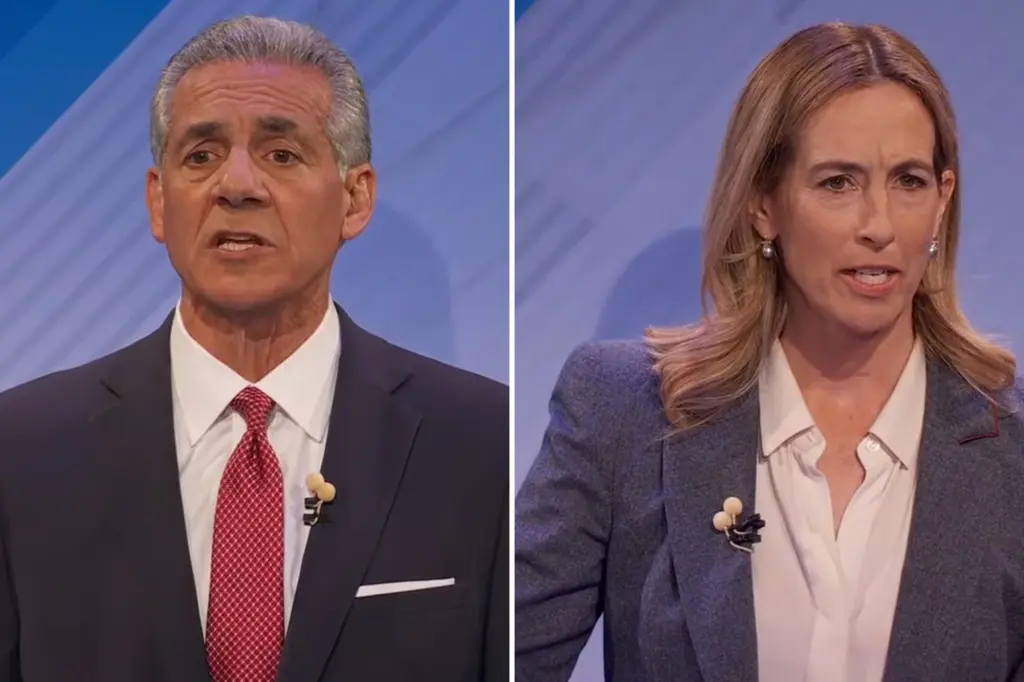
During the final New Jersey gubernatorial debate, candidates Jack Ciattarelli and Mikie Sherrill exchanged personal attacks on issues including the opioid crisis, energy policies, national politics, and Sherrill's disciplinary records, with the debate becoming notably contentious as the race tightens.