Tag

Harmful Algal Blooms

All articles tagged with #harmful algal blooms

NASA's Self-Learning AI Maps Harmful Algae from Space
science7 days ago

NASA's Self-Learning AI Maps Harmful Algae from Space

NASA researchers developed a self-supervised AI that fuses data from multiple satellites (including PACE and TROPOMI) to detect and map harmful algal blooms such as Karenia brevis and Pseudo-nitzschia, across Gulf Coast and West Coast waters. The tool helps guide where to sample and warn communities, with plans to expand to additional coastlines and lakes and to make the technology accessible to decision-makers.

Scientists Discover 230 New Giant Viruses Impacting Ocean Ecosystems
science11 months ago

Scientists Discover 230 New Giant Viruses Impacting Ocean Ecosystems

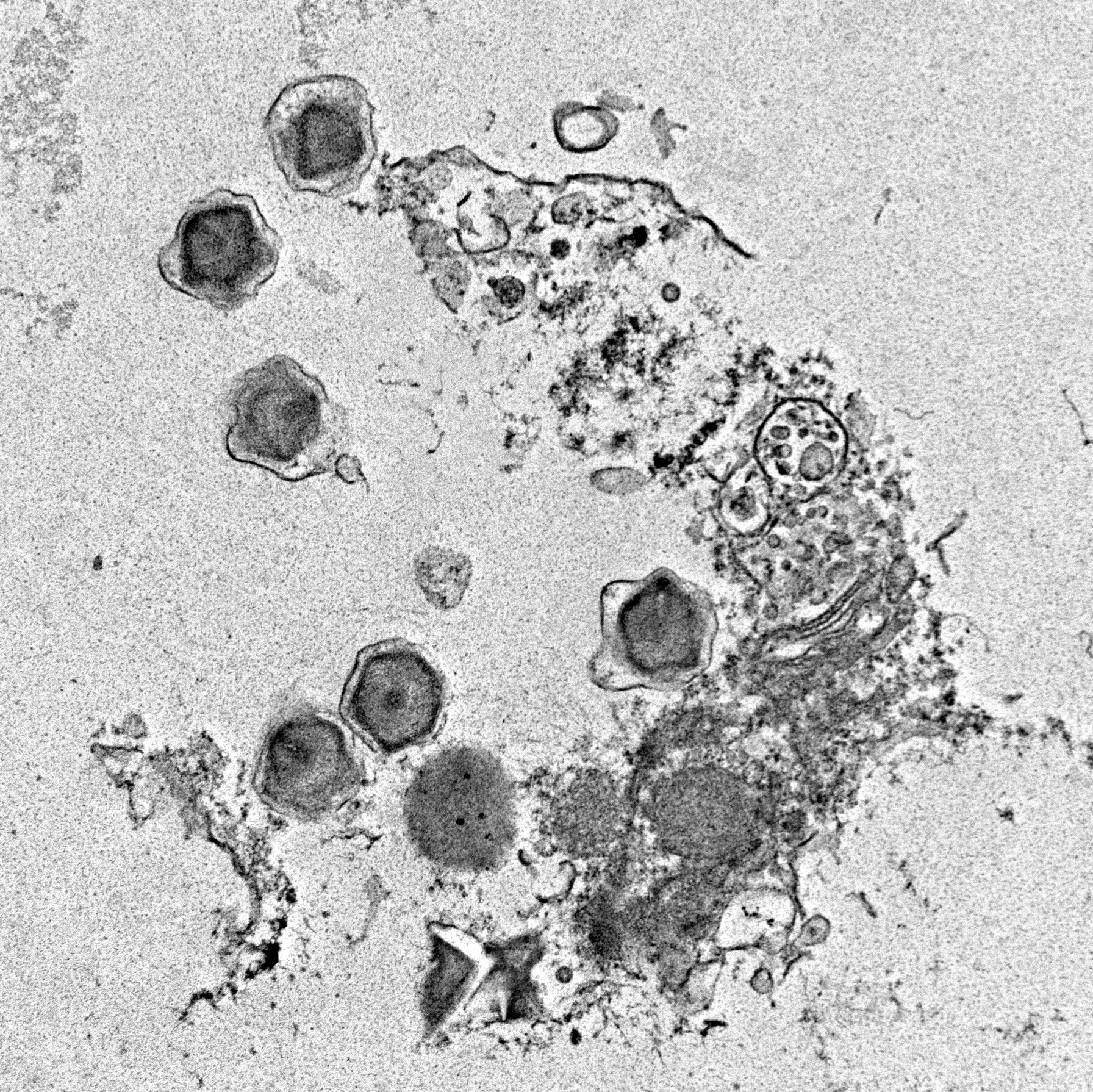
Scientists have discovered 230 new giant viruses in ocean waters that infect protists like algae, which are crucial to marine ecosystems and can influence public health through harmful algal blooms. Using advanced computational tools and global datasets, they characterized these viruses' genomes and functions, revealing their potential to manipulate host metabolism and impact biogeochemical cycles. This research enhances understanding of ocean viral diversity and could aid in monitoring and managing marine health threats.

Toxic Algae Bloom in California Sparks Aggression in Sea Lions
environment2 years ago

Toxic Algae Bloom in California Sparks Aggression in Sea Lions

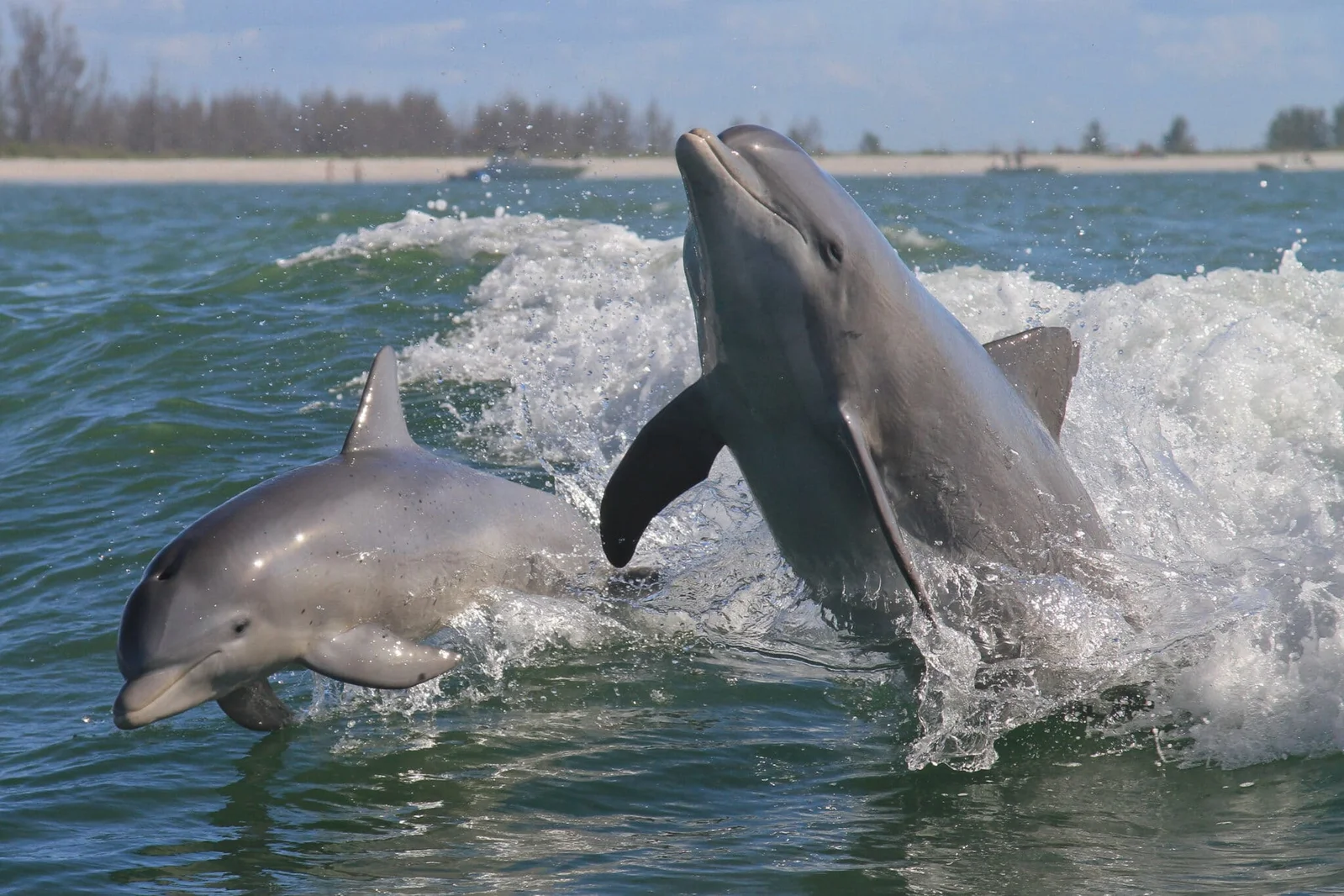
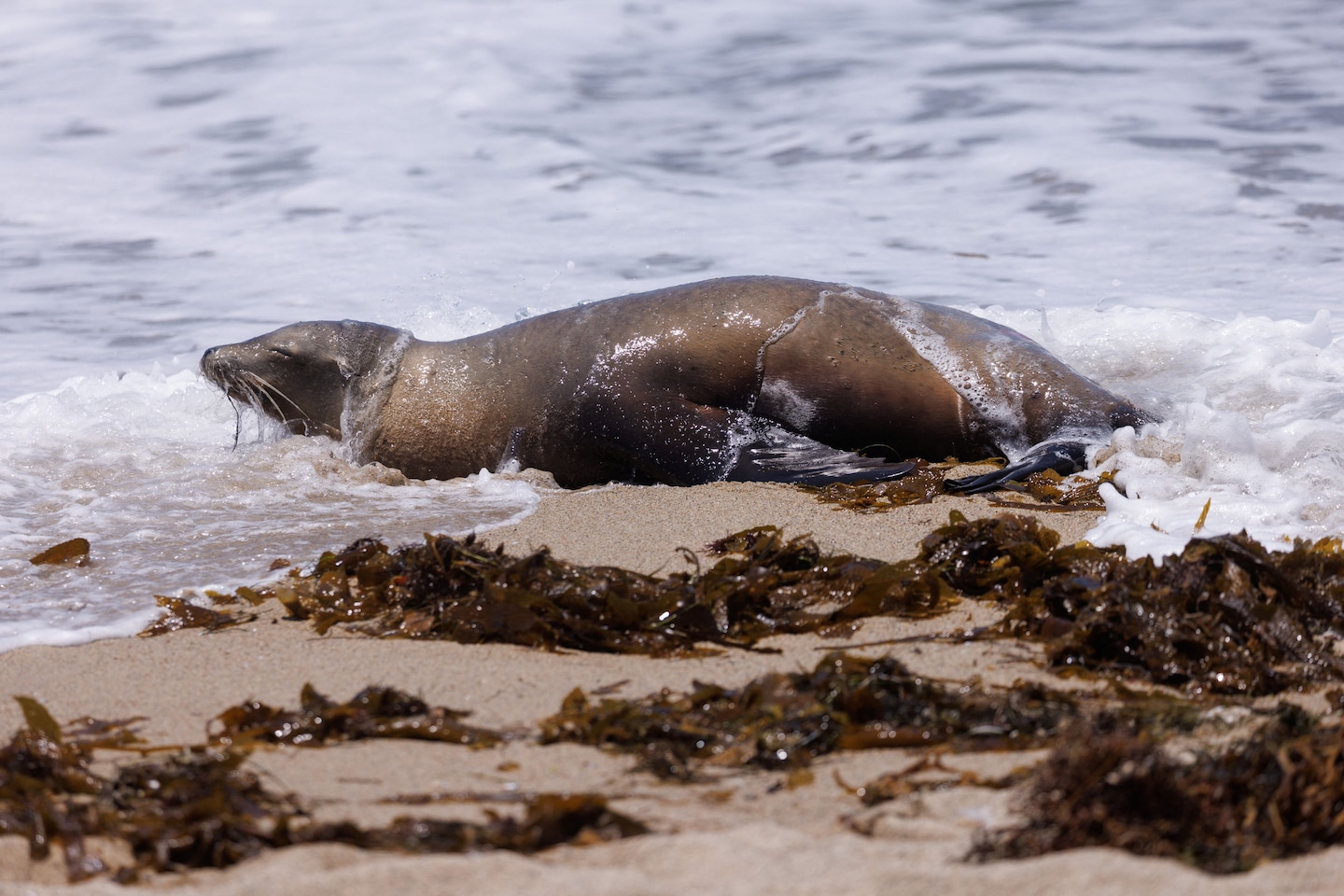
Sea lions along the Southern California coast are biting people due to ingesting toxic algae that contains a neurotoxin called domoic acid. The algae blooms have caused hundreds of sea lions and dolphins to become sick, suffering from seizures, brain damage, dehydration, and muscle spasms. At least two dozen beachgoers have reported being bitten. Harmful algal blooms occur almost every year in California, but this summer's outbreak is the deadliest seen so far. Wildlife care centers are overcrowded, and some sea lions have been left on shores due to lack of space. The toxins can also pose health risks to humans, and precautions have been advised. Researchers hope to contain the contamination and prevent the spread of toxins to other parts of the Pacific Ocean.