A UK case report describes a mid-childhood boy who developed erythema ab igne ('toasted skin') after prolonged laptop use—sitting with a warm laptop on his abdomen up to eight hours daily, often while charging; the heat caused a lace-like reddish-brown rash that resolved after removing the heat source.
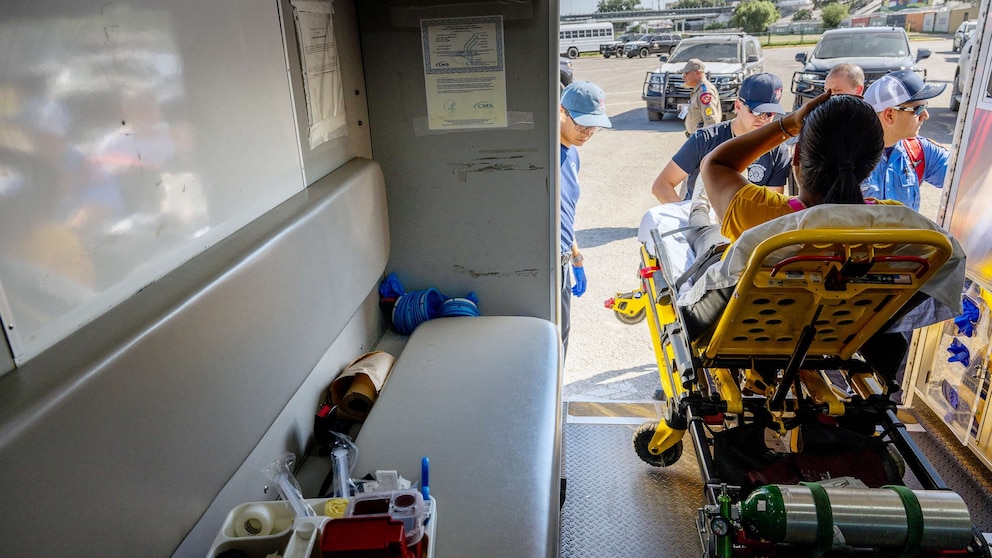
An 82-year-old man became briefly unable to form words after five hours in extreme heat. Dr. Roach warns heatstroke is a medical emergency requiring rapid cooling (cold water immersion or similar) and fluids; dehydration from drinking only water can lower sodium and cause mental confusion, so electrolyte-containing drinks are important. The episode may warrant medical evaluation for kidney/muscle issues or thyroid problems, and pacemaker data should be checked. Prevention focuses on avoiding prolonged heat, cooling promptly, and staying hydrated with electrolytes.
A 68-year-old French tourist died after his car became stuck on Death Valley’s West Side Road; he and a companion walked about 1.3 miles toward Badwater Road in 116°F heat, but he could not continue. Rescue teams found him about 1.5 miles from Badwater Road and he was pronounced dead; the coroner will determine the cause. The incident highlights Death Valley’s extreme heat and the park’s safety guidance to carry water and stay put if stranded.
New Lancet Planetary Health study shows that accounting for age-specific heat tolerance could more than double global exposure to dangerous heat, threatening hundreds of millions of older adults (60+) as warming rises from 1.5°C to 4°C; at 1.5°C roughly 290 million seniors would face 180+ hours of dangerous heat annually, underscoring the need for age-targeted adaptation as the 60+ population grows to about 2.1 billion by 2050 and many live in heat-prone regions.
Doctors warn that everyday habits—such as prolonged heat exposure to the groin from laptops, tight clothing and sedentary work, poor sleep, stress, and unhealthy diets—can gradually affect sperm production and quality. The good news is sperm health can improve with lifestyle changes over a few months, and early fertility checks can help identify issues before they impact conception.
A study published in Science Advances reveals that long-term exposure to extreme heat, such as in Phoenix, accelerates biological aging at the molecular level, similar to the effects of smoking, which may lead to earlier onset of age-related diseases and increased health risks, especially as climate change causes more frequent heat waves.
Exposure to high temperatures can impair the immune system's ability to fight off infections and worsen existing heart problems by increasing inflammation in the body, according to a study presented at the American Heart Association’s Epidemiology and Prevention conference. Another study found that extreme heat combined with fine particulate pollution significantly increases the risk of fatal heart attacks, especially among women and older adults. These findings highlight the need for public awareness and action to mitigate the health risks associated with extreme temperatures and air pollution, particularly for vulnerable populations.
Exposure to high heat may impair the immune system's ability to fight infections and increase inflammation, potentially accelerating the progression of cardiovascular disease, according to preliminary research presented at the American Heart Association’s Epidemiology and Prevention│Lifestyle and Cardiometabolic Scientific Sessions 2024. The study found that even minor exposure to high temperatures led to changes in immune markers, particularly affecting the body's innate immune system and adaptive immune system. The findings highlight the potential health impact of rising global temperatures and the need for increased awareness and precautions, especially for older adults and those with existing cardiovascular disease.
Prolonged exposure to high temperatures, defined as 95 degrees Fahrenheit and higher for three or more consecutive days, can increase the risk of complications for pregnant women by as much as 27%, including sepsis, hemorrhage, and clotting disorders, according to new research published in the Journal of the American Medical Association. The study also found that heat exposure during the last week of pregnancy increases the risk of life-threatening delivery complications. Pregnant women are more prone to heat-related illness due to their bodies working harder to cool themselves and their developing baby. It is recommended for pregnant women to limit their time outdoors, stay in air conditioning, and use ice packs to cool down.
Lincoln Public Schools in Nebraska has canceled early childhood classes for Wednesday and Thursday due to the extreme heat, reducing heat exposure for the 850 preschool students who are transported during the hottest part of the day. Classes will resume on Friday, while meetings with early childhood families will still be held as planned. However, classes for students in grades kindergarten through 12th grade will continue as scheduled, with the superintendent emphasizing that school buildings provide central air conditioning, which may not be available in all students' homes.