A Globe and Mail report indicates a new study suggesting that taking a daily multivitamin could slow the rate at which cells age, offering potential but preliminary evidence for micronutrient supplementation in aging.
Recent research highlights that sleep is as crucial as exercise for health, with only about 13% of people meeting both sleep and physical activity guidelines simultaneously. The study shows that adequate sleep positively influences physical activity levels the next day, emphasizing the importance of balancing both for healthy aging and reducing long-term health risks.
Scientists have discovered a link between tinnitus and sleep, suggesting that the condition may impact sleep quality or be influenced by sleep patterns.
A study suggests that the shingles vaccine may help slow down the progression of dementia, indicating potential additional benefits of the vaccine beyond preventing shingles.
The article discusses the risks of bias, hallucinations, and opacity in AI systems used in health research, highlighting how these issues threaten the reliability and trustworthiness of medical data and findings, and proposing solutions like transparency and better oversight to mitigate these risks.
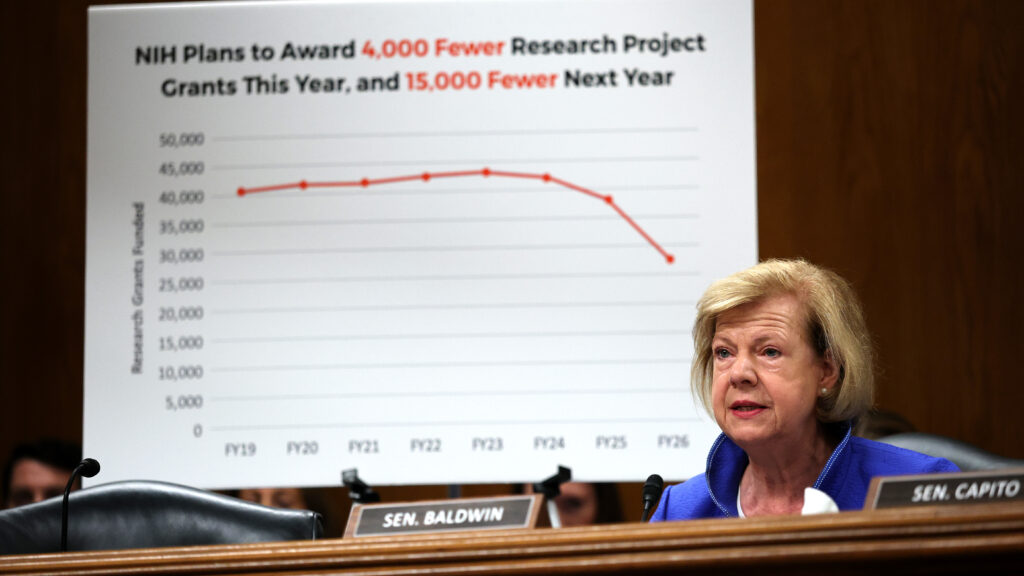
The NIH has caught up with its grantmaking activities after delays earlier in the year and is now on track to spend nearly its entire $47 billion budget by September 30, with recent activity bringing it close to the annual spending pace of previous years.
The Supreme Court has approved nearly $800 million in cuts to NIH grants, enabling the Trump administration to reduce funding for health research concerning minority, gay, and transgender communities amid ongoing legal disputes.
The US Supreme Court has allowed the Trump administration to proceed with nearly $800 million in cuts to health research funding, impacting projects on breast cancer, HIV prevention, and other health issues, amidst ongoing legal challenges and debates over diversity, equity, and inclusion efforts.
Virginia researchers are recruiting participants aged 45-75 with no recent cancer diagnosis for a three-year study testing a new multi-cancer detection method that could screen for 10 types of cancer, aiming to improve early detection and promote cancer screening in the community.
A US government-led study suggests that common cooking oils, such as sunflower, grapeseed, canola, and corn, may contribute to a rise in colon cancer cases among young people due to their role in causing chronic inflammation. The research found that these oils produce bioactive lipids that hinder the body's healing process and promote tumor growth. Healthier alternatives like oils rich in omega-3 fatty acids, such as those from avocados and olives, are recommended. However, US health institutions note that moderate consumption of seed oils in a balanced diet has not been linked to cancer.
A new study highlights that daily physical activity, as measured by wrist-worn fitness trackers, is a more powerful predictor of longevity than traditional health markers like age or chronic diseases. The research, which analyzed data from the National Health and Nutrition Examination Survey, suggests that moving more throughout the day is crucial for a longer life, surpassing other factors such as diabetes or smoking. This underscores the importance of exercise and the potential of fitness trackers in monitoring health, though translating this data into actionable advice remains a challenge.
Research published in the British Journal of Sports Medicine suggests that Americans over 40 could extend their life expectancy by 5.3 years if they matched the physical activity levels of the top 25% of the population. This conclusion was drawn from an analysis of 2017 mortality data from the National Center for Health Statistics, highlighting the significant impact of an active lifestyle on longevity.
A study published in JAMA Network Open has identified slow walking speed as a potential early indicator of dementia. Researchers found that individuals over 65 who experienced a decline in both walking speed and cognitive ability had a higher risk of developing dementia. The study suggests that maintaining a healthy lifestyle, including regular exercise, could help prevent cognitive decline. Experts recommend strength training and stretching to keep muscles strong and flexible, potentially reducing the risk of dementia.
New research indicates that concussions in high school football players slow aperiodic brain activity, which is crucial for cognitive functions like memory and decision-making. The study, to be presented at the RSNA meeting, highlights the importance of monitoring and allowing full recovery from concussions. This research shifts focus from rhythmic to aperiodic brain signaling, previously considered 'background noise,' and suggests it plays a significant role in brain cortical excitability and overall brain function.
Stanford University researchers have discovered that aging occurs at different rates in different organs, challenging the traditional view of aging as a uniform process. This new understanding, termed "organ aging," suggests that our biological age can differ from our chronological age, with some organs aging faster or slower than others. This variability can influence disease risk and longevity, and lifestyle factors like diet and exercise may impact organ aging. The research opens possibilities for personalized health strategies based on one's "ageotype," or the specific aging pattern of their organs.