Tag

Heat Management

All articles tagged with #heat management

Using Your Phone While Charging Won’t Hurt Battery Life (Just Slower Recharging)
technology23 days ago

Using Your Phone While Charging Won’t Hurt Battery Life (Just Slower Recharging)

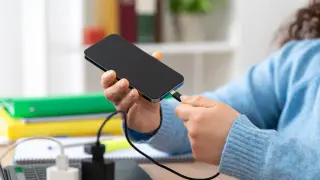
Using a phone while it’s charging won’t damage the battery thanks to features like bypass charging that shifts power to running apps and helps control heat; expect slower charging during intensive use, and note that iPhones don’t currently support bypass charging. Overall, modern phones manage heat well, but overheating is the main risk, so limit heavy use while plugged in. Overnight charging is safe due to protective charging and trickle charging, and for longevity you’re better off charging when the battery is around 20–80% rather than letting it fully drain.


"Google Pixel 9 to Feature Samsung-Built Tensor G4 with Enhanced Heat Management and Power Efficiency"
technology2 years ago

"Google Pixel 9 to Feature Samsung-Built Tensor G4 with Enhanced Heat Management and Power Efficiency"

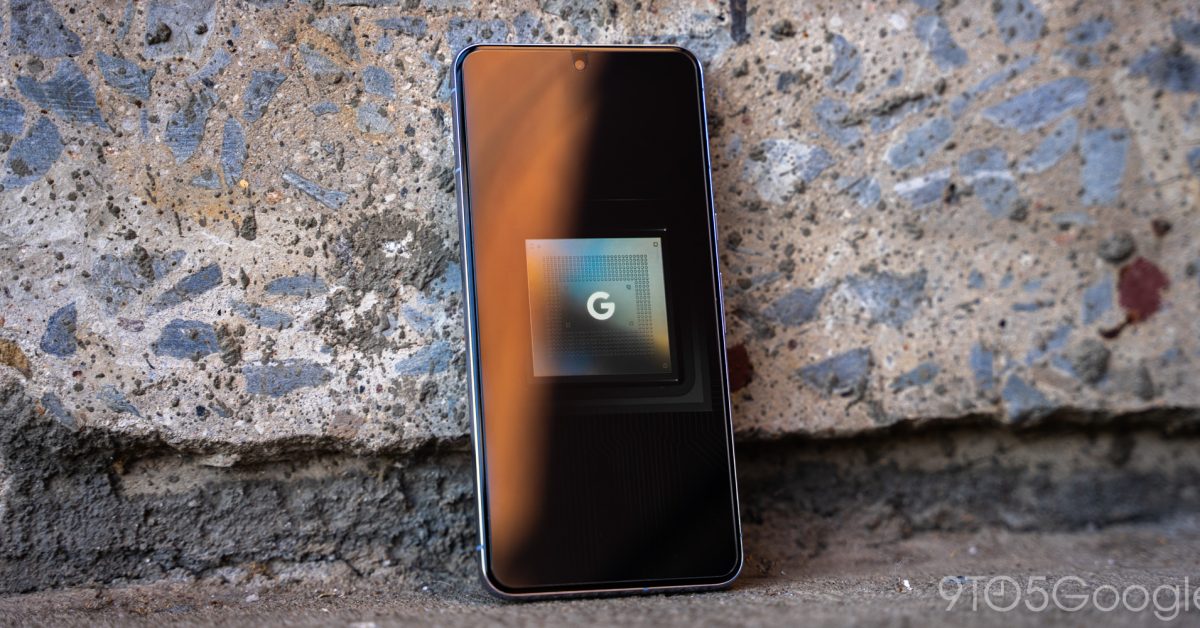
Google's upcoming Tensor G4 chip is expected to adopt a new packaging method from Samsung, potentially leading to improved power efficiency and heat management. The chip will utilize Samsung's latest 4nm process and a newer Fan-out Wafer Level Packaging (FOWLP) method, building on the success of Tensor G3. This move is seen as a minor upgrade over the existing G3 chip, with Google reportedly planning to transition to TSMC for the release of Tensor G5 in 2025's Pixel 10 series. Tensor G4 is anticipated to be used in the Pixel 9 series and Pixel Fold 2.

PS5 Slim Teardown Reveals Clever Engineering and Unchanged Chip Size
gaming2 years ago

PS5 Slim Teardown Reveals Clever Engineering and Unchanged Chip Size

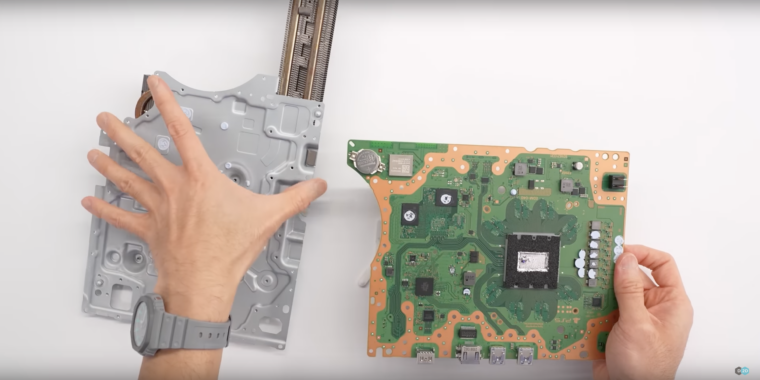
Teardowns of the unofficially named "Slim" version of the PlayStation 5 reveal that while it is smaller and lighter, it doesn't offer significant improvements in efficiency compared to previous slim models. The new console features a detachable disc drive, allowing for potential repairability, but it requires online pairing with Sony's servers. The design changes include a different finish, repositioned ports, and clear plastic feet. The internal components, including the chip, heat management, and power supply, remain largely the same as the original PS5.