Starlink’s V5 residential dish is now available in select areas; it’s notably smaller, lighter, and more power-efficient than the V4, with peak speeds around 375 Mbps versus 400+ Mbps, though actual speeds depend on plan and network conditions, and it’s not designed for in-motion use (a future Starlink Mini will address that).
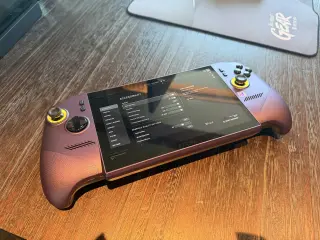
Intel unveiled Arc G3 Extreme benchmarks for handhelds, showing about a 44% average performance boost over the Core Ultra 7 258V at 35W and roughly 42% faster than AMD’s Z2 Extreme; at 17W the G3 Extreme is ~24% faster than the Z2 Extreme and at 12W ~37% faster, with many titles staying above 30 FPS. The dataset highlights XeSS upscaling and Multi-Frame Generation, plus power-optimized features like Intelligent Bias Control v3.5 and P-core parking to maximize GPU headroom. Endurance Gaming mode offers longer playtime (Intel cites nearly 6 hours in Forza Horizon 6 in tests vs ~3 hours without the mode), alongside driver optimizations, precompiled shaders, and broad developer support, signaling Arc G3 as a purpose-built handheld SoC with strong battery life and performance gains.
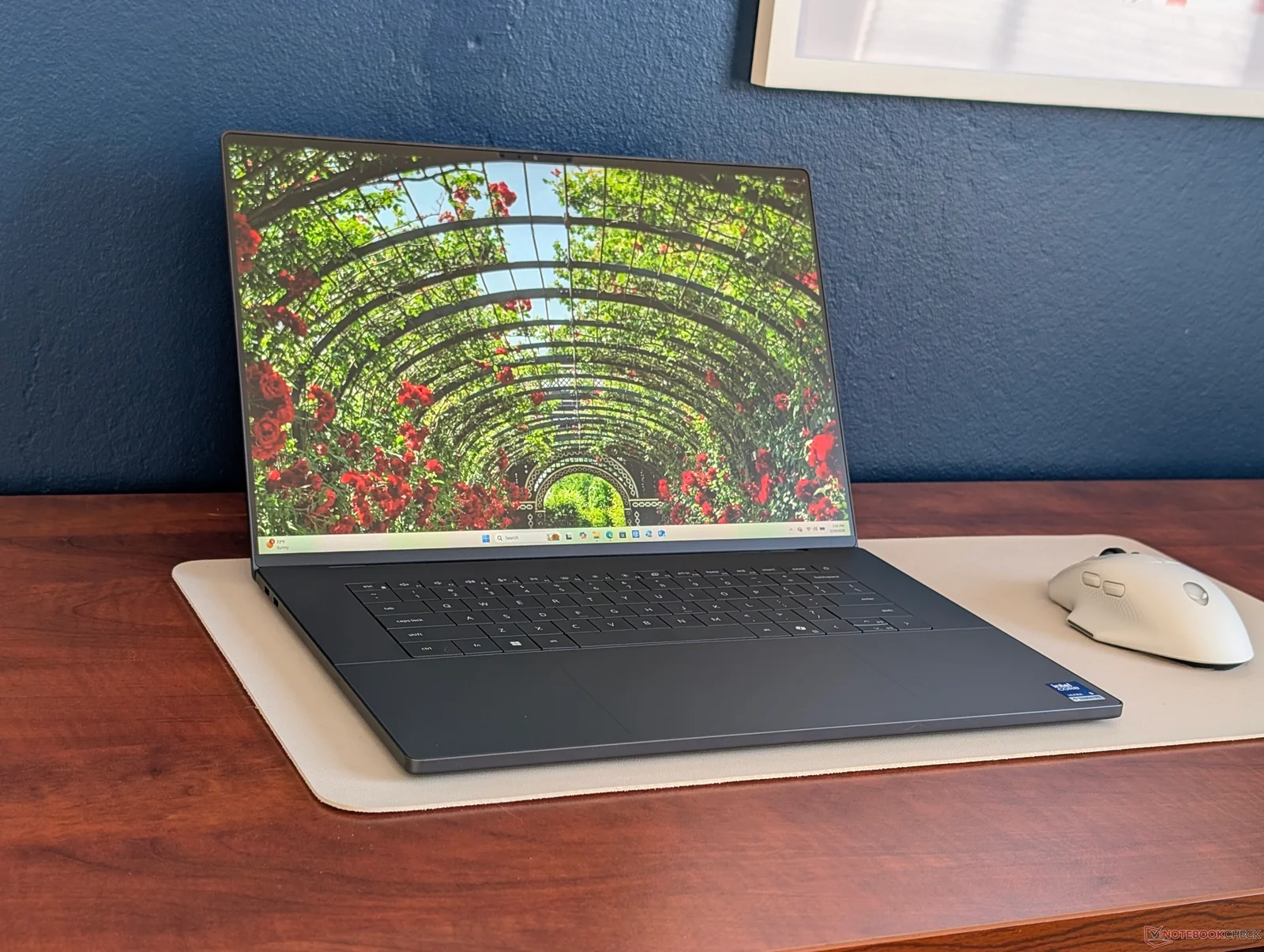
Notebookcheck’s review of the 2026 Dell XPS 16 highlights Panther Lake-driven efficiency: idle power around 1.5 W and about 4.5 W at max brightness, with WLAN browsing tests delivering roughly 27 hours on a 70 Wh pack (well over a day). It outperforms rivals that pull 3–5 W in similar conditions, but the lack of a discrete GPU trades graphics performance for this exceptional endurance. Full benchmarks are in Notebookcheck’s XPS 16 review.
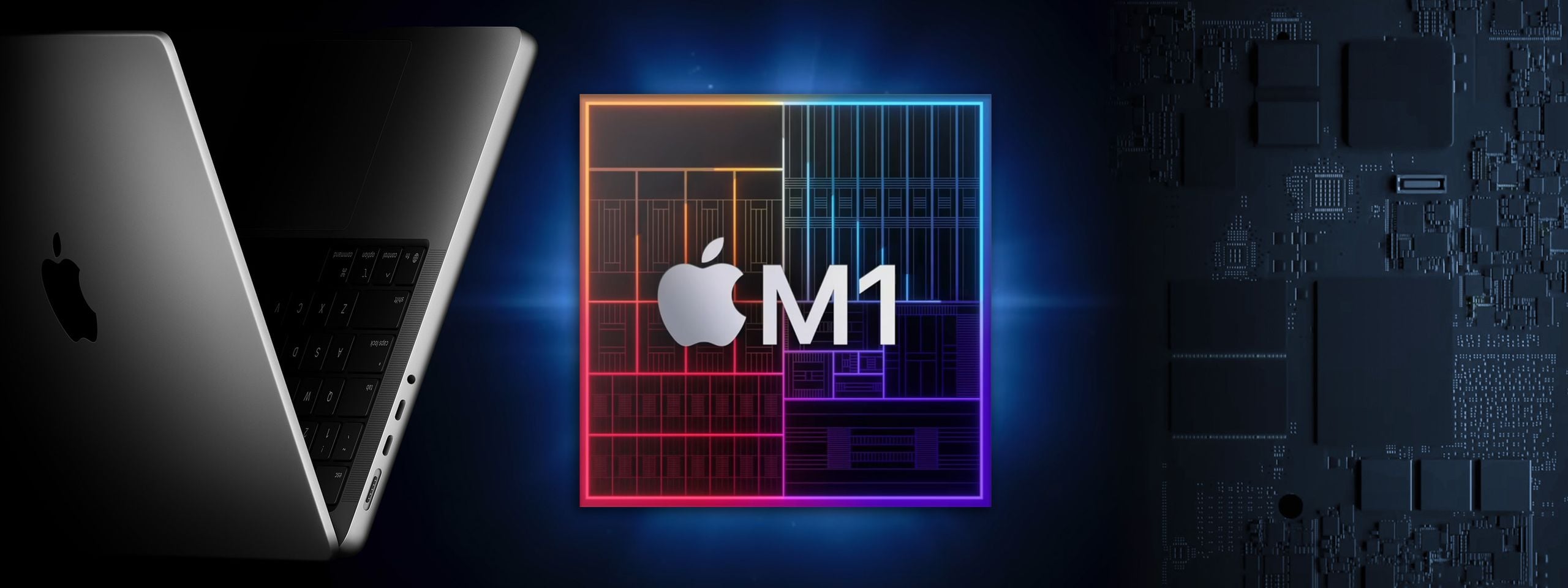
Apple's transition from Intel to its own M-series chips has revolutionized computing by setting new standards for performance and efficiency, enabling longer battery life and more integrated architecture, and influencing industry strategies over the past five years.
Bluetooth 6.0 introduces significant improvements in latency, security, location tracking, and power efficiency, with devices like phones and headphones already adopting the new standard. However, it does not yet support lossless audio streaming, though future updates may enable high-res audio transmission. The upgrade promises better connectivity, longer battery life, and enhanced security for wireless devices.
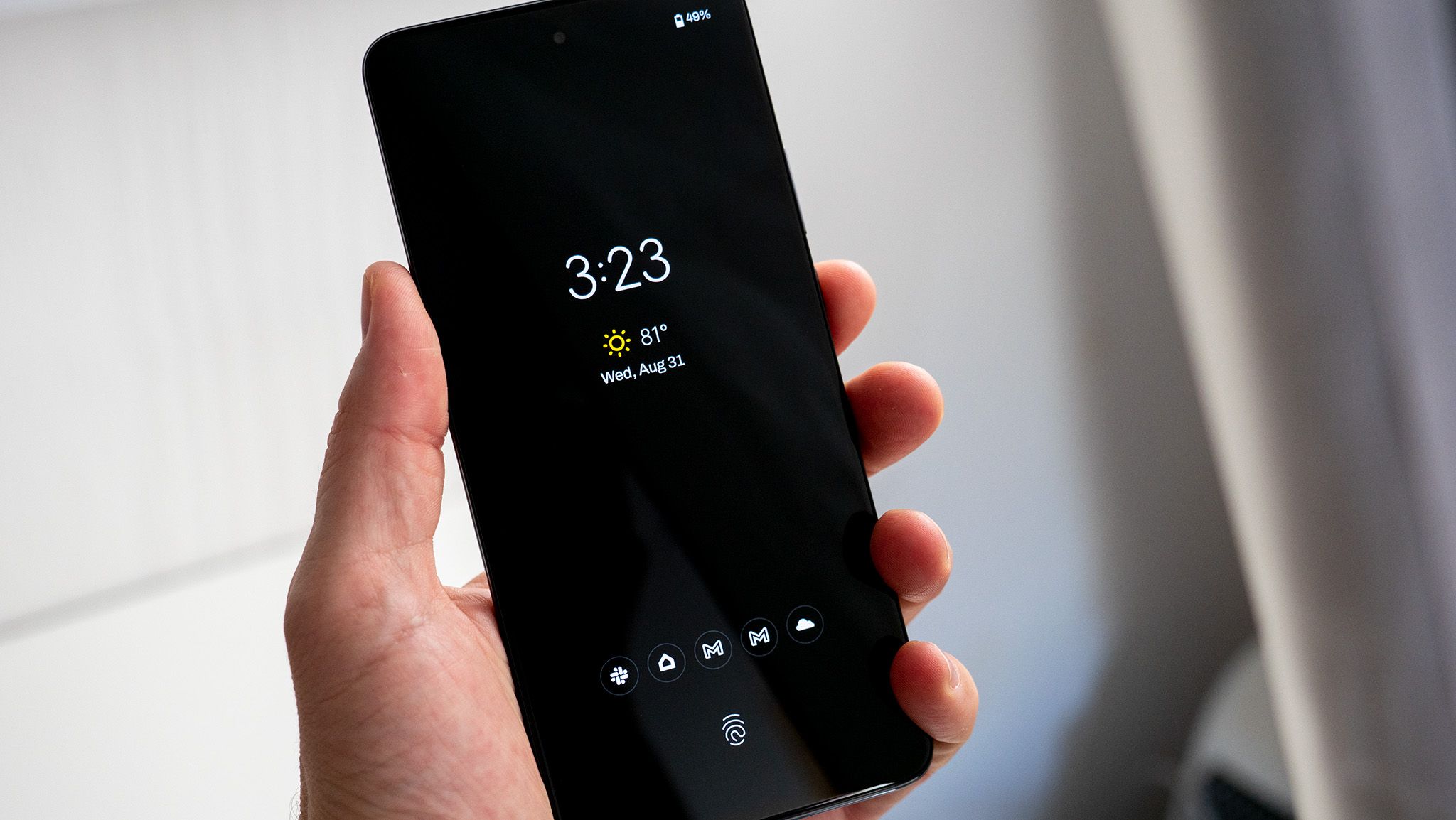
Google's upcoming Android 17 update introduces 'Min Mode,' transforming the Always-On Display into an interactive, low-power interface that can show live app content like navigation and media controls, making the AOD more useful without draining battery life.
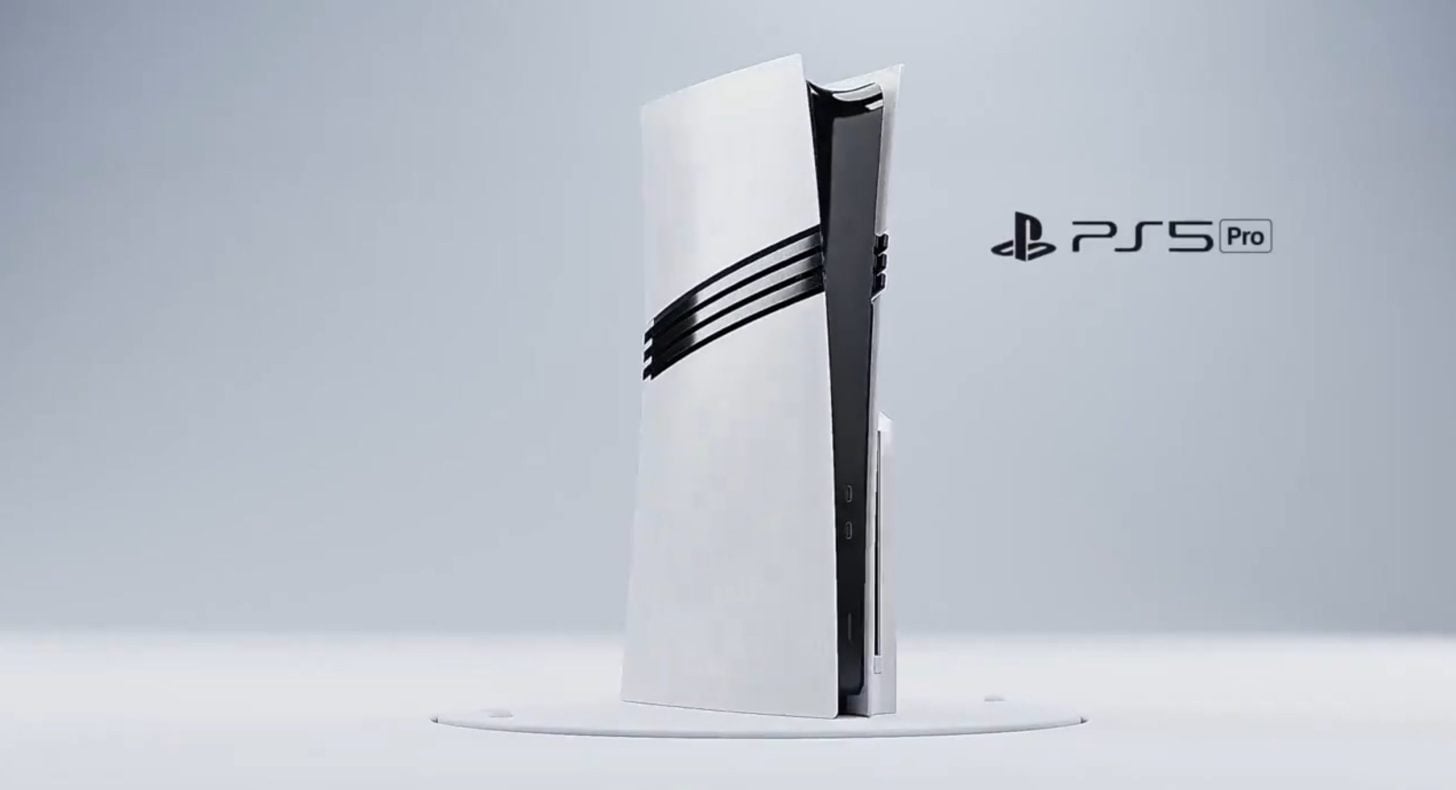
The new PlayStation 5 Pro CFI-7121 model offers improved power efficiency (2-3%), runs cooler, and is quieter than the original, with minor hardware changes like a lighter heatsink and different fan. The DualSense controller saw minimal updates, mainly removing the back microphone to reduce costs. Overall, these small upgrades enhance performance without significant changes or cost increases.
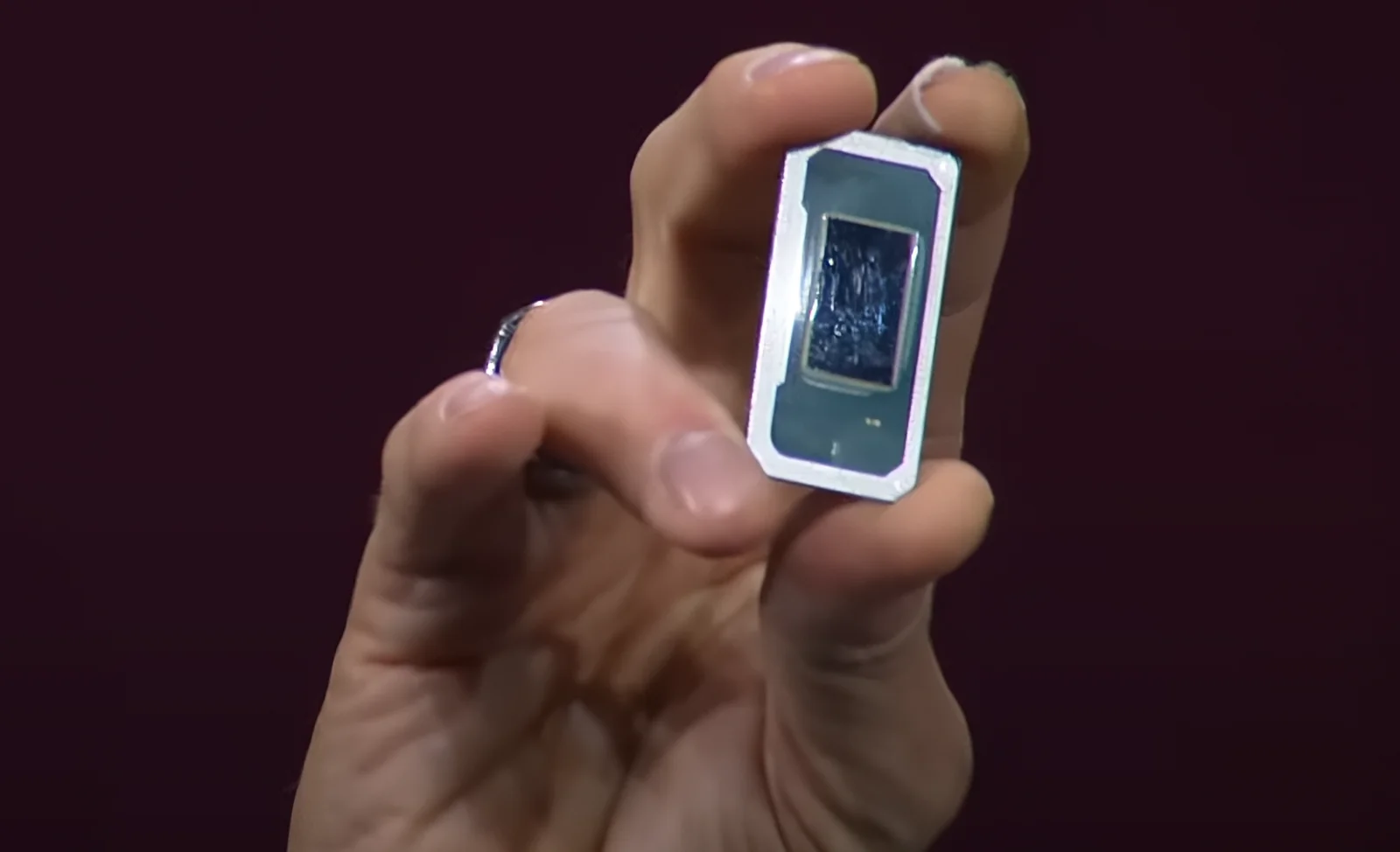
Intel's upcoming Panther Lake lineup, set for early 2026 release, is expected to feature 30% higher power efficiency and 50% better performance in data-intensive tasks compared to Lunar Lake, driven by the adoption of the 18A node, marking a significant step in Intel's mobile platform development.
Apple's new N1 wireless chip in the iPhone 17 lineup enhances Wi-Fi 7, Bluetooth 6, and Thread, offering improved performance, reliability, and power efficiency, with potential future integration into other Apple products.
MediaTek has launched the Dimensity 9500, its most advanced mobile platform, featuring industry-leading AI, gaming, and power efficiency capabilities, designed to enhance next-generation flagship 5G smartphones with significant performance improvements and innovative AI features.
The article discusses why x86 architecture hasn't caught up with Apple M series chips, highlighting factors like architectural inefficiencies, hardware-software integration, power management, and Apple's dedicated R&D, which have led to superior performance and battery life in Apple Silicon compared to traditional x86 CPUs from AMD and Intel.
The review explores how adjusting ACPI platform profiles on the Framework Laptop 12, equipped with an Intel Core i5 1334U processor, can significantly impact performance and power efficiency. Benchmarks conducted on Ubuntu 25.04 with Linux 6.14 kernel demonstrate the effects of performance and power saver modes on CPU frequency, power consumption, and temperature, highlighting easy tuning options for optimizing the laptop's operation.
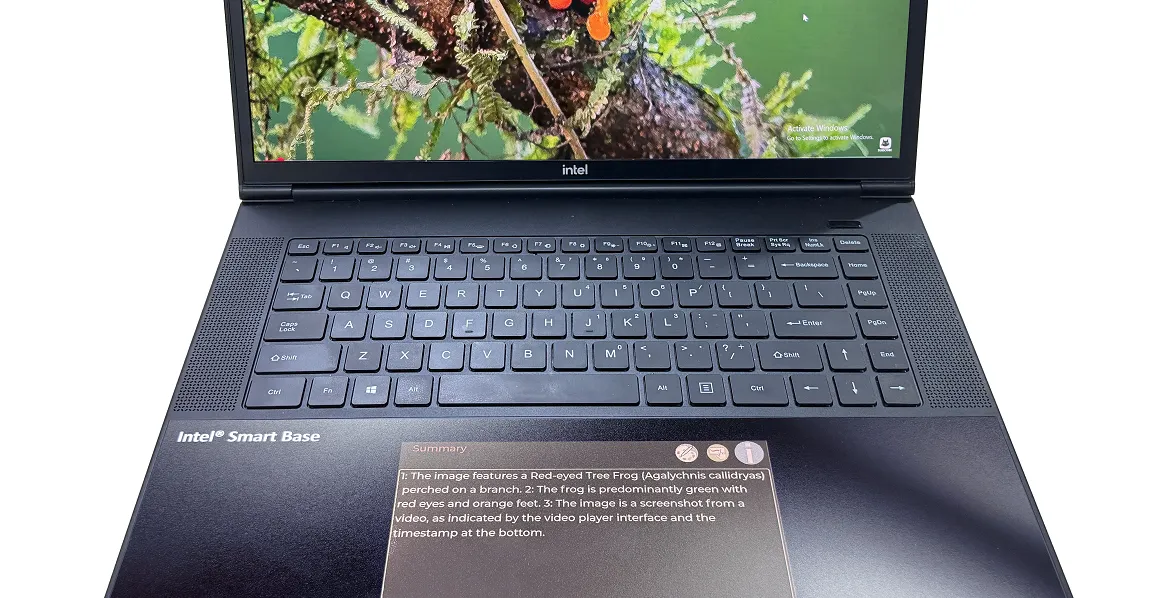
E Ink is developing a color electronic paper touchpad for laptops that serves as a dedicated space for AI applications and assistants, offering low power consumption and potential for quick access to shortcuts and notifications, though technical details and release timelines are still unclear.
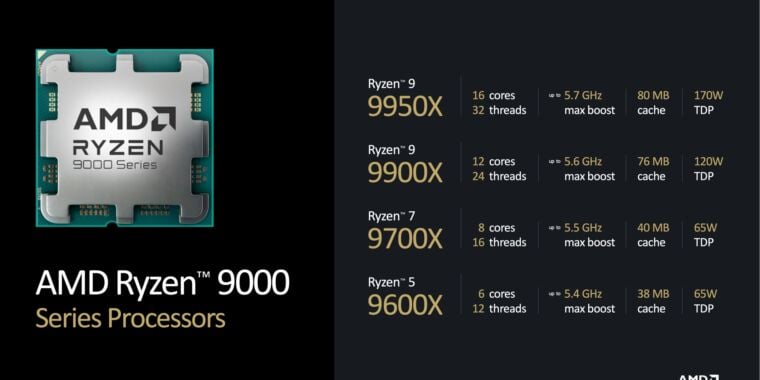
AMD has announced its Ryzen 9000 processors, boasting improved power efficiency and performance over the Ryzen 7000 series. The company has lowered the default power limits for most of the new chips, allowing for better overclocking headroom. Additionally, AMD has extended support for the AM5 socket until at least 2027, ensuring compatibility with future CPU releases.
Efficient Computer Corp emerges from stealth mode with their "Fabric" chip design, claiming to be 100 times more efficient than current processors. The innovative design focuses on optimizing parallelism and spatial computing, with a software stack supporting major embedded languages. While the need for software recompilation may limit mainstream adoption, the startup has secured $16 million in funding and aims to target specialized sectors for initial deployment, with production silicon shipping in early 2025.