Tag

Helix

All articles tagged with #helix

Xbox Helix Dev Kits Headed for 2027, Xbox Mode Comes to Windows 11
technology1 month ago

Xbox Helix Dev Kits Headed for 2027, Xbox Mode Comes to Windows 11

Xbox revealed that the next-gen console, codenamed Helix, will ship alpha dev kits to developers by the end of 2027, signaling a 2027–2028 launch window; the device is designed to run both Xbox console and PC games, with AMD developing a new SoC and ML features like FSR Diamond, and it will maintain backward compatibility with four Xbox generations; Xbox Mode will bring a Windows 11-exclusive Xbox experience to PCs, building on the Full Screen Experience tested on the ASUS ROG Xbox Ally.

Xbox Helix: 2027 Dev Kits, PC-Grade Power and Cross-Device Play
technology1 month ago

Xbox Helix: 2027 Dev Kits, PC-Grade Power and Cross-Device Play

Microsoft details Project Helix, a next-gen Xbox blending console and PC gaming with a custom AMD SoC and the next generation of DirectX and FSR, promising a major leap in ray tracing and AI-enhanced graphics. An alpha development kit will ship to developers in 2027, with a public launch window still unclear. The company also previews cross-device Xbox experiences, including Xbox Mode on Windows 11 rolling out in April 2026 and a revived backwards-compatibility program for the 25th anniversary.

Project Helix: Microsoft's Open, PC‑First Xbox
gaming1 month ago

Project Helix: Microsoft's Open, PC‑First Xbox

Microsoft’s next Xbox is codenamed Project Helix, a PC‑centric, open hybrid console built around AMD’s Magnus SoC. Under new CEO Asha Sharma, Microsoft aims to blur console and PC lines by letting Helix boot Windows 11 and run PC stores like Steam and Epic, delivering a PC‑like experience with Xbox gaming at its core. Details are scarce and a release window isn’t announced, but the plan signals a bold shift toward an open, versatile platform.

Unraveling the Mystery of DNA's Right-Handed Helix
science2 years ago

Unraveling the Mystery of DNA's Right-Handed Helix

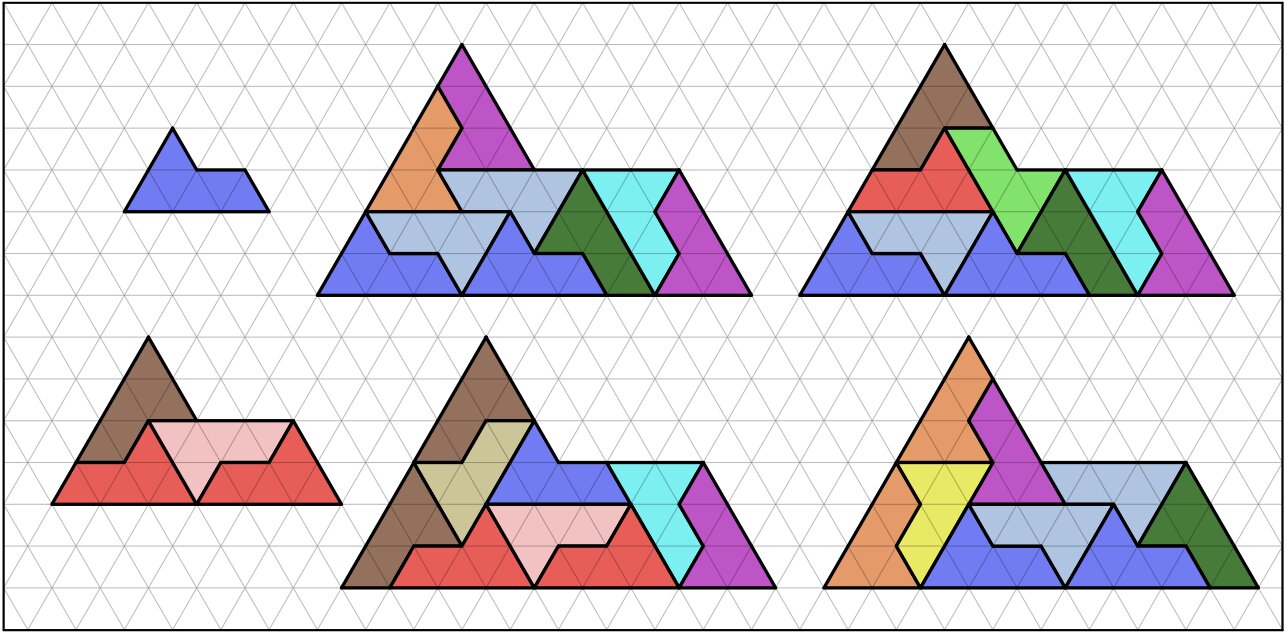
Biophysicist Greg Huber and his team explored the reasons behind the prevalence of chirality in biological structures such as DNA and alpha helices by studying the sphinx tile, an asymmetric shape with intrinsic handedness. Their study, "Entropy and chirality in sphinx tilings," published in Physical Review Research, revealed unexpected properties related to chirality, shedding light on the mysterious preference for right-handed helices in biological systems and the connections between geometry, chirality, and biology.