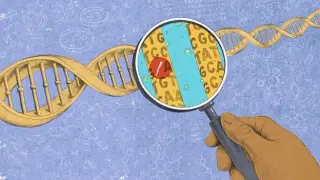
A twin-registry analysis that accounts for extrinsic mortality finds genetics account for about 50% of variation in human lifespan, more than double previous estimates, reshaping how scientists study aging and search for longevity genes.
A twin-based analysis from the TwinLife project finds that genetic factors largely explain the link between cognitive ability and future SES. Cognitive ability is about 75% heritable; genetic factors account for roughly 49–66% of educational attainment and 32–71% of occupational status. The association between early cognitive ability and later SES is predominantly driven by shared genetics (69–81% for education, up to 98% for occupation). Environmental factors overlap far less. The results imply biology heavily shapes life outcomes, though heritability is not destiny, and the study’s four-year window and simplified models warrant cautious interpretation. Policymakers should consider genetic influences when designing interventions to reduce inequality.
A twin-based study shows that removing deaths from accidents and infections raises the estimated genetic contribution to lifespan from about 20–25% to roughly 50–55%. This higher heritability reflects context and population, not stronger genes: as external threats decline, environmental and lifestyle factors still shape outcomes, and half of lifespan variation remains due to environment. The finding emphasizes that genes and environment interact, and aging genetics requires considering different contexts.
A new analysis published in Science estimates that intrinsic lifespan is about 50% heritable after accounting for extrinsic death causes like accidents and infections, using twin data from Sweden, Denmark, and the U.S. This method contrasts with older estimates (6–25%) and suggests genetics play a larger role than previously thought, though environment and lifestyle remain crucial. The research was limited mainly to Northern European populations, and further work is needed to confirm applicability across diverse groups and to translate findings into aging interventions aimed at extending healthspan.
A study in Science argues that genetics accounts for roughly 50% of variation in human lifespan after removing the masking effect of extrinsic mortality (accidents, disease, etc.), suggesting genes governing ageing are substantial contributors. Using a math model and twin data from Denmark and Sweden, the researchers found heritability around 50% and noted that as environmental risks declined over the 20th century, genetic influence becomes more evident. The work implies future therapies could target ageing mechanisms, though lifestyle and environment still play a major role, varying by cause of death and age.
A study of a large number of twins suggests that ADHD behaviors exhibit a notable degree of heritability, with 11% of the variation in children's ADHD behaviors attributed to shared genetic factors between generations. The study indicates that children tend to resemble their parents in levels of impulsiveness, hyperactivity, and inattention due to shared genetic influences rather than shared home environments or effects of parental ADHD on child ADHD. While genetic factors play a significant role, the main cause of ADHD is likely an interplay of unique environmental factors for each child.
A Swedish study found that the risk of developing multiple sclerosis (MS) is similar between first- and second-degree family members of people with relapsing-remitting MS (RRMS) and primary progressive MS (PPMS). The study suggests that genetics and environment contribute equally to disease risk and that the likelihood of developing a particular MS type may be independent of genetics. The heritability of MS overall was estimated to be about 51%, with RRMS having a heritability of 55%. The study highlights the need for further research to explore other genetic and environmental risk factors that contribute to disease expression.