
Sydney Towle, TikTok creator who chronicled rare cancer, dies at 26
Sydney Towle, a content creator who documented her battle with stage 4 cholangiocarcinoma for over a million followers, died at 26 on August 5, 2026, after entering hospice care.

All articles tagged with #hospice
Sydney Towle, a content creator who documented her battle with stage 4 cholangiocarcinoma for over a million followers, died at 26 on August 5, 2026, after entering hospice care.

Sydney Towle, a TikTok creator with over 1 million followers, died at age 26 on August 5, 2026, after a nearly three-year battle with stage 4 cholangiocarcinoma. Her family announced her passing on August 6, one day after her death, following her entry into hospice care. Towle, a Dartmouth graduate, documented her diagnosis, treatments, and resilience, including participation in a tumor-infiltrating lymphocyte clinical trial, while maintaining an optimistic online presence until her final months.
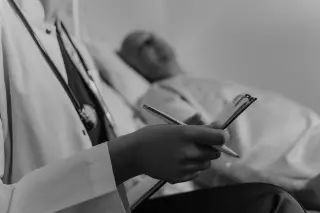
A 2020 University of British Columbia EEG study, published in Scientific Reports, found actively dying hospice patients still exhibit brain responses to sounds hours before death—through event-related potentials—suggesting the voices of loved ones in the room may reach them even when they are unresponsive. The finding lends neural support to hospice guidance to speak normally and play familiar sounds, though it does not prove subjective experience and the study’s small, variably conditioned sample limits broad conclusions.
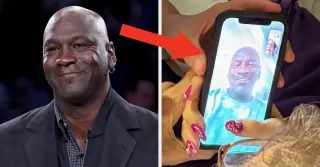
NBA legend Michael Jordan surprised his former high school teacher, Ms. Etta, who is in hospice care in Wilmington, NC, by connecting with her via FaceTime to fulfill her bucket-list wish and reminisce about their memories, a moment staff say captures the spirit of meaningful connection that hospice aims to provide and which viewers have praised online.
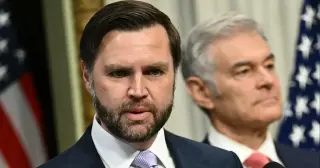
The Trump administration announced a six-month moratorium on new Medicare enrollments for hospice and home-health agencies to curb fraud, with no new licenses issued while existing providers remain. CMS will conduct targeted investigations and speed up removal of suspected fraudsters, a move that follows prior probes into hospice fraud and Medicaid anti-fraud funding concerns across states.
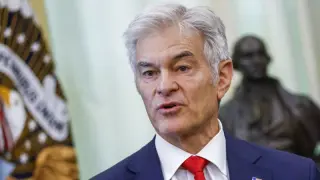
The Trump administration defers $1.3 billion in California Medicaid payments as part of a broader anti-fraud push, including reviews of Medicaid Fraud Control Units and a six-month moratorium on new hospice and home-health provider enrollments; officials say the measures aim to curb fraud, but critics warn about potential access issues and question their effectiveness.
The White House, via CMS, is withholding $1.3 billion in California’s Medicaid reimbursements over alleged hospice-fraud gaps—the largest deferral in CMS history—while also pausing new hospice and home-health provider enrollments and pressuring the state to show patients actually received services, in a continuing feud over hospice oversight.

The Trump administration's CMS announced a six-month nationwide moratorium on new Medicare enrollments for hospice and home-health agencies to thwart fraud, while continuing investigations and removals of fraudulent providers; existing providers remain in operation, and the move is part of a broader anti-fraud push led by VP JD Vance, amid concerns about access and potential impacts on compliant providers.
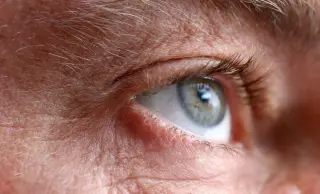
A study of 112 hospice patients with advanced cancer found that absence of the corneal reflex strongly predicts death within 24 hours (about 70.7% mortality within 24 hours for those with no reflex, and higher risk in deeply sedated patients), suggesting the reflex can aid bedside prognosis when used with existing tools like the Richmond Agitation-Sedation Scale; however, it is not definitive and requires broader validation across settings.
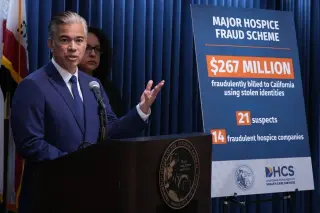
California Attorney General Rob Bonta announced the dismantling of a major hospice fraud scheme that defrauded the state of about $267 million, with 21 people charged in Los Angeles.
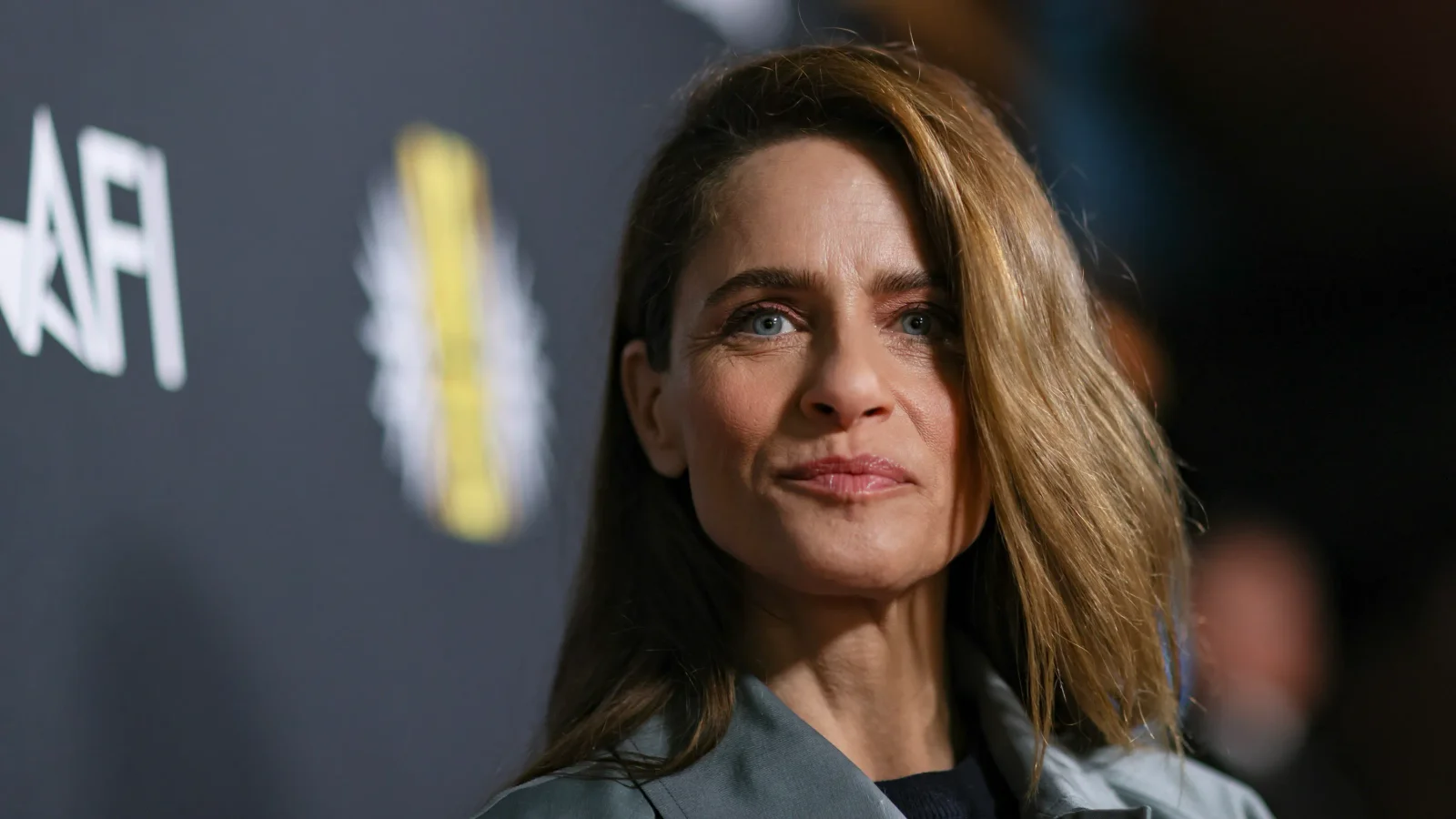
In a New Yorker essay, Amanda Peet details a breast cancer diagnosis (Stage I, not requiring chemotherapy), the discovery of a second benign tumor treated with lumpectomy and radiation, and the concurrent losses of both parents in hospice on opposite coasts—her father dying over Labor Day and her mother’s decline with Parkinson’s. She describes telling her three children and navigating difficult conversations while coping with grief and the impulse to stay strong.

Amanda Peet reveals her breast cancer diagnosis in a New Yorker essay, recounting the biopsy that confirmed cancer, a second benign mass, and the emotional toll of navigating treatment—while both of her parents were in hospice—leading to plans for a lumpectomy and radiation.

Kiersten Peterson’s daughter Aspen was diagnosed with stage 4 rhabdomyosarcoma at age 4 after flu-like symptoms, relocating to Boston for aggressive treatment and achieving remission for about 10 months before relapse spread to her lungs and lymph nodes. Aspen endured more chemotherapy, was placed on hospice in 2025, and died on March 3, 2026, at age 6. Peterson describes trying to keep Aspen's life normal, the support from family, friends, and online communities, and the heartbreak of watching her fade away, while urging other parents to spend time with their kids and hold onto faith. A viral February 2026 video highlighted Aspen’s enduring spirit during her illness.

CherylAnn Haley, a Tampa-based private aide and dementia educator, cares for her mother Sandy, who developed vascular dementia in her 70s. After a long decline—including getting lost, moving from home to assisted living, then memory care, and finally hospice—Haley has become Sandy’s eyes, ears, and voice, advocating for her needs, interpreting her behaviors for caregivers, and sharing the emotional toll of caregiving while finding support from the Dementia Society of America.

Lou Holtz, 89, has entered hospice care in Orlando, but social-media rumors of his death were quickly denied by his son Skip Holtz; the family asked for privacy as they spend time together and keep him comfortable at home. Holtz, a legendary college football coach and ESPN analyst, has not coached since 2004.