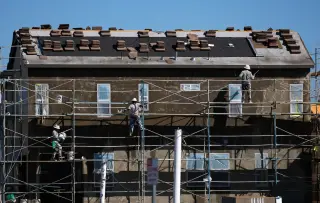
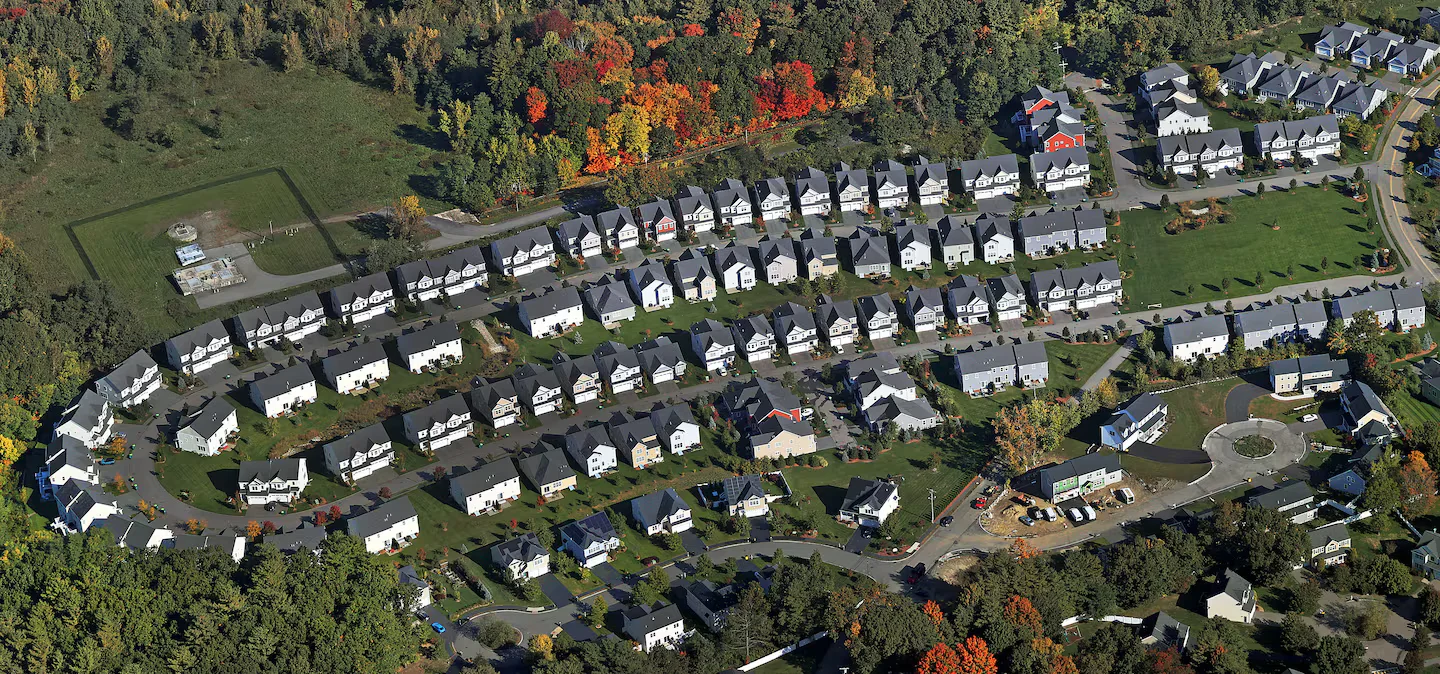
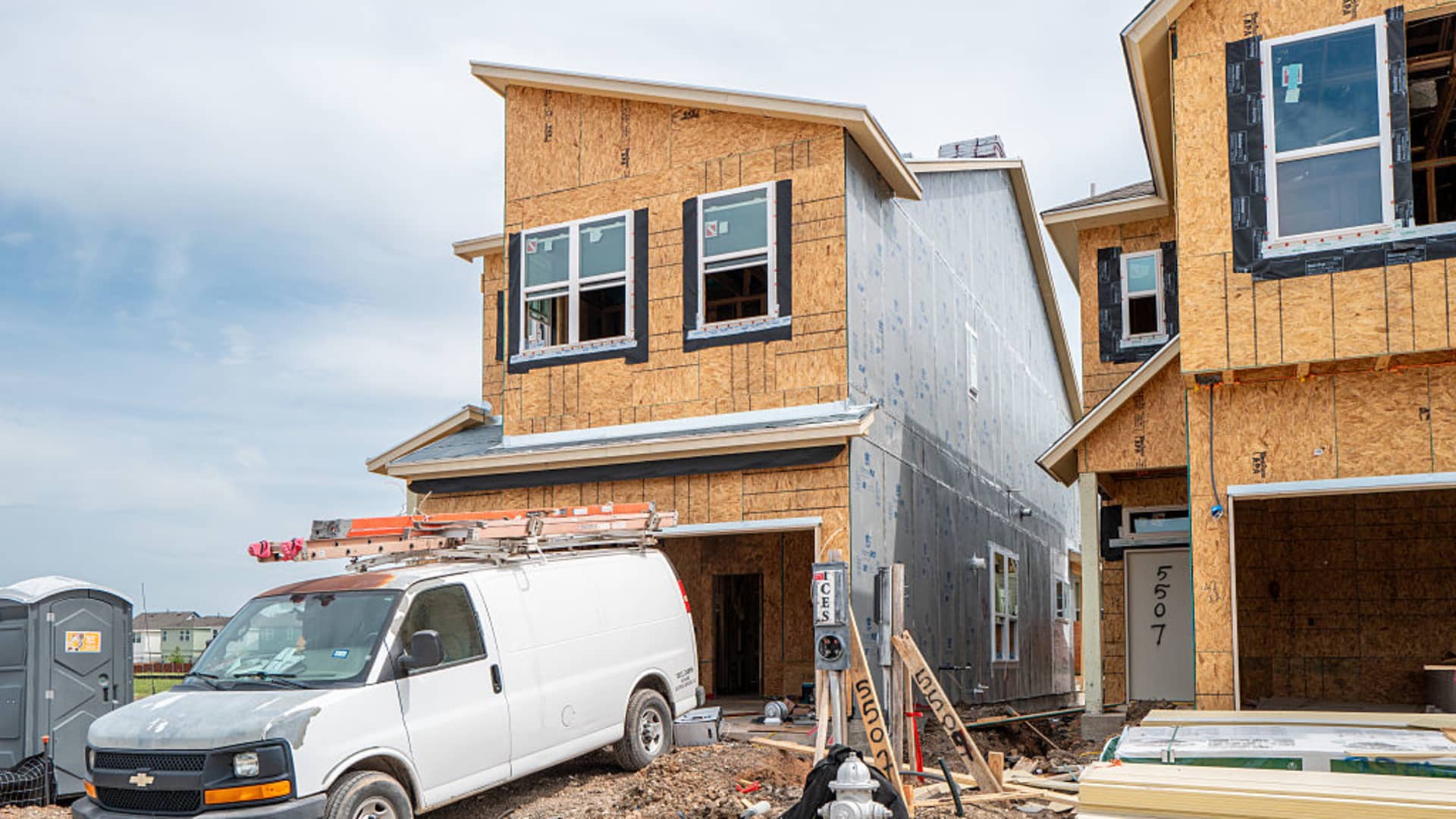
The US housing market has shifted to favor buyers, with reduced competition and increased seller concessions, but high mortgage rates near 7% are preventing a surge in activity. While price growth has slowed, experts warn that a sharp price drop is unlikely due to tight supply and homeowners locking in low rates.
A Fed-backed study analyzing 2.7 million listings from 1890–2006 shows St. Louis, and the Midwest, have stayed far more affordable than coastal cities over 134 years. Inflation-adjusted prices in St. Louis rose about 6%, versus about 1,000% in San Diego/Los Angeles and 354% nationally, due to long-running housing supply, abundant land, slower population growth, and zoning differences. Today St. Louis County median prices are ~$313k and the City ~$240k, with rents near $1,200 and typical 30-year mortgage payments around $1,500 after a down payment and current rates, and roughly 60% of area homes remain affordable per Zillow.
The Senate passed the 21st Century ROAD to Housing Act in a wide 85-5 vote, aiming to lower housing costs by accelerating construction and restricting large institutional investors from buying single-family homes, sending the measure to the House and then to President Trump for signing.
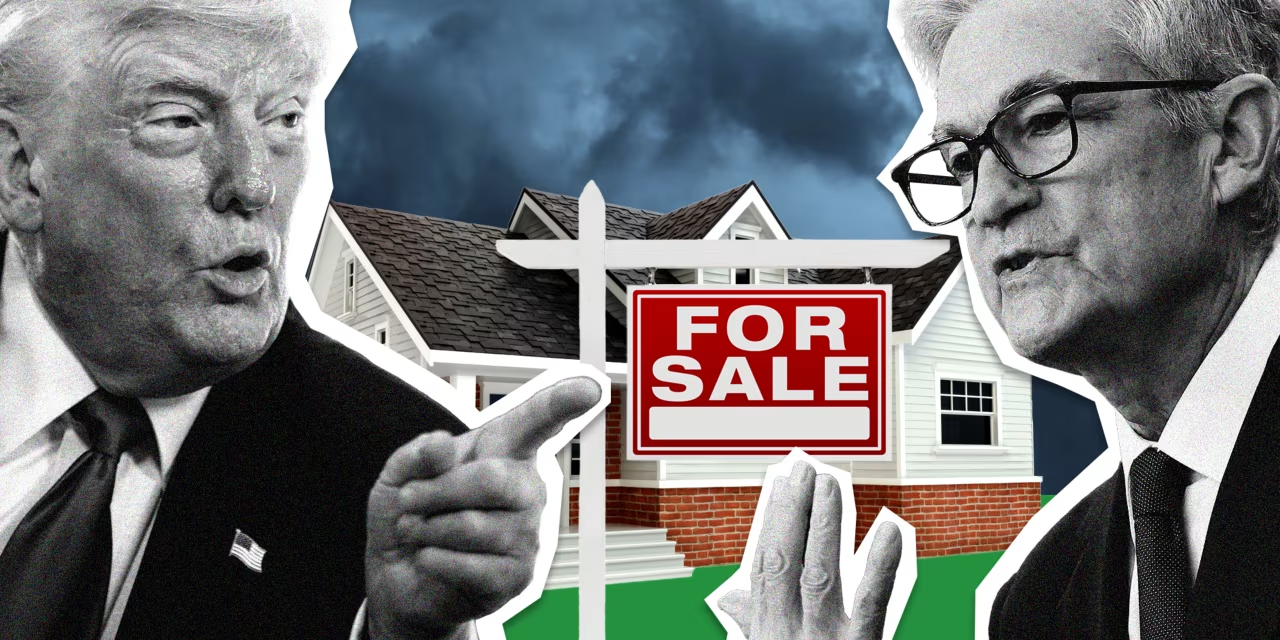
Trump has floated measures to lower housing costs, including a 50‑year mortgage, large-scale government-backed mortgage‑bond purchases, and a ban on institutional investors buying single‑family homes. Experts warn these steps would offer limited relief or could backfire because the core problem is a long‑standing housing shortage. For example, a 50‑year loan on a $500,000 home at 6.1% could incur about $1.1 million in interest (versus $590k on a 30‑year loan), and in Greater Boston a typical home could see roughly $2 million in interest under such a loan. Critics say extending loan terms primarily shifts debt and may push prices higher if supply isn’t expanded; banning investors could reduce rentals in some markets but won’t fix supply. Real relief, they argue, requires boosting housing supply through zoning reform and new construction; Massachusetts estimates 222,000 new homes are needed by 2035. Separately, Trump moved to have Fannie Mae and Freddie Mac buy about $200 billion in mortgage bonds, which nudged rates down slightly but doesn’t address the supply shortage.
November home sales in the US saw a slight increase of 0.5% from October but remained 1% below November 2024, with supply declining and prices reaching record highs, driven by high mortgage rates and limited inventory, while affordability concerns persist despite wage growth.
Rent control policies, despite their popularity among populists, tend to worsen housing affordability by reducing supply, discouraging maintenance, and increasing initial rents, as evidenced by examples from Minneapolis, St. Paul, Los Angeles, and international cases. Cities repeatedly implement these policies, often leading to negative outcomes like decreased building permits and higher initial rents, with some regions like Argentina experiencing rent drops after abolishing controls. Experts warn that rent caps are counterproductive and suggest alternative approaches to address housing affordability.
Rent growth for single-family homes has slowed to its lowest in 15 years, rising only 1.4% in August, with regional differences and a cooling in multifamily apartment rents due to increased supply. High-end properties are faring slightly better, but overall, the market shows signs of moderation after a period of rapid growth.
The article explains that the housing affordability crisis in the U.S. is primarily due to a long-term housing shortage and rising home prices, rather than solely high interest rates set by the Fed. While elevated mortgage rates contribute to the problem, structural issues like limited supply and high demand are the main factors. Fed policies influence mortgage rates indirectly, but addressing the crisis requires broader efforts including increasing housing supply and wage growth.
The Senate Banking Committee has unanimously advanced a significant bipartisan housing bill aimed at increasing housing supply by reducing zoning and building regulations, providing grants and loans for low- and moderate-income homeowners, and streamlining environmental reviews, reflecting a rare consensus on addressing the U.S. housing crisis.
Sales of new homes in the U.S. plummeted by 13.7% in May, reaching the lowest level since 2019, due to high mortgage rates and declining consumer confidence, leading to a significant increase in housing supply to a three-year high.
Home prices in the US are cooling faster than expected due to rising supply and declining demand, with a notable slowdown in price increases across many markets, driven by higher mortgage rates and a constrained housing supply, though prices remain above pre-pandemic levels and major declines are unlikely.
Demand in the housing market has plummeted, with mortgage applications dropping 39% from 2019 levels, leading to increased housing supply as homes sit longer on the market. Despite mortgage rates stabilizing around 6.9%, high home prices, which surged during the Fed's rate repression in 2020-2022, continue to suppress demand. The collapse in mortgage originations has also impacted the mortgage industry, with significant layoffs. Many potential homebuyers are waiting for prices to fall, incomes to rise, or rates to decrease, keeping the market frozen.
Mortgage rates have risen following President-elect Trump's victory and are expected to remain high, according to Redfin's Chen Zhao. Despite Trump's campaign promises to slash mortgage rates and ease building regulations, these are not directly controllable from the White House. Plans to make federal lands available for development could increase housing supply, particularly in the Mountain West, but the impact depends on the specifics of land availability. Trump's focus on mass deportations may affect labor supply for home building, but immigration is not a major factor in the current housing supply crunch.
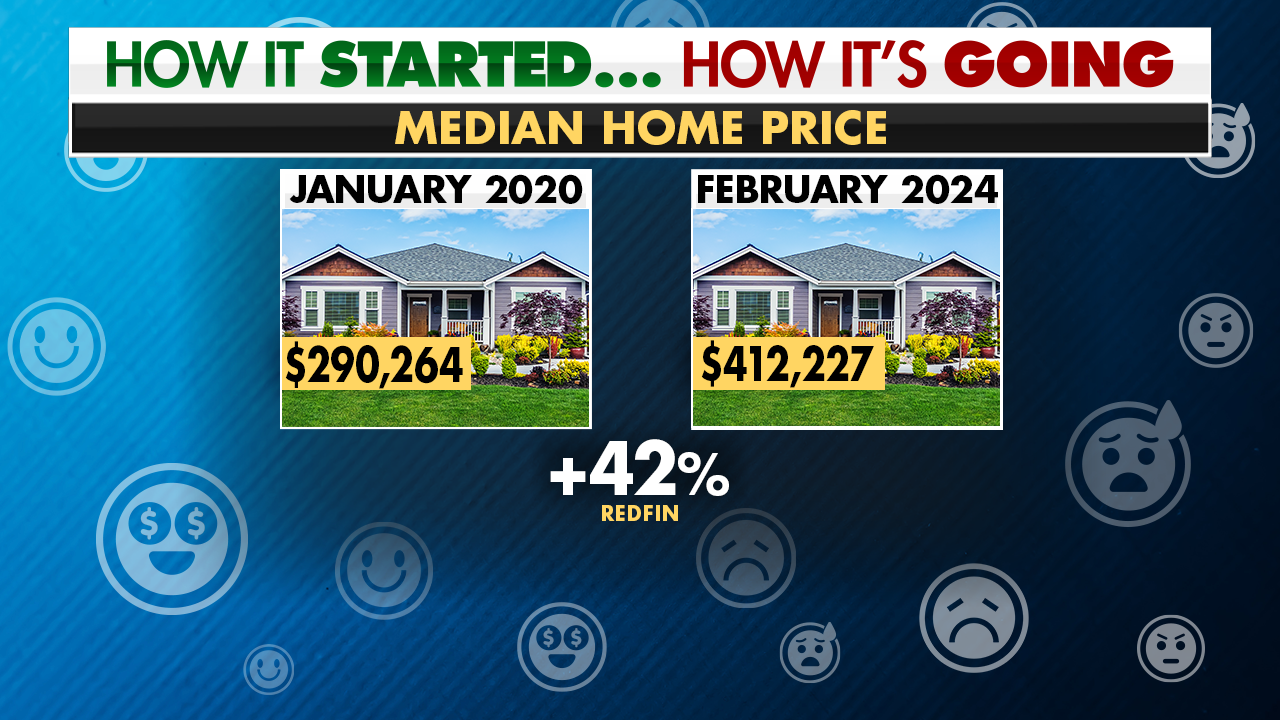
A study shows that homes in nearly half of the 50 states now require a six-figure salary to afford, marking a significant increase since Biden took office. The median price for a home is $402,343, requiring an annual income of $110,871, a 46% increase from January 2020. Factors such as limited housing supply, rising home prices outpacing wage growth, and elevated mortgage rates contribute to the affordability crisis. Housing affordability is expected to be a key issue for voters in the 2024 presidential election, prompting Biden to unveil initiatives aimed at improving affordability, including tax credits for first-time homebuyers and efforts to build and renovate more homes.
Housing affordability has become increasingly challenging for Americans due to factors beyond high mortgage rates, with the typical household now needing to earn about $106,500 annually to afford the typical home, an 80% increase from 2020. The disconnect between housing costs and wages, along with tight housing supply and restrictive land-use and zoning regulations, are contributing to the issue. Experts suggest that easing zoning restrictions and increasing housing density could help alleviate the affordability crisis, with some areas already seeing a surge in new construction due to relaxed zoning rules.