Tag

Infrasound

All articles tagged with #infrasound

Low-frequency hum decoded: ear’s backup cells drive infrasound sensation
science1 day ago

Low-frequency hum decoded: ear’s backup cells drive infrasound sensation

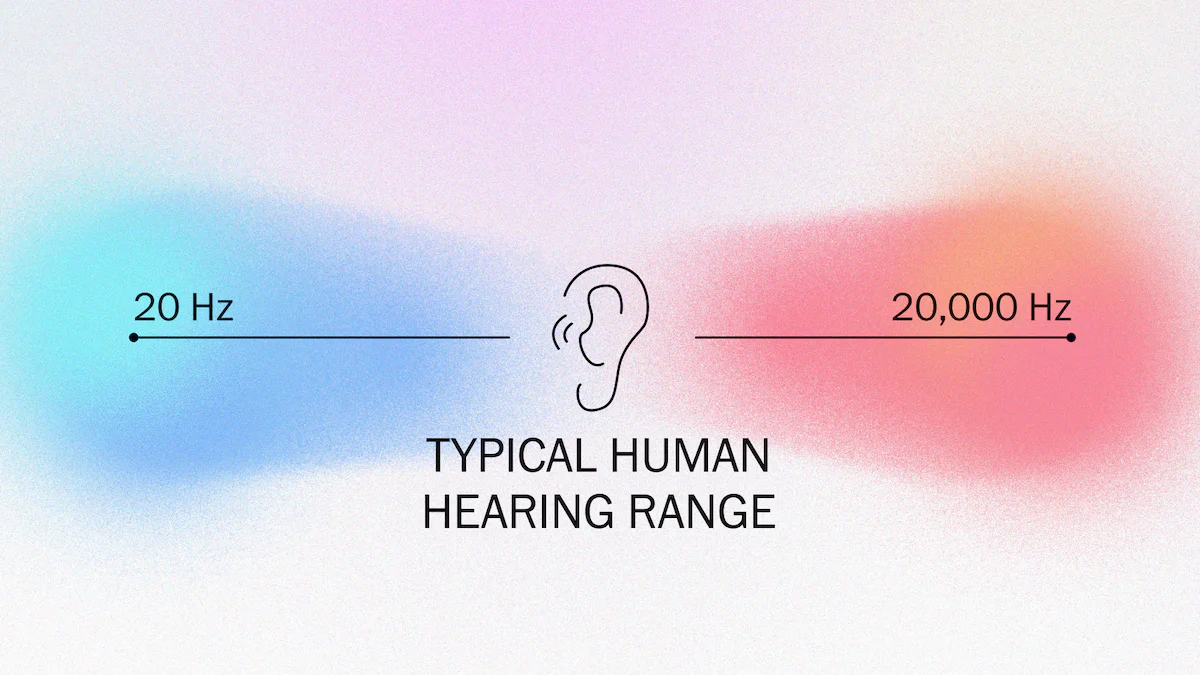
A new study reveals that infrasound is detected via a novel inner-ear pathway: when hair cells can’t respond at very low frequencies, cochlear support cells generate electric fields that trigger nerve signals, causing a nonlinear jump in perceived loudness and helping explain why some people are more sensitive to low-frequency noise like heat pumps or wind turbines.


Yellowstone’s Biscuit Basin yields a tiny eruption with new vents and boiling pool
science19 days ago

Yellowstone’s Biscuit Basin yields a tiny eruption with new vents and boiling pool

A small hydrothermal explosion at Biscuit Basin, Yellowstone, on June 13, 2026 produced a milky plume in the Firehole River, formed three sets of new vents, and created a boiling pool days later. Black Diamond Pool was not the source, and a monitoring camera captured the event as scientists confirmed hot, vented water entering the river. The area remains hazardous, Biscuit Basin has been closed since 2024, and investigators will analyze data for potential warning signs to better understand hydrothermal activity in the park.

The Global Hum: Unraveling the Persistent Low-Frequency Mystery
science28 days ago

The Global Hum: Unraveling the Persistent Low-Frequency Mystery

The global hum is a persistent low-frequency noise reported by thousands since the 1970s, with notable cases from Bristol to Taos; the Worldwide Hum Project crowdsources reports but no single cause has been identified. Theories range from external sources like microseismic activity and pipelines to perceptual factors such as low-frequency tinnitus or atypical auditory processing. A 2026 NTNU study leans toward subjective tinnitus as a plausible explanation, though researchers believe multiple causes likely exist. For now, experts advise relaxation and reducing focus on the sound rather than seeking a definitive cure.

Invisible Bassline: Infrasound May Elevate Stress and Irritability
science2 months ago

Invisible Bassline: Infrasound May Elevate Stress and Irritability

A Frontiers study shows that exposure to infrasound around 18 Hz—below the hearing range—can raise saliva cortisol and increase irritability even when people can’t consciously detect the sound, suggesting that low-frequency vibrations from ventilation or basements could contribute to “haunted” feelings. The effects occurred with brief exposure and were not linked to belief about the sound, but the researchers caution that larger, more diverse studies are needed to understand health impacts and implications for building design and noise regulations.

Low-frequency hum heightens irritability and stress hormones, study shows
science2 months ago

Low-frequency hum heightens irritability and stress hormones, study shows

Canadian researchers report that exposure to infrasound around 18 Hz (about 75–78 dB) can increase irritability and make audio seem sadder, even when the sound is not consciously detectable; the exposure also raises salivary cortisol, a stress marker, with effects persisting after mood was accounted for. The study, using 36 undergraduates in a 2×2 design (calming vs horror audio with infrasound on/off), strengthens prior mixed results by tightly controlling sound exposure and measuring both psychological and physiological responses.

Low-Frequency Noise May Fuel Haunted-House Sensations, Study Finds
science2 months ago

Low-Frequency Noise May Fuel Haunted-House Sensations, Study Finds

A Frontiers in Behavioral Neuroscience study shows that infrasound in the 17–19 Hz range can raise salivary cortisol and increase irritability, making people feel unsettled even when they can’t consciously hear the sound. Environmental sources such as pipes, HVAC, or wind turbines could contribute to alleged hauntings, but infrasound is unlikely to be the sole cause; it may be one piece of a larger combination of factors and expectations, with larger studies needed.

space2 years ago

Exploring Venus's Core with Floating Seismometers

Scientists from NASA's Jet Propulsion Laboratory and Sandia National Laboratory are proposing the use of seismometers hanging from high-altitude balloons to study the inner workings of Venus. Infrasound seismometers, which monitor infrasound pressure waves transmitted through a medium other than the ground, could pick up seismic activity in Venus' atmosphere. The high-altitude balloon would eliminate the need for materials that can survive on Venus' scorching surface. However, challenges remain, including the lack of successful balloon missions to Venus and the difficulty of validating seismic data without other sensors. Despite the potential, there are currently no plans for a mission utilizing this technology.

Unexplained, eerie sounds detected in Earth's atmosphere by balloon sensors.
science3 years ago

Unexplained, eerie sounds detected in Earth's atmosphere by balloon sensors.

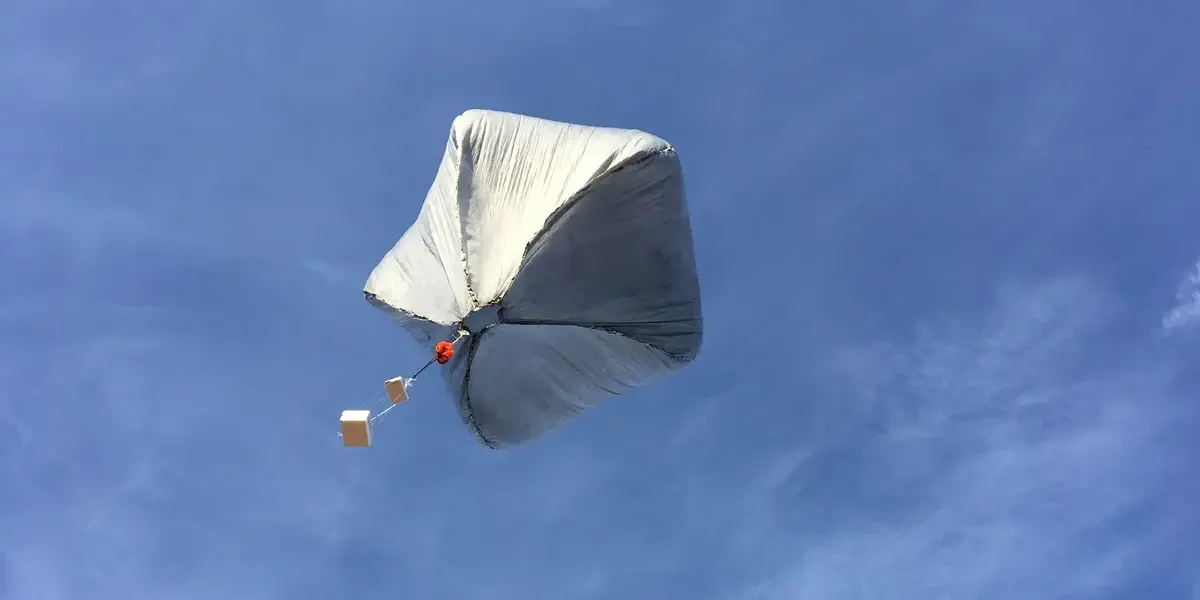
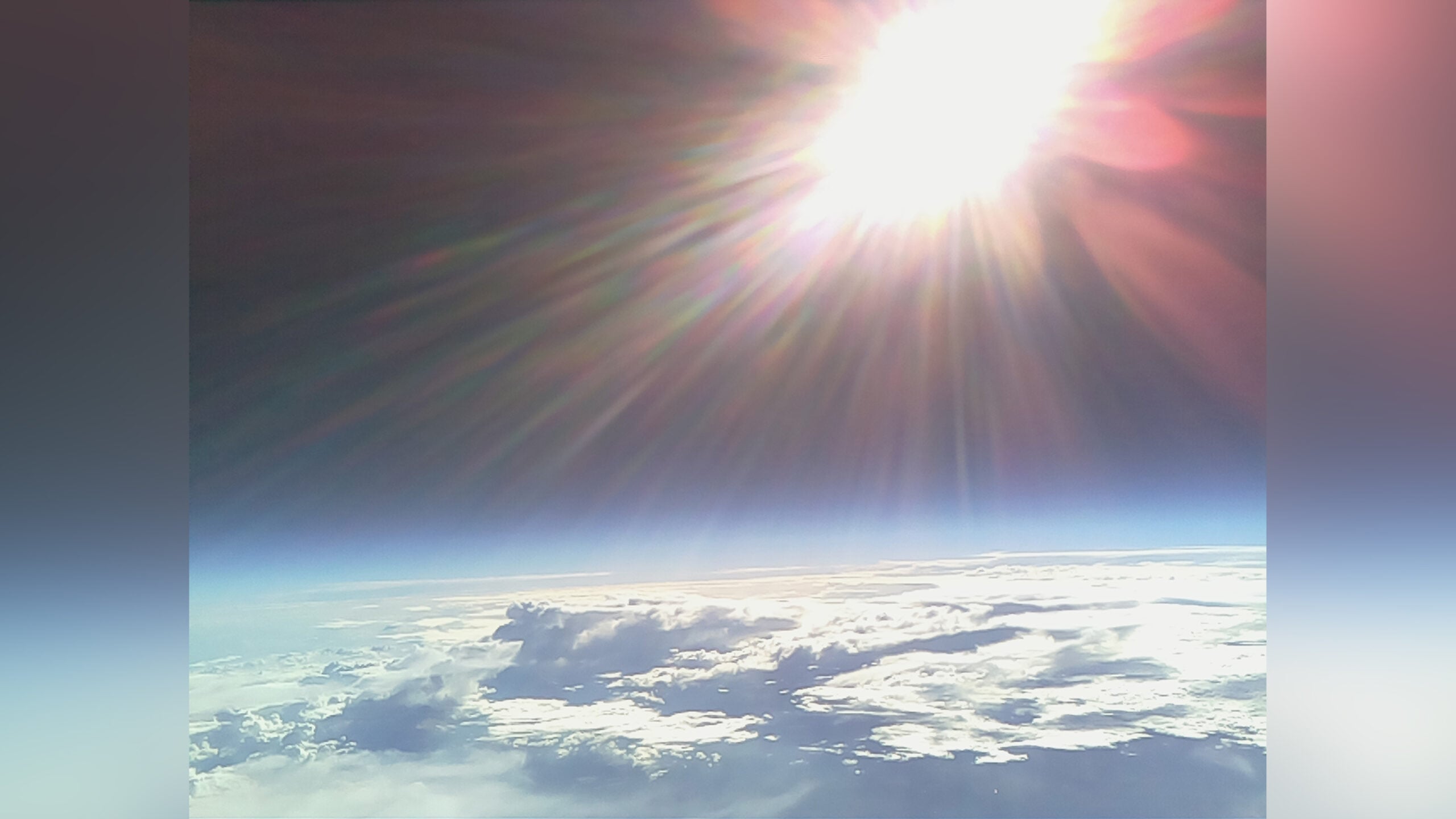
Scientists have recorded eerie sounds in Earth's stratosphere using hot air balloons fitted with microbarometers. The sounds, which repeat a few times per hour, are in the infrasound range and have unknown origins. The balloons, made from common materials, can soar around 70,000 feet over Earth and could potentially be used for more complex missions in the future. The researchers plan to continue investigating the collected data to determine the source of the mysterious noises.

Unexplained Stratospheric Noises Detected by Solar Balloons
science-and-technology3 years ago

Unexplained Stratospheric Noises Detected by Solar Balloons

Researchers from Sandia National Laboratories in New Mexico have used solar-powered balloons to capture mysterious sounds in Earth's stratosphere, including thunder, ocean waves colliding, propeller aircraft, city sounds, suborbital rocket launches, earthquakes, and several unidentified noises. The balloons carried infrasound recorders up to 70,000 feet, and some of the mysterious infrasound signals occur a few times per hour during flights, but their source remains unknown.

Unexplained, mysterious sounds detected in Earth's stratosphere by solar-powered balloons.
science3 years ago

Unexplained, mysterious sounds detected in Earth's stratosphere by solar-powered balloons.

Solar-powered balloons launched into the Earth's stratosphere have recorded a series of mysterious infrasound rumblings that scientists can't explain. The noises, detected by specialized instruments at 70,000 feet above the Earth's surface, have so far defied explanation. The researchers say they will continue to investigate the sounds in the stratosphere, tracing more sounds to their origin points and studying their variability across seasons and different regions of the world.

Mysterious Stratospheric Sounds Detected by Solar-Powered Balloons
science-and-technology3 years ago

Mysterious Stratospheric Sounds Detected by Solar-Powered Balloons

Solar-powered balloons are recording mysterious sounds in the stratosphere, including the sound of distant thunderstorms, falling meteors, or turbulence. The balloons listen to the Earth from a dozen miles up, recording in infrasound, below the human hearing range. The sounds captured include the ocean waves, earthquakes, wind turbines, and a mysterious crackling that scientists can't identify yet. The world of infrasound is vast and largely unmapped, and almost every flight picks up unidentified sounds. Anyone can fly an eavesdropping balloon, and the more eyes in the sky, the more we learn.

Unexplained Sounds Detected in Earth's Stratosphere.
science-and-technology3 years ago

Unexplained Sounds Detected in Earth's Stratosphere.

Solar balloons were sent 70,000 feet up in the air to record sounds of Earth’s stratosphere, and the microphones picked up some unexpected sounds. The balloons can take sensors twice as high as commercial jets can fly. The researchers tracked their balloons using GPS, since they can travel for hundreds of miles and land in inconvenient locations. The advantage of the high altitude reached by the balloons means that noise levels are lower and the detection range is increased — and the whole Earth is accessible.