Tag

Interplanetary Dust

All articles tagged with #interplanetary dust

"Revising the Map: New Discoveries Suggest the Kuiper Belt's Vast Expansion"
space2 years ago

"Revising the Map: New Discoveries Suggest the Kuiper Belt's Vast Expansion"

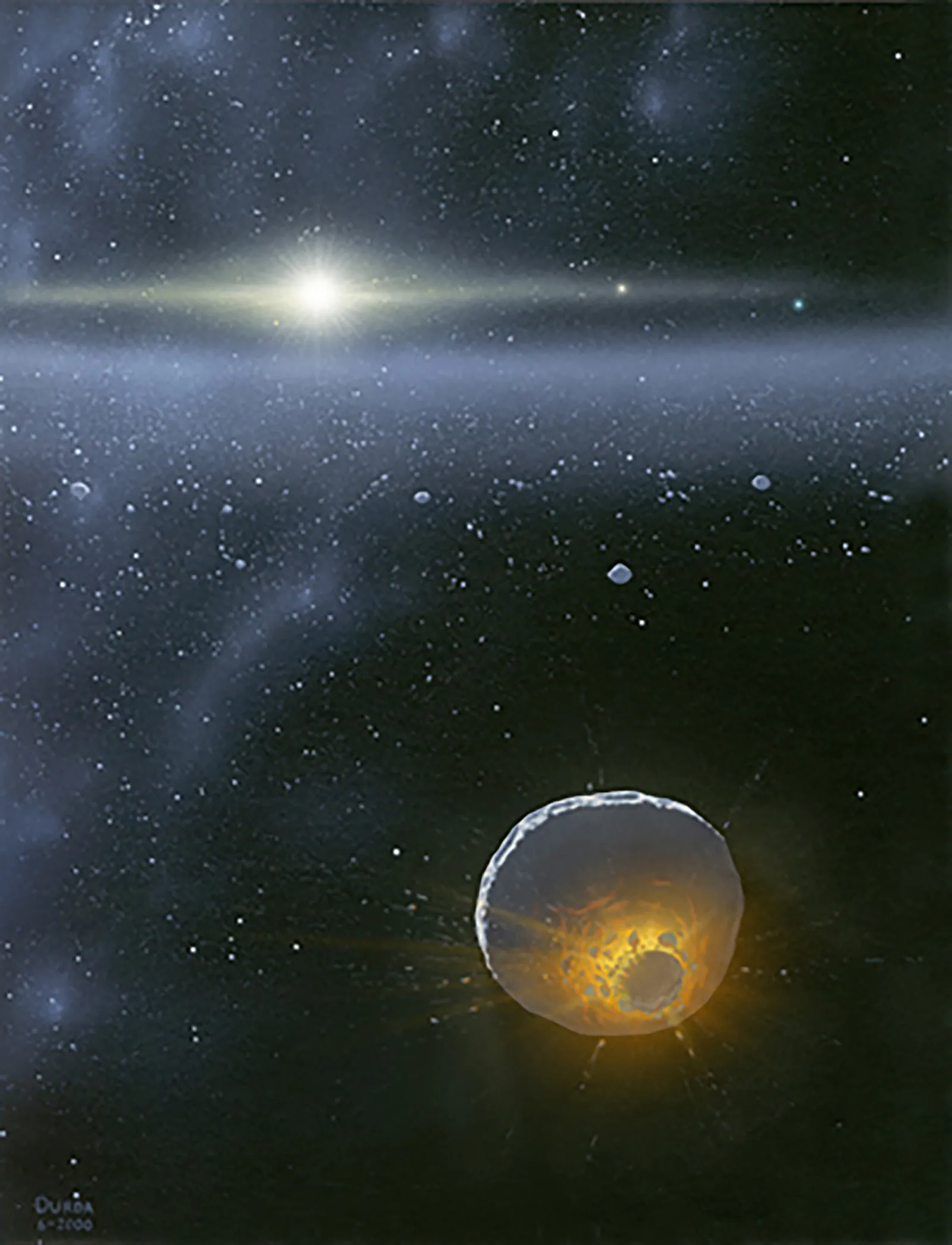
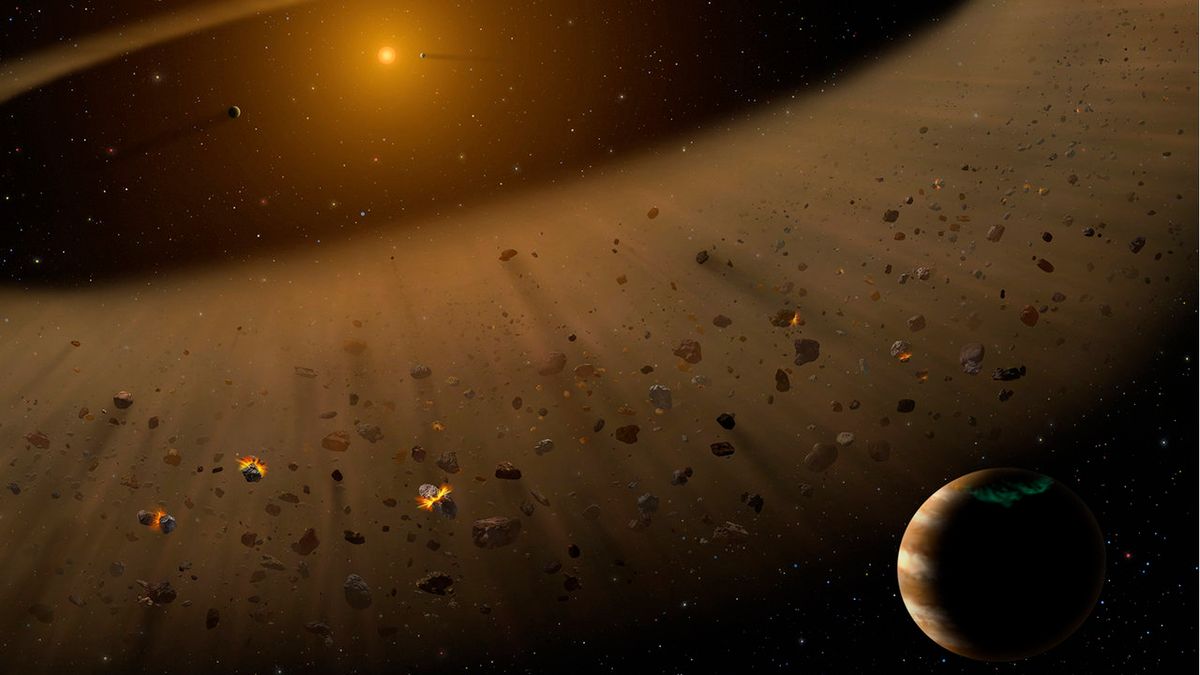
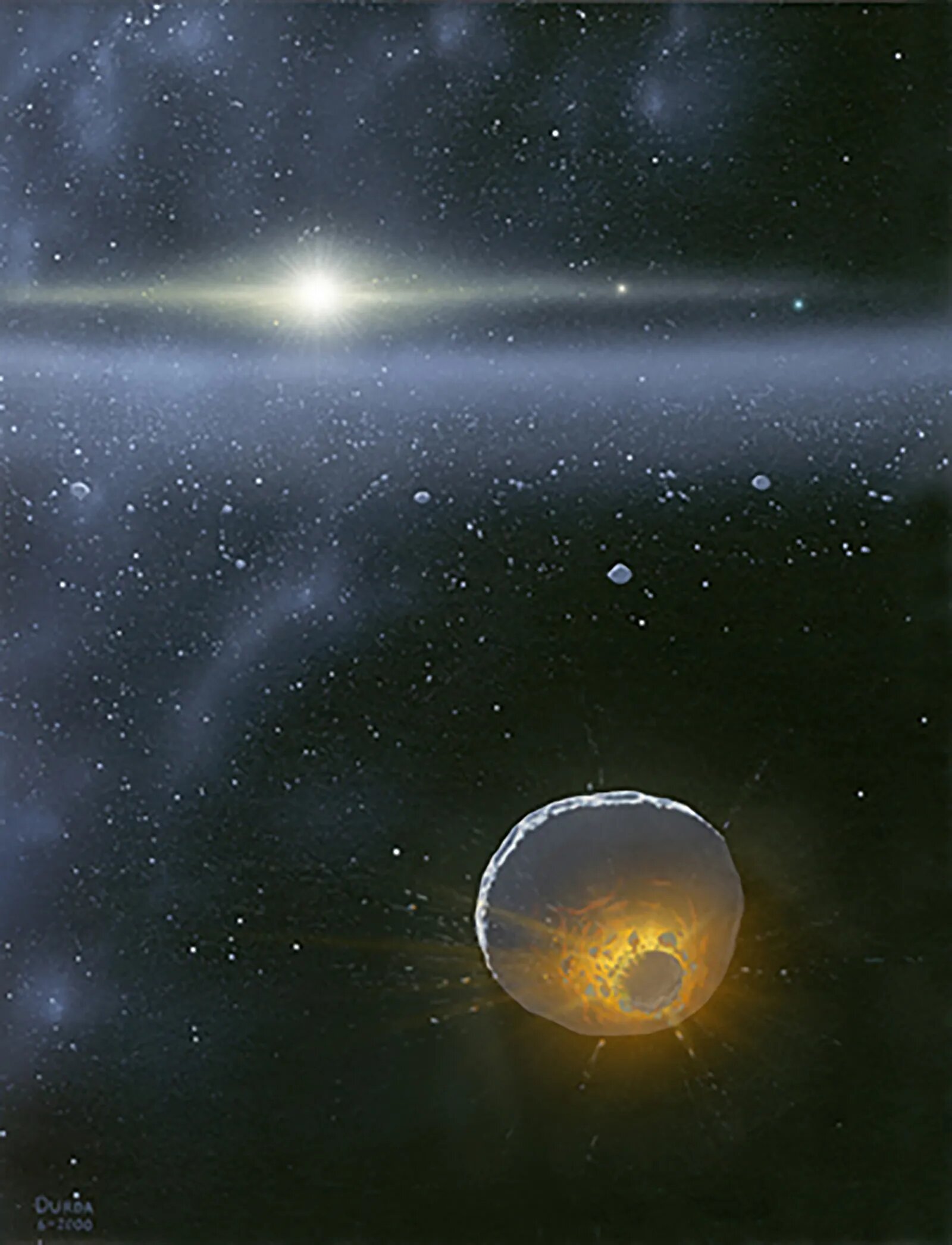
NASA's New Horizons mission, currently in the Kuiper Belt, has encountered a surprising amount of interplanetary dust, suggesting that the Kuiper Belt may be much larger than previously thought. This challenges existing maps of the outer solar system and raises questions about the composition and extent of this region. New Horizons' observations, along with data from ground-based telescopes, indicate the presence of numerous icy objects beyond the Kuiper Belt, hinting at the possibility of a wider Kuiper Belt or even a second belt. These findings could reshape our understanding of the outer solar system, with implications for future space exploration.
"New Horizons Unveils Surprising Secrets of the Kuiper Belt"
space-exploration2 years ago

"New Horizons Unveils Surprising Secrets of the Kuiper Belt"

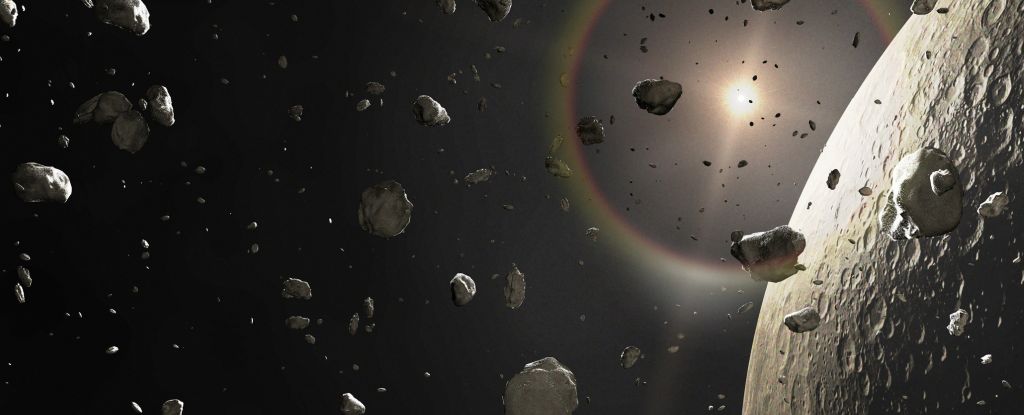
NASA's New Horizons probe has discovered unexpected levels of particles in the Kuiper Belt, hinting at an extended and denser region than previously estimated. This suggests a new population of objects colliding and producing more dust, providing valuable insights into the outer Solar System. The probe's findings challenge current understanding and could lead to a better comprehension of our planetary system and others in the wider galaxy.

"Dusty Clues: NASA's New Horizons Explores Extended Kuiper Belt"
astronomy2 years ago

"Dusty Clues: NASA's New Horizons Explores Extended Kuiper Belt"

NASA's New Horizons spacecraft has detected higher than expected levels of interplanetary dust in the Kuiper Belt, suggesting that the outer edge of the main Kuiper Belt could extend billions of miles farther than current estimates. The findings challenge existing scientific models and hint at the possibility of a second belt beyond the known one. The spacecraft's observations, made using the Venetia Burney Student Dust Counter instrument, offer new insights into the collision rates of asteroids, comets, and Kuiper Belt objects in the outer solar system, and may lead to further discoveries about the solar system's most distant regions.

"Dusty Clues: NASA's New Horizons Explores Extended Kuiper Belt"
space-exploration2 years ago

"Dusty Clues: NASA's New Horizons Explores Extended Kuiper Belt"

NASA's New Horizons spacecraft has detected higher levels of interplanetary dust in the Kuiper Belt, suggesting that the outer edge of the main Kuiper Belt could extend billions of miles farther than current estimates. The findings challenge existing scientific models and hint at the possibility of a second belt beyond the known one. The spacecraft's observations, made using the Venetia Burney Student Dust Counter instrument, offer new insights into the collision rates of objects in the outer solar system and may lead to discoveries about the solar system's most distant regions.

NASA Probe Captures Stunning Footage of Sun's Intense Plasma Burst
space-science3 years ago

NASA Probe Captures Stunning Footage of Sun's Intense Plasma Burst

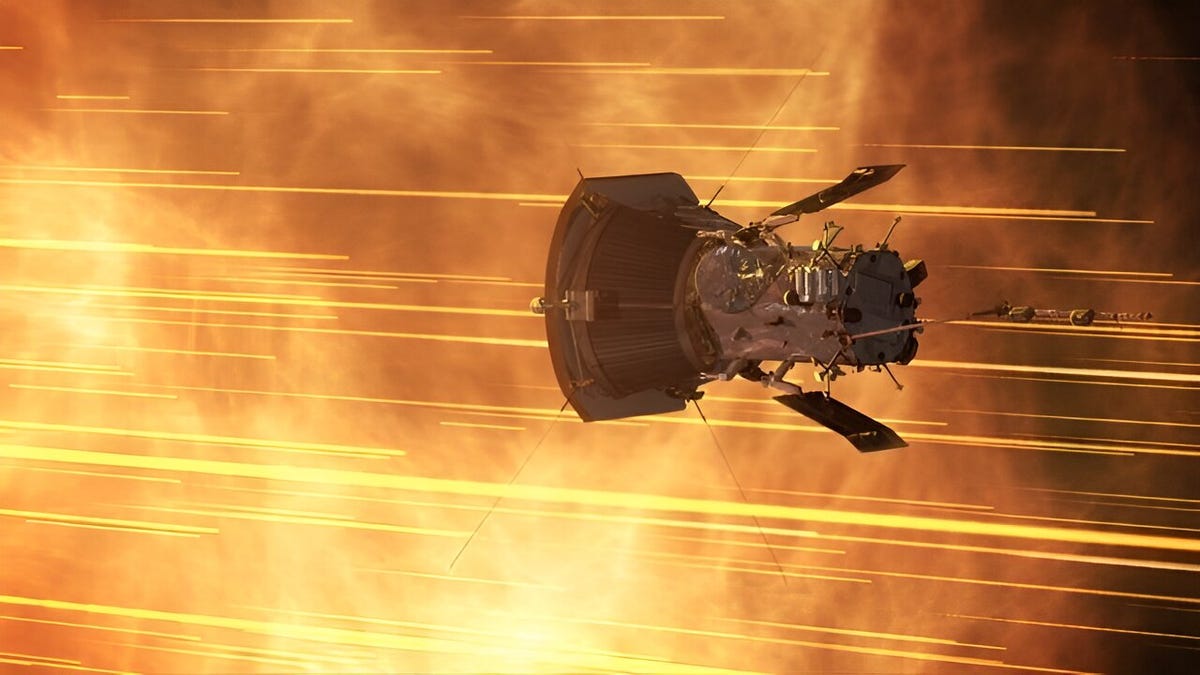
NASA's Parker Solar Probe flew through a powerful coronal mass ejection (CME) and observed how it interacted with interplanetary dust, clearing the dust out to about 6 million miles from the Sun. The probe's data confirmed a theory from two decades ago and provided new insights into the dynamics of the Sun's superheated plasma and its interaction with surrounding dust. The Parker Solar Probe, named after Eugene Parker, will continue to study the Sun and gather more information during its ongoing mission.

"Spacecraft Alliance: Probing Solar Explosions and Solving the Sun's Mysteries"
space-science3 years ago

"Spacecraft Alliance: Probing Solar Explosions and Solving the Sun's Mysteries"

NASA's Parker Solar Probe has observed a powerful coronal mass ejection (CME) interacting with interplanetary dust, confirming a 20-year-old theory. The probe's observations showed the CME acting like a vacuum cleaner, clearing the dust out of its path. This discovery has implications for space weather predictions and could help scientists better understand the dynamics of CMEs and their impact on Earth. The observations were made using Parker's Wide-field Imager for Solar Probe (WISPR) camera, which detected decreased brightness due to dust depletion. Further studies are needed to fully understand these interactions.