Tag

Ischemic Stroke

All articles tagged with #ischemic stroke

Lacunar stroke may stem from widening of brain arteries, not blockages
health17 days ago

Lacunar stroke may stem from widening of brain arteries, not blockages

A new study finds lacunar strokes are more strongly linked to widening and elongation of small brain arteries and microvascular damage (cerebral small vessel disease) than to narrowing of large arteries. This challenges the standard focus on preventing artery blockages and suggests current antiplatelet/statin therapies may be less effective for this stroke type. The findings also highlight a need for treatments targeting microvascular health, with the LACI-3 trial testing cilostazol and isosorbide mononitrate to protect small vessels and reduce cognitive decline.

Sandra Lee, Dr. Pimple Popper, Reveals On-Set Stroke and Recovery Journey
health1 month ago

Sandra Lee, Dr. Pimple Popper, Reveals On-Set Stroke and Recovery Journey

Dr. Sandra Lee (Dr. Pimple Popper) revealed she suffered an ischemic stroke on the set of her Lifetime series Dr. Pimple Popper: Breaking Out last November. She initially mistook symptoms for a hot flash, later experienced left-side weakness and trouble speaking, and an MRI confirmed the stroke. She paused filming, spent two months in physical and occupational therapy, and by January was back to work, though she still deals with left-hand dexterity issues and occasional slurred speech.

Dr. Pimple Popper’s On-Set Stroke Sparks Health Wake-Up Call
entertainment1 month ago

Dr. Pimple Popper’s On-Set Stroke Sparks Health Wake-Up Call

Dr. Sandra Lee revealed she suffered an ischemic stroke during Season 2 filming of Dr. Pimple Popper, causing a two-month production pause. An MRI confirmed the stroke after she experienced slurred speech and weakness; she recovered with physical and occupational therapy and later spoke of PTSD from the incident. Lee now urges viewers to monitor blood pressure, cholesterol, and stress, calling the episode a “blessing in disguise” that reminded her to take better care of her health.

Amphetamines May Triple Stroke Risk in Under-55s, Cambridge Study Finds
science2 months ago

Amphetamines May Triple Stroke Risk in Under-55s, Cambridge Study Finds

A Cambridge-led systematic review of eight studies and over 100 million individuals links recreational use of amphetamine, cocaine, and cannabis to higher stroke risk, with amphetamines showing the strongest association and under-55 users facing a nearly threefold increase. Cocaine also doubles risk, cannabis raises risk modestly (especially for ischemic stroke), while opioids show no clear link. Genetic analyses support a causal relationship for some stroke types, but many findings rely on self-reported data and can be influenced by confounding factors; results vary by age and stroke type, and further research is needed.

Mediterranean Diet Linked to Lower Stroke Risk, Including Bleeding Strokes, in a 20-Year Study
health2 months ago

Mediterranean Diet Linked to Lower Stroke Risk, Including Bleeding Strokes, in a 20-Year Study

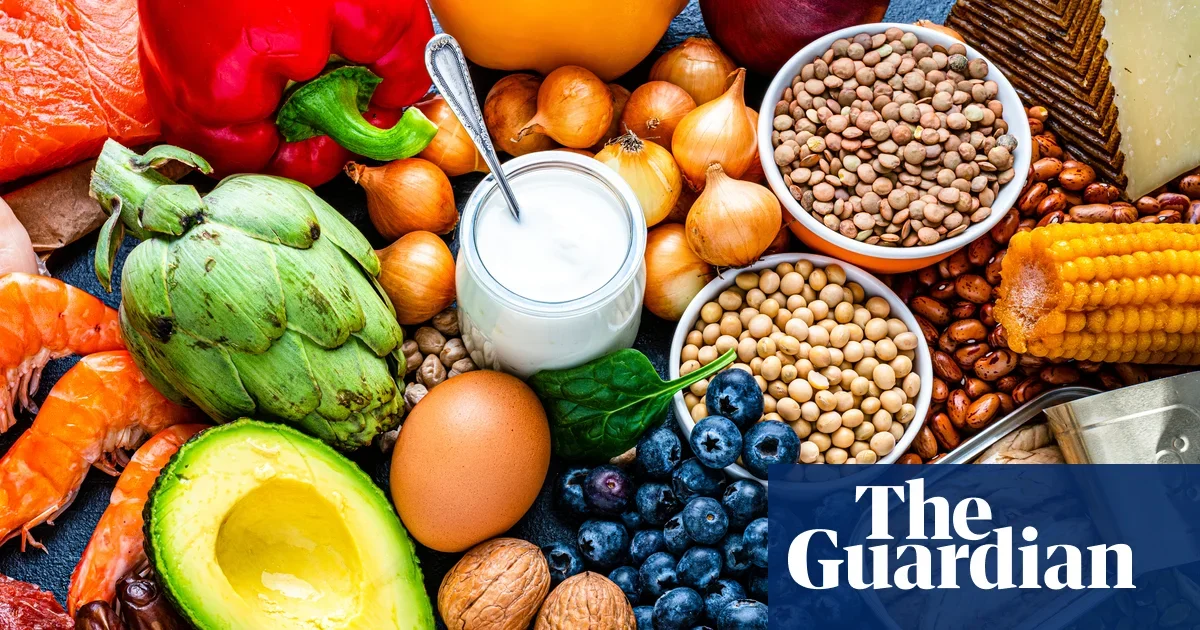
A long-term study of more than 100,000 women over about 21 years found that closer adherence to a Mediterranean-style diet—rich in fruits, vegetables, beans, fish and olive oil—was linked to an 18% lower risk of any stroke, with a 16% reduction for ischemic (clot-related) strokes and a striking 25% lower risk of hemorrhagic (brain-bleeding) strokes. The association held after adjusting for smoking, physical activity and blood pressure, suggesting diet is linked to better brain health, though causality can’t be proven.

Mediterranean Diet Cuts Stroke Risk in Women, Study Finds
health3 months ago

Mediterranean Diet Cuts Stroke Risk in Women, Study Finds

A long-running study of more than 100,000 women over more than 20 years found that strong adherence to a Mediterranean-style diet lowers overall stroke risk by 18%, with a 25% reduction in hemorrhagic stroke risk and a 16% reduction in ischemic stroke risk, suggesting this eating pattern supports brain health by reducing blood pressure, cholesterol and inflammation.

Two-Decade Mediterranean Diet Linked to Lower Stroke Risk Across Types
health3 months ago

Two-Decade Mediterranean Diet Linked to Lower Stroke Risk Across Types

A 21-year study of 105,614 California women found that higher adherence to a Mediterranean diet—rich in olive oil, nuts, seafood, whole grains and vegetables—was linked to lower risk of total stroke, including ischemic and hemorrhagic types, with up to a 25% reduction for hemorrhagic stroke; while not proving causation, experts say the findings support dietary approaches to stroke prevention, though limitations include self-reported diet and only female participants.

"Dr. Oz's Insights on Stroke Risk Awareness"
health2 years ago

"Dr. Oz's Insights on Stroke Risk Awareness"

Dr. Oz explains that around 15% of ischemic strokes occur in young adults, and 34% of stroke hospitalizations involve individuals under 65. The main causes of stroke include high blood pressure, high LDL cholesterol, obesity, diabetes, head or neck trauma, irregular heartbeat, and smoking. To reduce the risk, it's important to maintain a healthy lifestyle by staying physically active, following a plant-based diet, maintaining a healthy weight, avoiding smoking and vaping, and regularly monitoring cholesterol levels and blood pressure. It's also crucial to take prescribed medications for diabetes and heart disease, limit alcohol consumption, and stay in touch with healthcare providers to prevent a second stroke.

Study Finds Healthcare Disparities Impact Stroke Treatment
health2 years ago

Study Finds Healthcare Disparities Impact Stroke Treatment

A Yale-led study has revealed that patients who suffer strokes following cardiac interventions are less likely to receive the most effective stroke treatment, EVT. The study analyzed a nationwide database and found that less than two percent of these patients were treated with EVT, which is the only effective treatment for such cases. The risk of stroke varies for different cardiac interventions, and the study suggests that patients who had both a cardiac intervention and ischemic stroke and were then treated with EVT were twice as likely to be discharged home. The researchers also discussed the challenges in detecting strokes among cardiac patients and emphasized the importance of closer monitoring and prevention efforts.

Study Finds Adding Blood Thinners to Clot-Busting Meds Does Not Improve Stroke Outcomes
health2 years ago

Study Finds Adding Blood Thinners to Clot-Busting Meds Does Not Improve Stroke Outcomes

A study from the Washington University School of Medicine in St. Louis found that adding blood thinners to clot-busting medication did not improve outcomes for people with ischemic stroke. The research, presented at the American Stroke Association’s International Stroke Conference 2024, involved participants receiving standard clot-busting medication and either a blood thinner or a placebo. The study showed that the addition of blood thinners did not improve physical function at 90 days after a stroke, and the trial was stopped after the first 500 participants. Despite the negative outcome, the study also revealed that the blood thinners did not significantly increase the risk of bleeding into the brain, providing valuable insights for future research in ischemic stroke treatment.

"Enhancing Large-Vessel Stroke Treatment: Methylprednisolone's Role Unveiled"
medical-research2 years ago

"Enhancing Large-Vessel Stroke Treatment: Methylprednisolone's Role Unveiled"

A randomized clinical trial involving 1680 patients with acute ischemic stroke due to large-vessel occlusion found that adjunctive intravenous methylprednisolone, when added to endovascular thrombectomy, did not significantly improve overall disability at 90 days. However, the methylprednisolone group showed lower mortality rates and a lower incidence of symptomatic intracranial hemorrhage compared to the placebo group. The study suggests that while methylprednisolone did not significantly improve disability outcomes, it may have potential benefits in reducing mortality and intracranial hemorrhage in this patient population.

"Ginkgo Biloba Compound: A Promising Treatment for Stroke-Related Cognitive Recovery"
health2 years ago

"Ginkgo Biloba Compound: A Promising Treatment for Stroke-Related Cognitive Recovery"

A preliminary study conducted in China suggests that intravenous injections of ginkgo biloba components, specifically ginkgo diterpene lactone meglumine (GDLM), could significantly improve early cognitive recovery in ischemic stroke patients. The study, funded by the drug's manufacturer, found that stroke survivors treated with GDLM showed significant cognitive improvement over those receiving a placebo, indicating potential benefits for post-stroke recovery. While the results are promising, further research is needed to confirm the safety and effectiveness of GDLM before considering clinical use, emphasizing the importance of cautious integration of complementary medicines into cardiovascular care.

"Early DAPT Within 72 Hours Shows Promise for Improved Stroke Outcomes"
health-and-medicine2 years ago

"Early DAPT Within 72 Hours Shows Promise for Improved Stroke Outcomes"

A study published in the New England Journal of Medicine found that taking clopidogrel-aspirin within 72 hours of a mild ischemic stroke or high-risk TIA significantly reduces the risk of new strokes compared to aspirin alone, but doubles the risk of moderate to severe bleeding. The INSPIRES trial, which excluded patients with certain types of strokes or treatments, suggests that the benefits of dual antiplatelet therapy extend to a wider time window than previously considered, although caution is advised for patients with a history of bleeding.