Trump said the Iran war could end immediately after the US midterm elections, while the US signals more strikes, downplays renewed nuclear talks, and warns Iran about pursuing a weapon as oil prices rise.
Heather Cox Richardson argues that Donald Trump's Iran policy reflects a cowboy-style foreign policy that undermines the modern American state and risks widening the conflict, as Trump and his advisers dispute strategy while Camp David signals stronger strikes. The piece criticizes Defense Secretary Pete Hegseth's push to rewrite doctrine into a 'warrior ethos' that would discard the Geneva Conventions, warns of a return to extralegal tactics, and notes growing concerns about the ICC and accountability. It also points out that U.S. strikes have not halted drug trafficking and cites a mismatch between rhetoric and results, with signs the U.S. remains undermined on the world stage due to the prioritization of force over expertise and diplomacy.
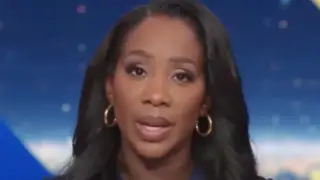
CNN's Abby Phillip argues that Trump's Iran memorandum foreseeing a 60-day negotiation mirrors Barack Obama's 2015 JCPOA, pointing to IAEA inspectors back in and sanctions relief as part of the framework; a CNN panel debates whether this constitutes a real breakthrough and contrasts it with the Obama deal amid partisan critique.
Trump, Rubio and Vance back a 14-point memorandum of understanding with Iran that would make frozen funds fully available and terminate sanctions upon implementation, including waivers for oil sales; officials say the accord is different from JCPOA and is largely performance-based, but critics warn it could unlock billions for Tehran and reward a state sponsor of terrorism.
Richardson argues the Trump administration is mired in self-inflicted mistakes: the Versailles MOU with Iran is widely labeled a disaster that yields no real gains and rekindles JCPOA-era debates, while Iran’s sanctions relief and inspections play into a fragile balance. Domestically, Trump pushes the federal government against opponents—installing Bill Pulte as acting DNI and pursuing aggressive staff moves—amid reports of voting-machine vulnerabilities and a DOJ push on voting groups; courts have blocked the SAVE system from vetting state voter rolls. Coupled with right-wing backlash, media feuds, and GOP fractures (exemplified by Tucker Carlson’s exit), Richardson sees growing public pushback against the administration, even as memes mock the Reflecting Pool fiasco and officials defend their actions.
Iran has agreed to allow IAEA inspectors back into the country as US-Iran negotiations move toward a final deal, with mediators saying progress is solid and a 60-day roadmap is in place; the memorandum of understanding includes reopening the Strait of Hormuz and establishing a de-confliction mechanism to end fighting on all fronts, including Lebanon, while technical talks continue.
Exclusive polling suggests Benjamin Netanyahu’s influence in Washington is waning as Trump’s Iran détente shifts US-Israel policy, while American support for Israel declines, signaling a realignment in the relationship.
Trump touts a 14-point memorandum of understanding with Iran aimed at extending a ceasefire, lifting sanctions, and funding reconstruction, plus reopening the Strait of Hormuz, but analysts say it is only a preliminary framework with a 60-day negotiation window, lacking detailed nuclear-enrichment limits or a robust verification regime, and its difference from the Obama-era JCPOA remains uncertain.
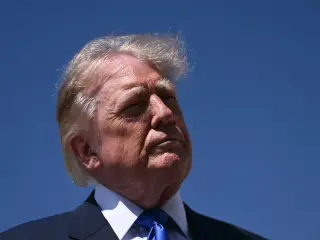
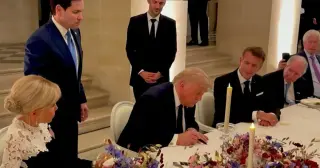
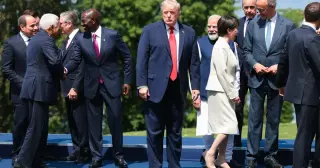
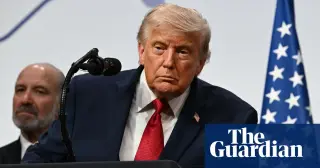
At the G7 summit in Evian, a visibly tired Trump touted a new Iran ceasefire package he says achieves all his goals, including a $300 billion reconstruction fund, immediate sanctions relief, and Iran’s pledge to reopen the Strait of Hormuz within 30 days, while broader nuclear talks would proceed over the next 60 days with possible renewals. Analysts argue the agreement is not the JCPOA but a framework that concedes far more than the original deal and could effectively lift pressure on Tehran without a verifiable nonproliferation path. Trump’s remarks ranged from rambling to self-praising as he faced questions from reporters, with Macron hosting and a Versailles dinner signaling the summit’s close.
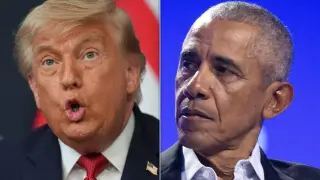
At a G7 briefing in France, President Trump lashed out at Obama over the 2015 Iran deal, touting his own still-to-be-finalized memorandum, using a profanity about Obama, and contesting details about a proposed reconstruction fund while warning Tehran.
Trump’s emerging Iran nuclear deal could impose fewer restrictions than Obama’s 2015 JCPOA, as the memo of understanding only requires Tehran’s stockpile of near-bomb-grade uranium to be “adequately addressed,” leaving key fissile material questions unresolved. With a 60‑day negotiation window, the agreement would lift sanctions and unlock Iran’s assets, a trade-off that has met GOP criticism and raises concerns about verification and inspections since last year’s US‑Israeli actions. The exact limits on enrichment, snap inspections, and enforcement remain unclear, making it uncertain whether the deal can match or surpass the constraints of the Obama-era agreement while shaping the broader Middle East energy and security dynamics.
Trump’s administration released the text of a 14-point plan with Iran, arguing it delivers a major win by offering sanctions relief, unfrozen assets, and a Gulf-backed reconstruction fund in return for Iran down-blending enriched uranium and limiting its nuclear program, plus a 60-day ceasefire and temporary reopening of the Strait of Hormuz; while some allies praised the move, critics warned it concedes too much and a formal signing remains uncertain.
Bipartisan lawmakers are pressing for the text of a memorandum with Iran and a congressional vote on any deal affecting the Iranian nuclear program, warning that a secret executive agreement could undermine long-term oversight. The White House says the memorandum should be released by Friday with a briefing to follow, while some Republicans caution against bypassing Congress and others advocate a formal vote. The article also notes ongoing scrutiny of Jay Clayton’s potential DNI confirmation and a push to move a bipartisan housing bill this week.
Trump’s Islamabad Memorandum of Understanding reportedly opens a 60-day ceasefire with Iran and toll-free access through the Strait of Hormuz, but critics say it hands Tehran a strategic win, leaves the JCPOA issue unresolved, and risks undoing any US leverage as Gulf security dynamics and regional alliances shift.
Senate Republicans are demanding more details and a formal vote on the Trump administration’s Iran deal, insisting the memorandum of understanding be released and reviewed by Congress since any agreement impacting Iran’s nuclear program would not be binding without congressional action. Democrats largely pace themselves, while some Republicans express cautious optimism about ending hostilities, the lack of text and the push for a legislative process remain central.