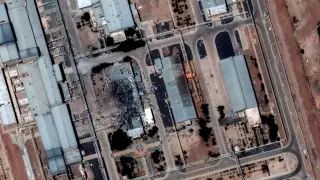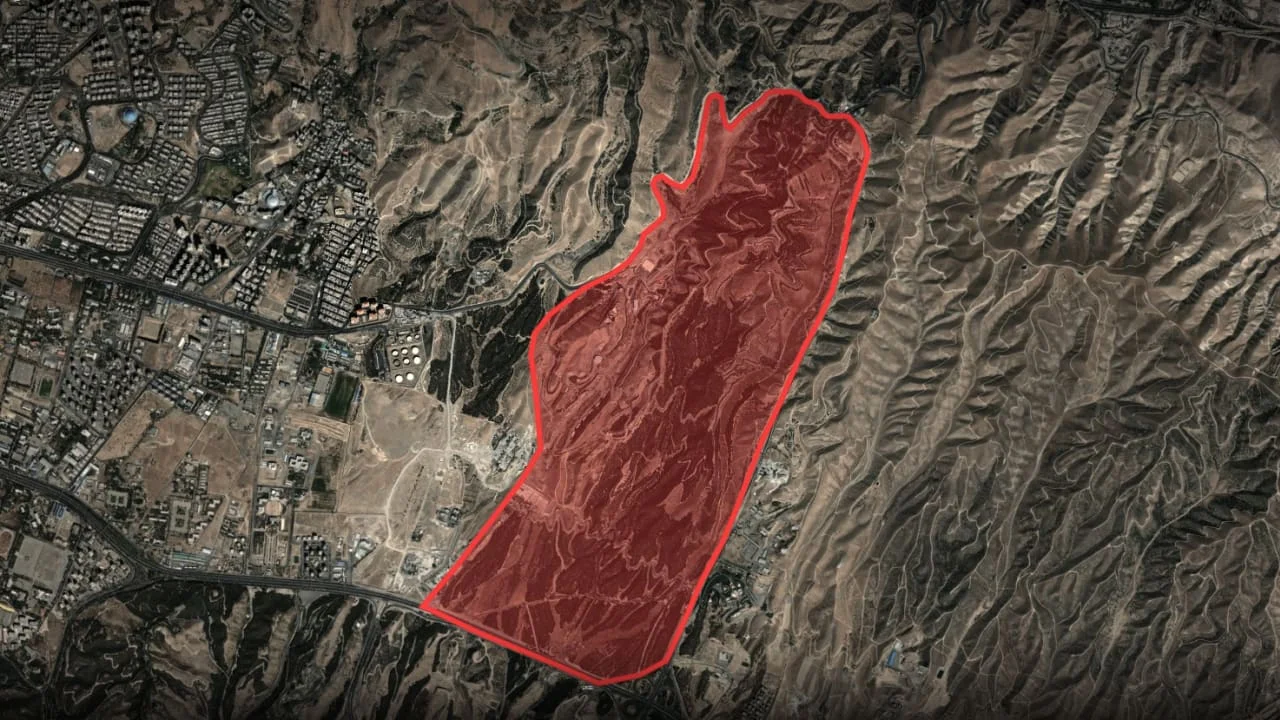
Israel's military says it destroyed a secret Iranian nuclear weapons development site near Tehran, named Min Zadai, and that the air force has knocked out around 300 Iranian missile launchers since the war began.
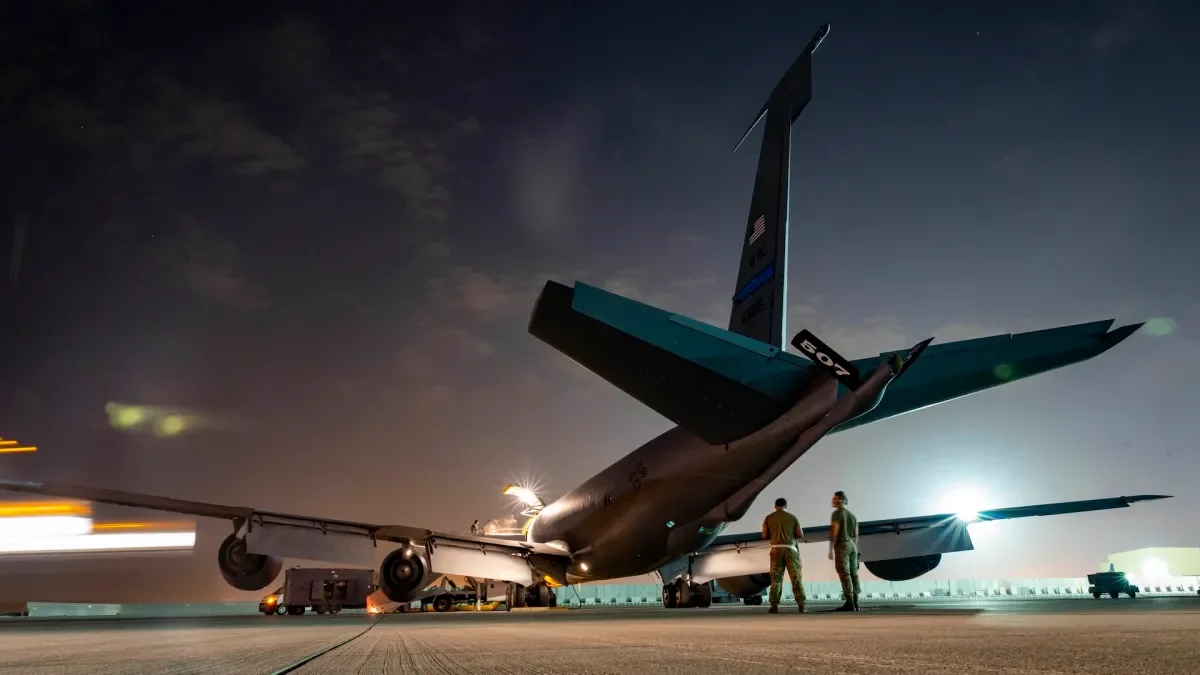
Amid rising tensions with Iran, the U.S. is repositioning and expanding its forces in the Middle East, moving air-refueling assets from Al Udeid and deploying carriers, fighters, and support aircraft across the region and Europe; Washington has also urged U.S. citizens to depart Israel as diplomacy continues and a potential military action against Tehran looms, with ongoing mediation in Geneva and substantial-progress claims but no final deal yet.
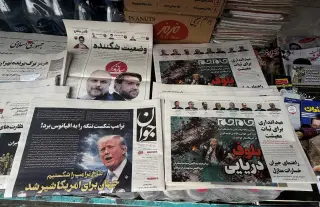
Iran pushed back against Trump’s pressure ahead of Geneva talks on Tehran’s nuclear program, calling his remarks “big lies” while leaving room for “honorable diplomacy.” The United States has assembled its largest Middle East military buildup in decades as negotiations approach, and Iranian officials warned that diplomacy is possible if mutual respect is maintained, but warned of consequences if the U.S. attacks. Talks in Geneva, mediated by Oman, will involve Iran’s foreign minister and the U.S. envoy, with outcomes uncertain amid heightened regional tension.
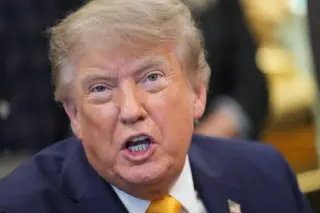
Trump told NBC that Iran's Supreme Leader Ali Khamenei should be very worried, arguing U.S. intervention helped deter Iran by destroying nuclear facilities and saying peace in the Middle East hinges on dismantling Iran's nuclear program, while warning Tehran against rebuilding sites as US-Iran talks were disrupted.
The UN has reimposed sanctions on Iran due to its non-compliance with nuclear commitments, marking the conclusion of the snapback process initiated in August 2025, with calls for Iran to engage in good-faith negotiations.
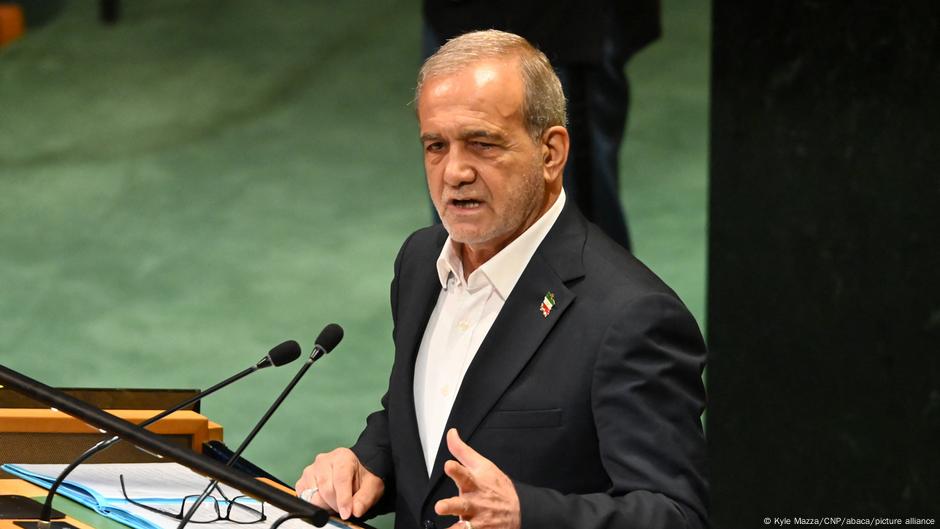
At the UN General Assembly, Iran's president stated Iran does not seek nuclear weapons, while Zelenskyy warned of a destructive arms race and Russia's expansion in Ukraine. The meeting also covered issues like Iran's nuclear program, Ukraine's security, and regional conflicts, with global leaders calling for diplomacy and peace efforts.
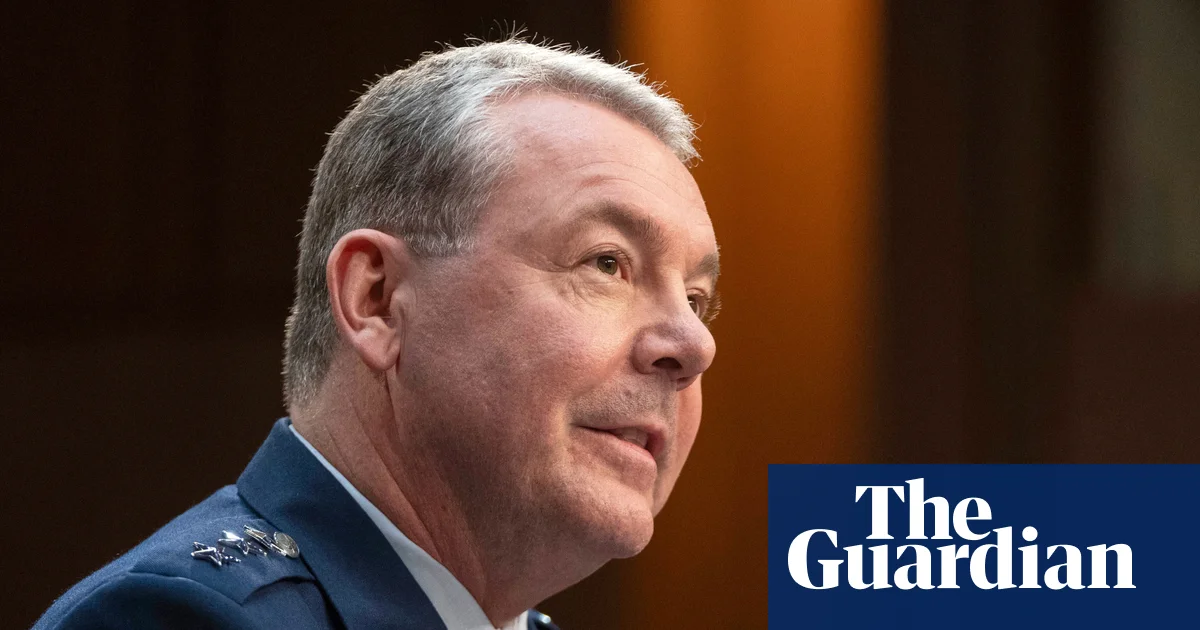
US Defense Secretary Pete Hegseth has dismissed Lt Gen Jeffrey Kruse, head of the DIA, following a leaked intelligence report that suggested Iran's nuclear program was only slightly impacted by US strikes, contradicting Trump's claims of complete destruction. This firing is part of a broader pattern of dismissals and upheavals within the US military and intelligence agencies under the Trump administration, often without public explanation.
Prime Minister Netanyahu is returning to Israel from Washington, expressing hope for a hostage deal within days and announcing plans to negotiate a permanent ceasefire in Gaza after 60 days, contingent on Hamas disarmament. The article also covers recent developments including a West Bank terror attack by Palestinian Authority police officers, Israeli concerns over Iran's nuclear sites, and regional military tensions.
Israeli and US strikes have significantly damaged Iran's metallization facilities at Isfahan, hindering its ability to produce nuclear bomb cores, a consequence linked to Trump's withdrawal from the 2015 Iran nuclear deal, which critics say led Iran to accelerate nuclear weapons development.
The Pentagon disclosed details of a secret US operation targeting Iran's nuclear facilities, including a 15-year effort to develop a weapon to destroy the Fordo site, and described the successful bombing of ventilation shafts with 12 bombs. While Iran's nuclear program was reportedly set back by months, some damage may be less severe. Additionally, US forces in Qatar defended against Iranian missile attacks, marking a significant Patriot missile engagement.
The Trump administration criticized journalists for their coverage of a leaked intelligence report on the U.S. strike on Iranian facilities, with officials accusing the media of undermining the operation and spreading misinformation, while also emphasizing that credible intelligence confirms Iran's nuclear capabilities were damaged.
The article discusses recent events in US politics, including a successful raid on Iranian nuclear facilities and a story about measles in Texas, raising questions about American civic health and the consequences of political luck.
President Trump decided to delay a potential military strike on Iran for up to two weeks to explore diplomatic options amid escalating tensions, balancing military considerations with a desire to avoid prolonged conflict, while navigating internal and international pressures.
The article discusses the risks associated with bombing nuclear sites, emphasizing that while such attacks could disperse radioactive uranium particles locally and pose health risks to nearby populations, they are unlikely to cause large-scale nuclear incidents or environmental contamination comparable to nuclear disasters like Chernobyl or Fukushima. The main concern is the release of radioactive particles and chemical hazards from uranium hexafluoride, but the overall environmental impact would be limited to the immediate vicinity.
President Trump and Tulsi Gabbard have conflicting statements about Iran's nuclear capabilities, with Trump claiming Iran is 'very close' to obtaining a nuclear weapon, while Gabbard, citing intelligence, states Iran is not currently building one. Experts suggest Iran could produce weapons-grade uranium in about a week, but developing a deliverable nuclear weapon would take several months or more. The overall assessment indicates Iran is close to nuclear breakout but has not yet weaponized its program.