Tag

Killifish

All articles tagged with #killifish

Aging in Steps: Behavior Predicts Lifespan in Killifish
science28 days ago

Aging in Steps: Behavior Predicts Lifespan in Killifish

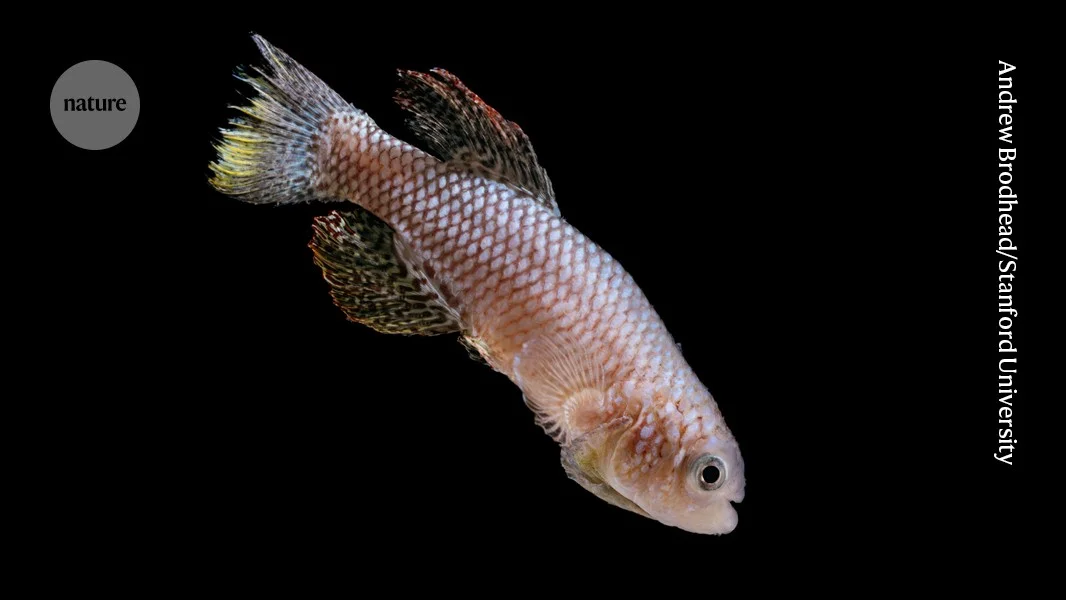
Researchers monitored 81 African turquoise killifish from adolescence to death, identifying 100 behavioral building blocks and showing that by early adulthood, differences in sleep and movement predict total lifespan. Shorter-lived fish nap more during the day and swim slower, while longer-lived fish stay active during daylight. Aging appears as 2–6 rapid transitions rather than a smooth decline, with coordinated changes in liver gene activity related to protein production and cellular maintenance aligning with the predictive behavioral shifts. The work suggests behavior can be a sensitive, noninvasive readout of aging and hints wearables could reveal human aging trajectories and potential intervention windows.

Active days, longer life: a fish’s behavioural clock predicts lifespan
science29 days ago

Active days, longer life: a fish’s behavioural clock predicts lifespan

Scientists tracked 81 African turquoise killifish from adolescence to death with 24/7 video and a machine-learning model, finding that more active, faster-moving fish tended to live longer and those that slept mainly at night also reached older ages, while daytime napping correlated with shorter lifespans. The study suggests early-life behaviour can forecast ageing long before disease signs emerge.

Model of Aging Shows Old Muscles Revert to Youthful State
health2 years ago

Model of Aging Shows Old Muscles Revert to Youthful State

Researchers from Monash University have found that muscles in an animal model of aging "rejuvenate" towards the end of life to resemble their early-life metabolic state. The African turquoise killifish, which has the shortest known lifespan of any vertebrate species that can be successfully bred in a laboratory environment, was used to study sarcopenia, a gradual loss of muscle mass and strength that occurs in aging. The researchers discovered that some hallmarks of aging actually reverse during the late-life stage, suggesting extremely old animals may carry a mechanism whereby further deterioration of skeletal muscle is prevented, ultimately contributing to an extension of their lifespan. The team hypothesized that applying a drug capable of regulating the formation of certain lipids could pharmacologically induce this rejuvenation process.