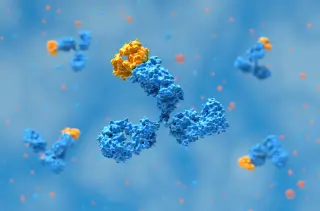
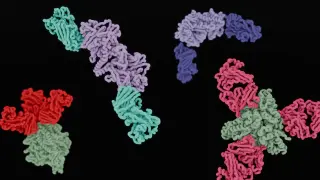
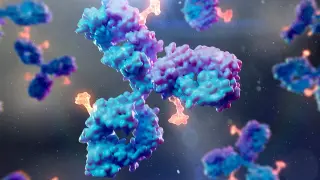
Researchers developed human antibodies against EBV surface proteins gp350 and gp42; in mice with humanized immune systems, one antibody protected against EBV infection, suggesting a new approach to prevent EBV-related diseases and transplant-related cancers, with safety testing and clinical trials planned.
A postdoctoral researcher group led by Reese Richardson and Sholto David found widespread image manipulation in marketing images for about 17,500 commercially sold antibodies from 16 companies, with roughly 7% of examined images showing edits like brightness/contrast changes, background noise removal, or copied/pasted data. These manipulations can mislead researchers about an antibody’s effectiveness, risking wasted time and money on troubleshooting experiments that may never yield reliable results.
Biotech startup Infinimmune raises $75 million in a Series A led by Regeneron Ventures (with Playground Global) to advance its human B cell–based antibody platform for eczema, including lead antibodies IFX-201 and IFX-101 moving to Phase 1 next year. Regeneron’s investment aims to complement Dupixent, Merck remains an investor, and the company envisions additional large‑pharma partnerships as it advances its pipeline.
Nature analyzes which scholarly papers appear most often on patent front pages and in their text, revealing that life-science research—especially antibody science and bioinformatics tools like BLAST—dominates patent citations. Notable examples include the 1975 Köhler–Milstein monoclonal antibody paper (highly cited in patents), a 1994 Colman antibody paper with thousands of patent mentions despite few journal citations, and the 1990 BLAST software paper as the most-cited front-page patent reference. The study, drawing on The Lens and Reliance on Science datasets, shows patent references are driven by legal needs to map state of the art and that many top-cited papers are publicly funded; differences between front-page and in-text citations also reveal how methods and plant biology papers accrue patent mentions.
Monica McFarlan, diagnosed with heart failure at 37, endured 15 years of LVADs and life-threatening complications and was deemed ineligible for a traditional heart transplant due to high antibody levels. She became the first in Georgia to receive the groundbreaking Heart-After-Liver Transplant (HALT), a 16-hour procedure that first replaces the liver to reset the immune system before a heart transplant, bypassing the antibody barrier and giving her a new chance at life.
Monica McFarlan, diagnosed with heart failure at 37, endured years of surgeries and LVADs and was deemed ineligible for a traditional heart transplant due to high antibodies. In a groundbreaking 16-hour Heart-After-Liver Transplant (HALT), doctors first transplant a liver to reset her immune system, then perform the heart transplant, making her the first patient in Georgia to receive this treatment and giving her a life-saving second chance while she remains on lifelong immunosuppression.
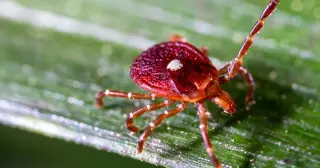
A CDC analysis of 3,000 adults across 10 states found about 24% in five states with high lone star tick activity have antibodies to alpha-gal, indicating prior tick bites and potential risk for alpha-gal syndrome (a red meat allergy). Antibodies show exposure, not disease, so not everyone will develop symptoms. The true prevalence is uncertain, and cases are not nationally notifiable; ticks and affected areas may expand as deer move and winters warm. Symptoms typically appear hours after eating red meat, and the condition is lifelong once developed.
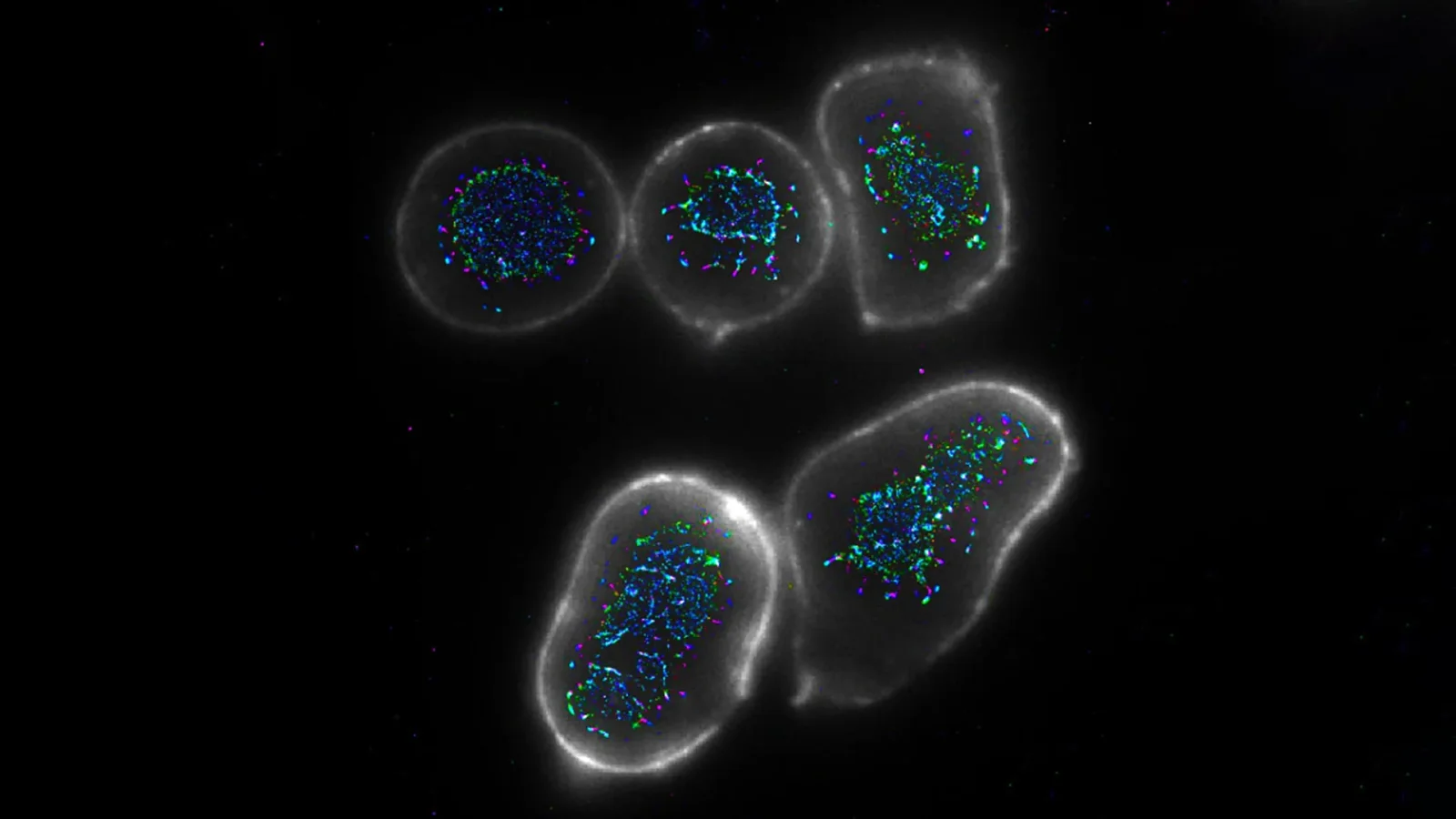
Researchers developed a nanodisc-based platform that places viral surface proteins in a membrane-like environment, revealing antibody interactions that are hidden when proteins are studied in isolation and speeding the design of vaccines against HIV, Ebola, and other viruses.
Researchers documented 127 problematic images in Thermo Fisher's antibody catalogue, finding more than 100 manipulated images—ranging from duplicated western blot bands to painted backgrounds and identical blot backdrops. The findings contribute to ongoing concerns about the reliability of commercial antibodies; Thermo Fisher says it is conducting an internal review and will inform users when images have been optimized for presentation.
Scientists isolated four potent monoclonal antibodies from a vaccinated donor’s blood that block measles by targeting the virus’s H and F proteins. In rodent tests, these antibodies reduced lung virus after exposure, suggesting potential post-exposure or preventive use, though they are not a substitute for vaccination and delivery challenges remain. Further testing is needed before any human therapy.
Epstein-Barr virus (EBV) infects about 95% of adults and can persist for life, with links to cancers and other complications. A team from Fred Hutchinson Cancer Center and the University of Washington developed human-like antibodies targeting EBV surface proteins gp350 and gp42, isolating 10 candidates. In mice with humanized immune systems, one antibody provided protection against EBV, demonstrating a new approach to prevent infection and reactivation. The work could help immunosuppressed transplant patients by reducing EBV-related complications (PTLD), but human safety testing and clinical trials are still needed. Published in Cell Reports Medicine (2026).
An international study of 100 VITT patients shows the condition starts with antibodies that target an adenovirus protein; a single antibody mutation then makes them bind platelet factor 4 strongly, and a common immune gene variant shapes the response. VITT requires both a hereditary variant and a rare antibody mutation, explaining its rarity and offering clues for designing safer adenovirus-based vaccines in the future.
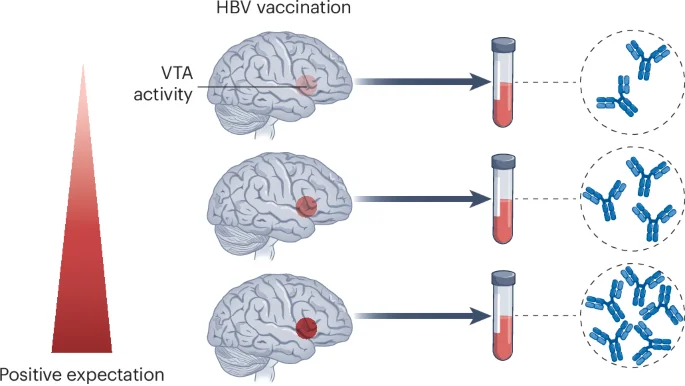
A randomized trial provides direct human evidence that the placebo effect can shape humoral immunity: reward-related brain activity correlates with vaccine-induced antibody production, suggesting new ways to influence immune responses beyond the vaccine itself.
Scientists at the University of Southampton developed a four-armed antibody that enhances T cell activation by clustering immune receptors, significantly boosting the immune response against cancer in laboratory tests, offering a promising new approach for cancer immunotherapy.
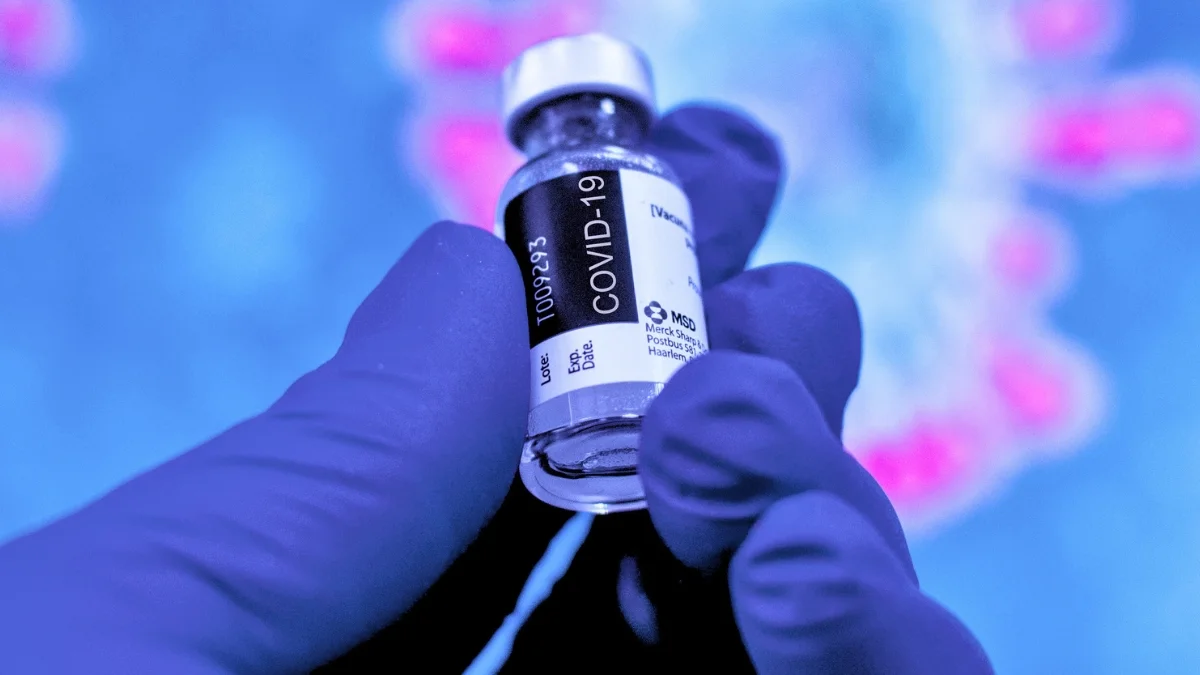
A 2023 updated COVID-19 vaccine developed by Emory University produces antibodies with a half-life of over 500 days, about three times longer than previous versions, and offers broad protection against multiple strains, highlighting the importance of updated immunizations in combating the evolving virus.