Tag

Predation

All articles tagged with #predation

Tooth in Skull Reveals Rare T. rex Attack on Edmontosaurus
science23 days ago

Tooth in Skull Reveals Rare T. rex Attack on Edmontosaurus

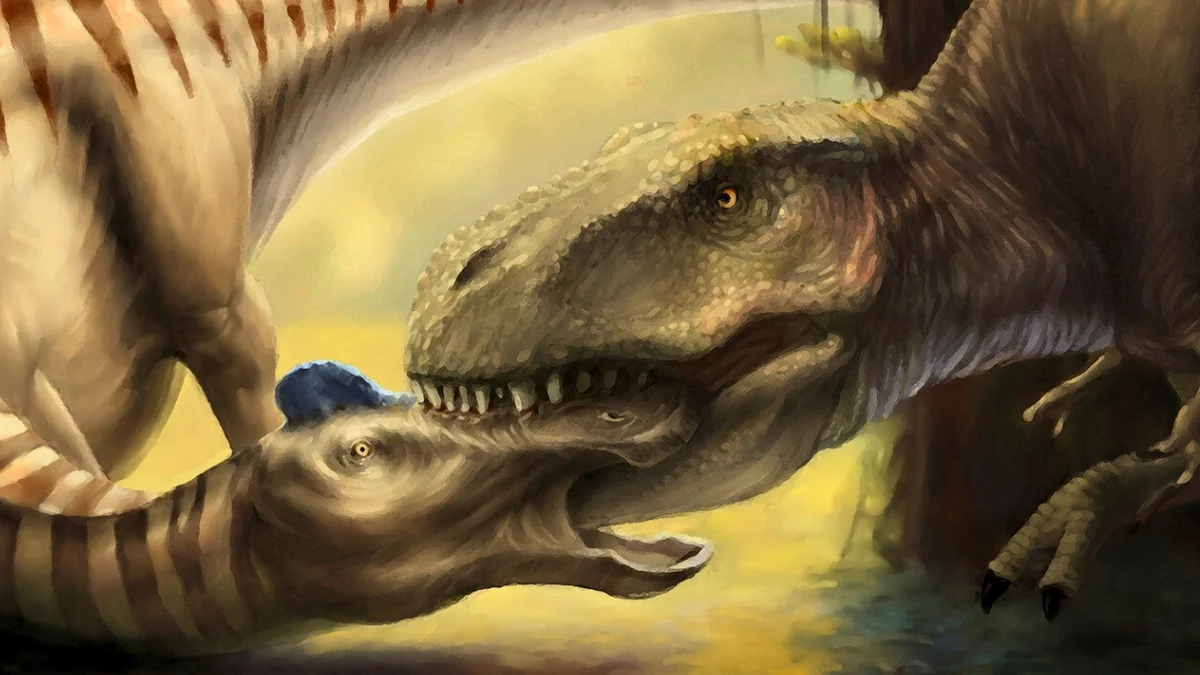
Paleontologists describe a nearly complete Edmontosaurus skull with a Tyrannosaurus tooth embedded in its snout and bite marks suggesting a fatal, close-range encounter. CT analysis indicates the tooth broke off during the attack, with the Edmontosaurus unlikely to survive; size estimates point to an adult T. rex with about a 1-meter-long skull. The find provides rare direct fossil evidence of predation and feeding behavior in large theropods, showing T. rex likely hunted and scavenged during its life.

Rare Fox Attack on Wolf Pup Captured on Camera
science1 month ago

Rare Fox Attack on Wolf Pup Captured on Camera

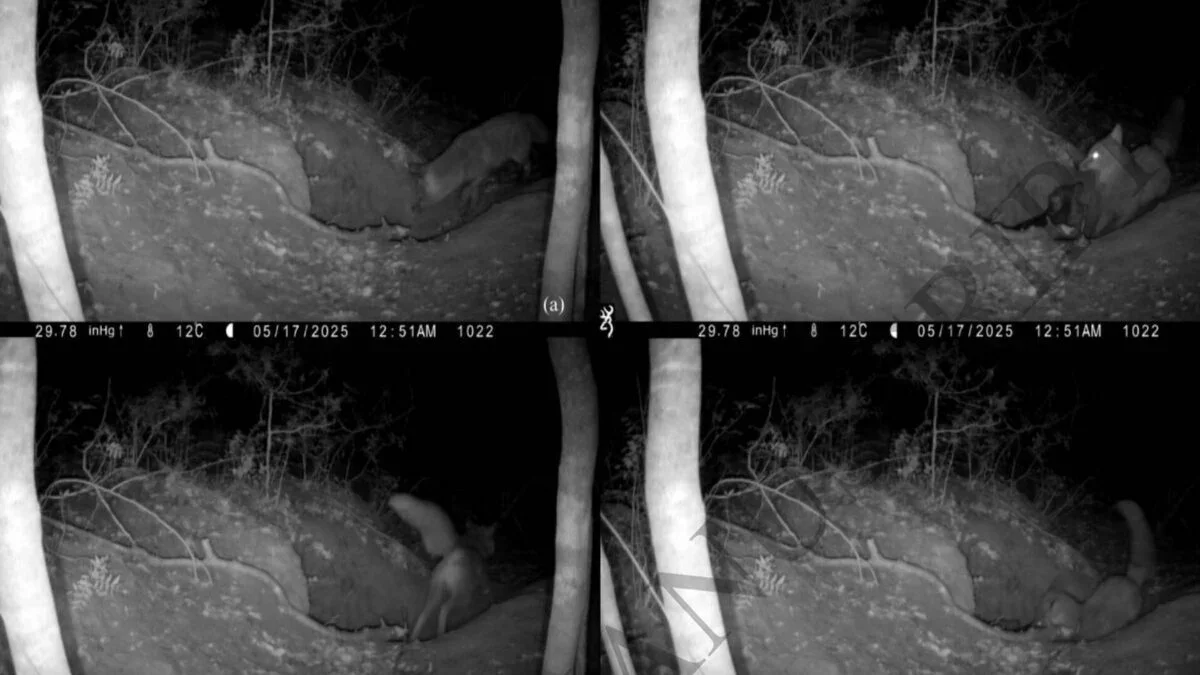
Researchers in Italy captured on video the first-known instance of a red fox entering a wolf den, grabbing a wolf pup and likely killing it—an opportunistic attack that shows mesocarnivores can directly affect an apex predator’s reproductive success; the incident occurred while adult wolves were away hunting, and the den was later relocated, though it’s unclear how common such interactions are.

Tooth-marked orca fins hint cannibalism shapes tight-knit pods
science1 month ago

Tooth-marked orca fins hint cannibalism shapes tight-knit pods

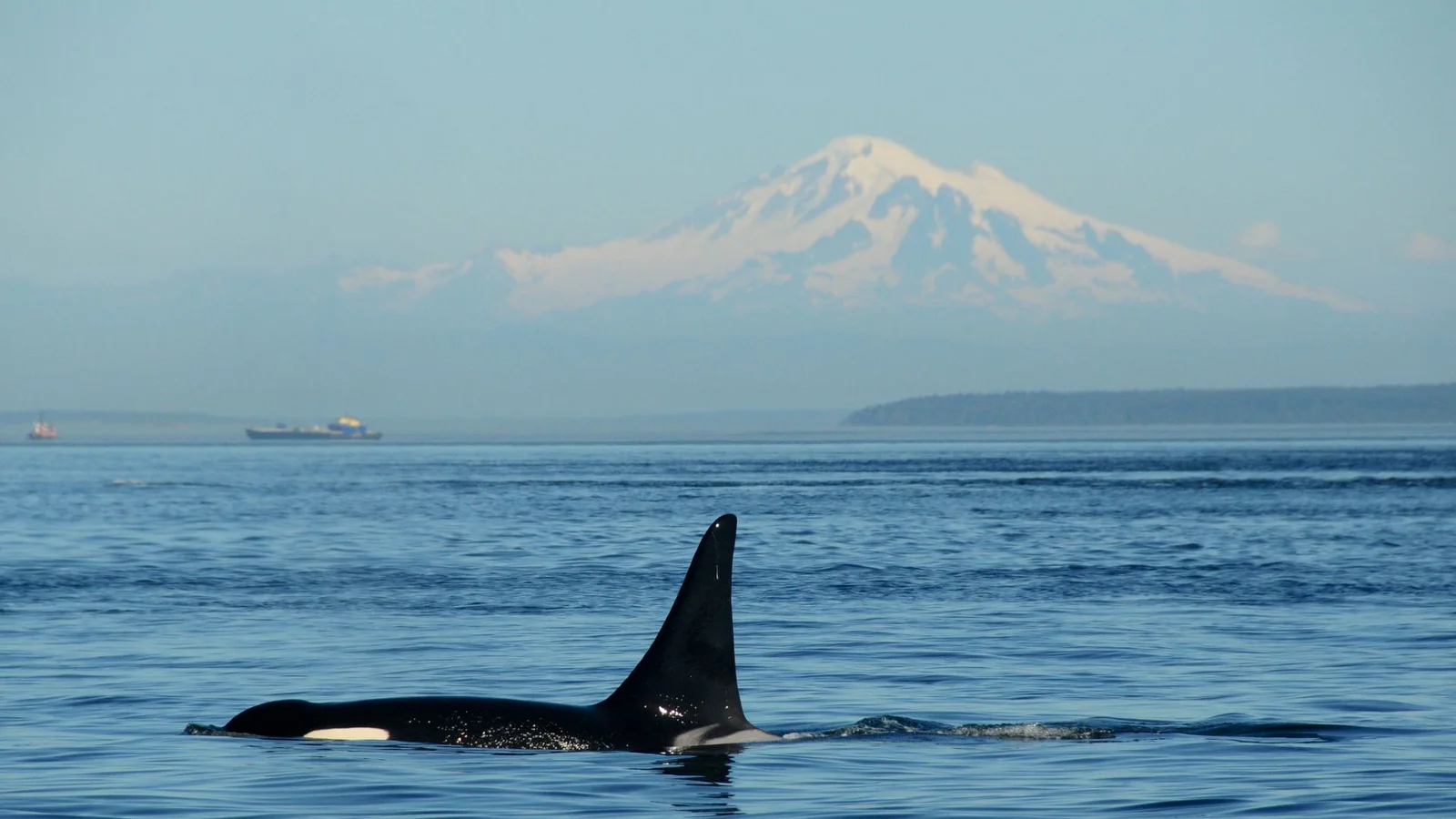
Live Science reports two washed-up orca dorsal fins from southern resident orcas found on Russia’s Bering Island, each bearing distinctive killer-whale tooth marks. Genetic testing links the fins to southern residents, while researchers say mammal-eating Bigg’s killer whales may have preyed on them, suggesting occasional cannibalism. The study posits that predation pressure by Bigg’s could help explain why resident, fish-eating orcas form large, protective family groups, though some scientists urge caution and note scavenging or other explanations could account for the marks.

Optimal oyster reef geometry boosts recruit survival by mitigating predators
environment1 month ago

Optimal oyster reef geometry boosts recruit survival by mitigating predators

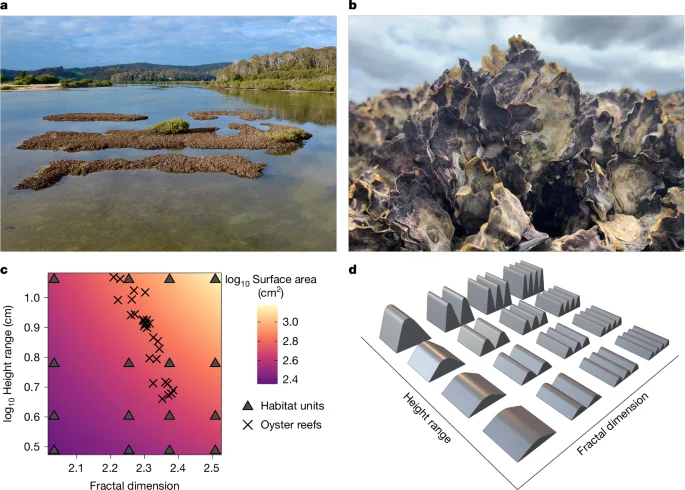
The study shows that oyster recruit survival is maximized not just by surface area but by specific 3D reef architectures. By creating 16 artificial habitats that span fractal dimension and height range and testing them with and without predator access across three estuaries, researchers found a hump-shaped recruitment response driven by predator mediation. Optimal values (fractaI dimension ~2.41, height ~7.96 cm) yielded ~35% higher oyster densities than less favorable configurations, and natural reefs clustered near these optima, offering a blueprint for restoration that integrates geometry with ecosystem engineering to enhance reef persistence.

Juvenile Sauropods Fueled Jurassic Predators, New Ecological Web Reveals
science2 months ago

Juvenile Sauropods Fueled Jurassic Predators, New Ecological Web Reveals

Reconstructing a detailed Jurassic ecosystem from Dry Mesa Quarry fossils shows that baby sauropods were abundant prey, forming many predator links and feeding carnivores like Allosaurus and Torvosaurus. This plentiful supply may have kept top predators smaller for a time and influenced later evolutionary shifts toward larger hunters such as Tyrannosaurus rex.

Slingshot Spiders: Nature's Precision Hunters on the Misty Riverbanks
science-and-nature1 year ago

Slingshot Spiders: Nature's Precision Hunters on the Misty Riverbanks

Researchers have discovered that slingshot spiders, found along Ohio's riverbanks, use a unique hunting technique similar to Roman gladiators by launching their webs at prey using sound detection. These spiders can detect the sound of approaching insects, like mosquitoes, and release their webs with remarkable speed and precision, intercepting prey in just 38 milliseconds. The study highlights the spiders' ability to compare vibrations through their webs and the air to accurately target their prey.

Orcas Develop Unique Strategy to Hunt Giant Whale Sharks
science1 year ago

Orcas Develop Unique Strategy to Hunt Giant Whale Sharks

New research has documented how an orca pod off the coast of Mexico hunts whale sharks, the world's largest fish. The orcas use a strategic method to flip the sharks belly-up, inducing a state of tonic immobility, before targeting their nutrient-rich livers. This behavior, captured in images and videos, marks the first detailed observation of orcas preying on whale sharks, suggesting a potential new ecotype in the Gulf of California. Despite the predation, there are no significant impacts on the whale shark population in the area.