Pakistan and Qatar dispatched envoys to Tehran to salvage the monthlong U.S.-Iran cease-fire as weeks of diplomacy failed to produce an agreement, signaling a push to avert a broader conflict in the region.
Iran has submitted its latest peace proposal for talks with the United States to Pakistani mediators, but details are unclear and it’s uncertain if President Trump will accept it. The standoff has persisted for about four weeks since a temporary ceasefire, with Iran effectively closing the Strait of Hormuz and the U.S. continuing port blockades, even as Trump privately suggests negotiations may still be advancing despite outward signs of gridlock.
U.S. officials say negotiators are closing in on a framework with Iran to end the war, aided by mediators from Pakistan, Egypt and Turkey, with the ceasefire deadline of April 21 looming. While progress is reported and backchannel talks continue, officials caution a deal is not guaranteed and any agreement will require broader government buy-in and potential extension of the ceasefire to negotiate details.
In Islamabad over the weekend, the U.S. floated a 20-year moratorium on Iran’s uranium enrichment, while Tehran offered a much shorter window; mediators from Pakistan, Egypt, and Turkey are trying to bridge the gap as negotiators race to seal a ceasefire deal, with no agreement yet and ongoing exchanges about removing or down-blending enriched material.
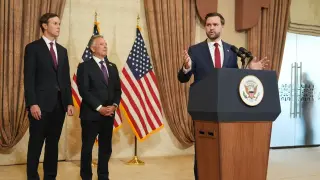
Pakistani, Egyptian and Turkish mediators push Washington and Tehran to narrow remaining gaps—particularly on uranium enrichment and access to unfrozen funds—with the aim of a new round of negotiations before the ceasefire ends on April 21. Iran signals progress and the Islamabad talks laid groundwork for diplomacy, while the US warns of possible strikes or a naval blockade if Iran resists. Vice President JD Vance led the talks and left the door open to a deal if both sides compromise.
Foreign Affairs argues that a lasting end to the United States–Iran war won’t come from unilateral demands or a bare pause; Tehran has rejected the U.S. 15-point plan and expanded the fight with proxies, so any durable cease-fire requires a broad mediation coalition (led by Egypt, Pakistan, Turkey, with China) to push de-escalation, secure the Strait of Hormuz, and offer credible security guarantees plus limited economic incentives. Negotiations should follow a genuine halt in hostilities, not precede it, and must aim for a longer-term nonaggression pact to prevent a relapse into war.
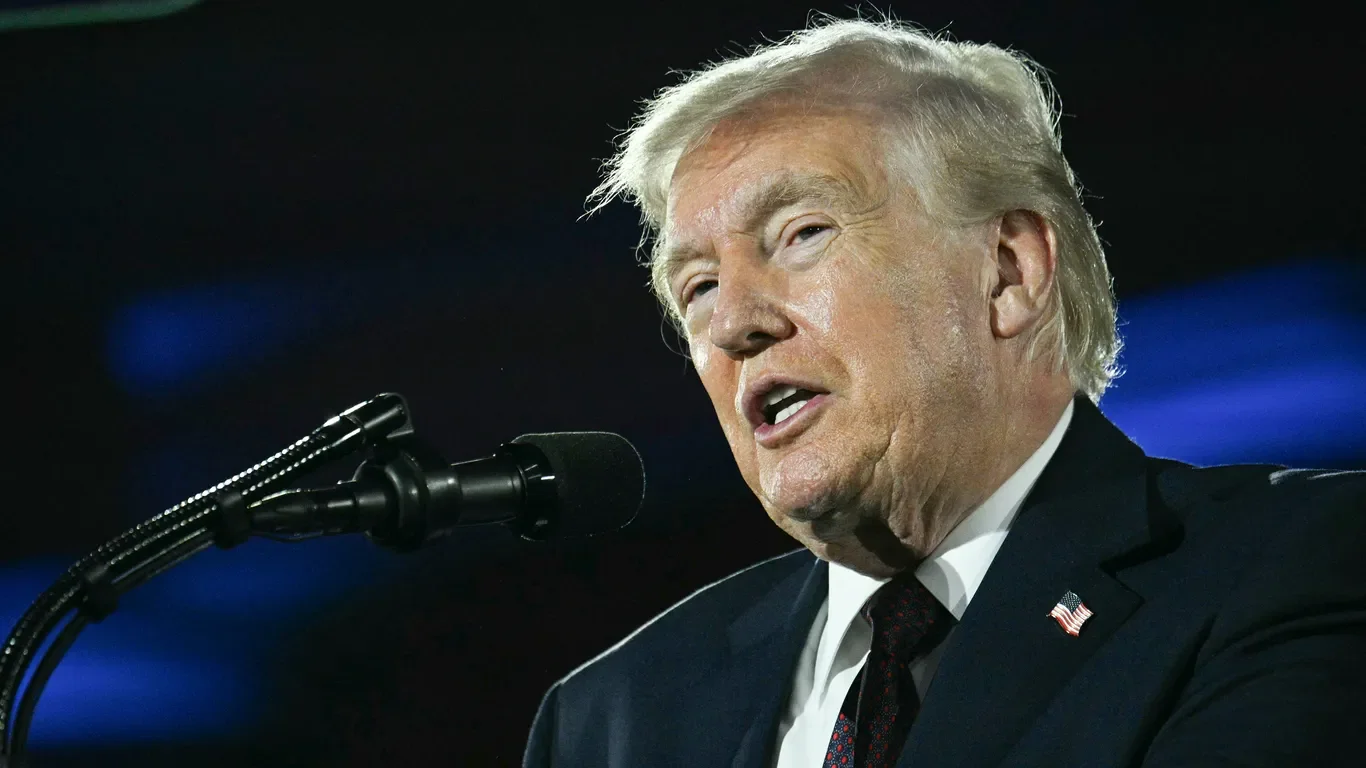
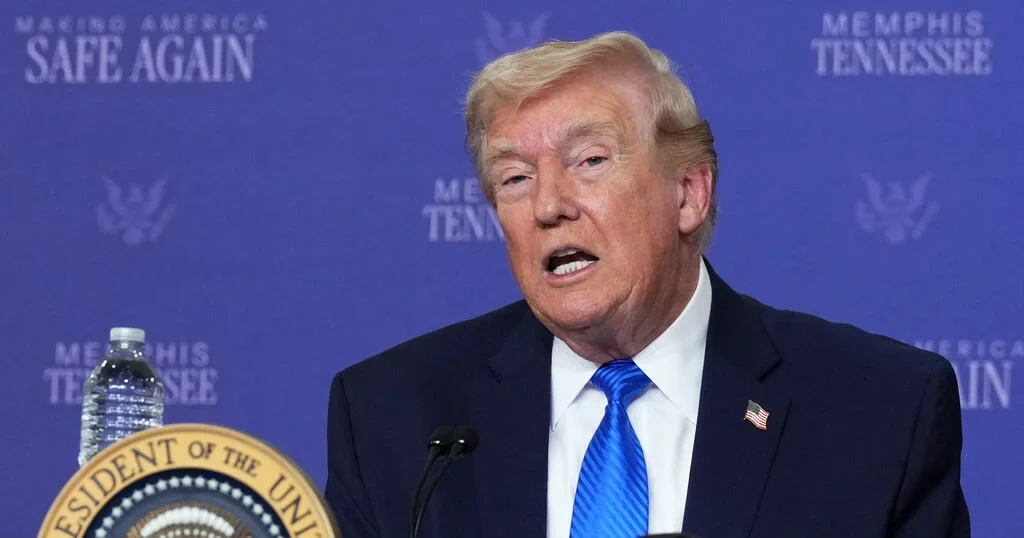
President Trump urged Iran to 'get serious' in negotiations mediated by Pakistan, Egypt and Turkey as a five‑day pause on strikes nears expiration, warning there will be 'no turning back' if talks fail; Tehran rejected the U.S. plan and says it will negotiate on its own terms, while mediators push for a high‑level meeting and the Pentagon weighs possible military options.
U.S. officials reportedly sent Iran a message via mediators suggesting talks could occur as President Trump signals a possible deal; Iran says it has received points to review. Trump touted about 15 points of agreement and said Iran wants peace, though Iran had previously denied talks and the full terms remain unclear. Mediation has involved Pakistan and Oman, and markets moved on the news with Brent crude down about 10% and the S&P 500 up about 1%.
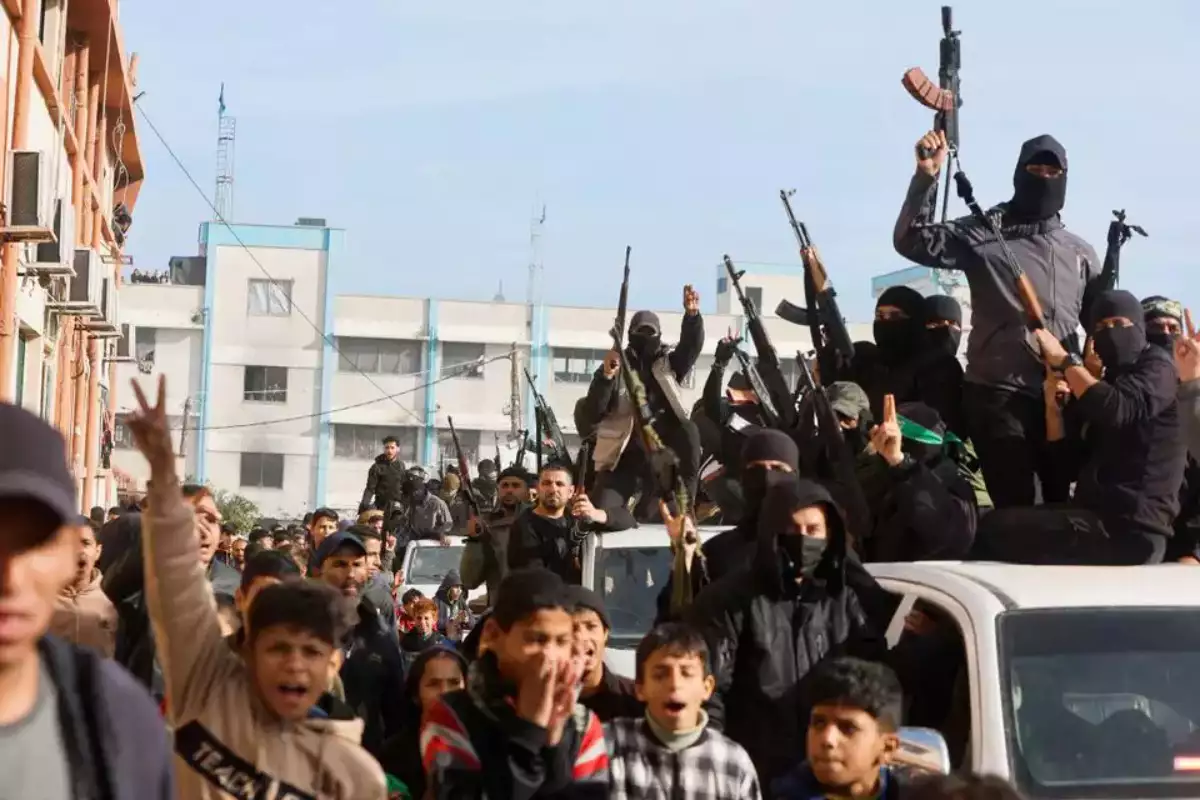
A senior Hamas official revealed that Hamas agreed to a Cairo-mediated ceasefire proposal, which includes a 60-day temporary ceasefire, prisoner exchanges, continued humanitarian aid, and limited IDF withdrawal, with verbal guarantees from mediators and ongoing negotiations for a permanent truce.
Hamas has released two more hostages as mediators work to extend a fragile truce. The release comes as part of ongoing negotiations to secure the freedom of several Israeli captives held by the Palestinian militant group. Mediators are pushing for an extension of the current ceasefire to allow for further negotiations and progress in resolving the hostage situation.
The Safer Plage app, developed by the nonprofit Orane, has been downloaded over 1,300 times in Marseille, France, to help women combat beach harassment. Users can choose from three escalating options to alert beach "mediators" who can track the incident's location via geolocation. The mediators, trained to handle various situations, aim to shame and expose the harasser rather than make arrests. The app was created in response to a YouGov poll revealing that nearly 40% of young women aged 18 to 34 reported being harassed on the beach.