Tag

Mega Constellations

All articles tagged with #mega constellations

Starlink Satellites: A Parade that Disrupts Cosmic Studies
science-and-technology3 years ago

Starlink Satellites: A Parade that Disrupts Cosmic Studies

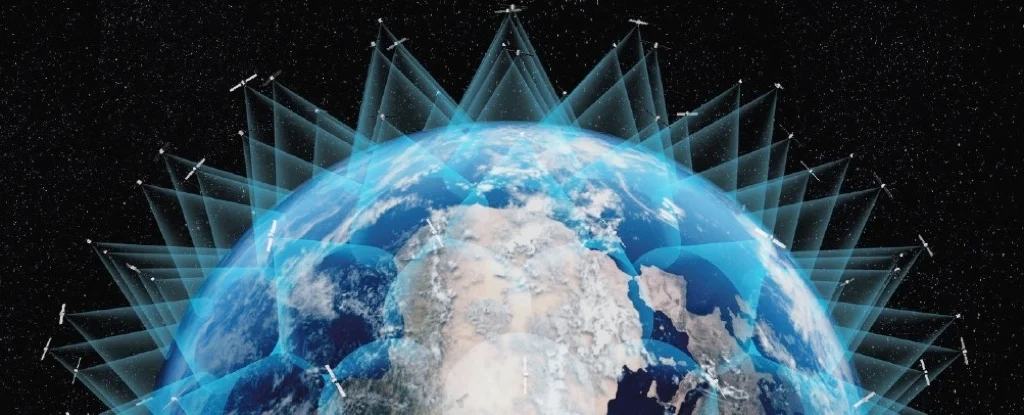
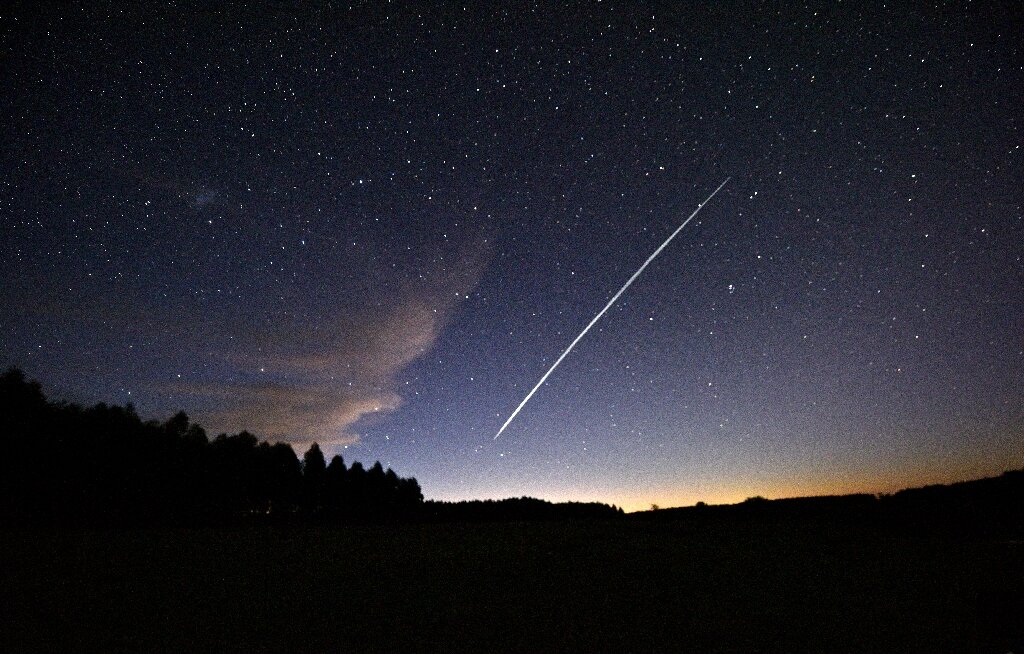
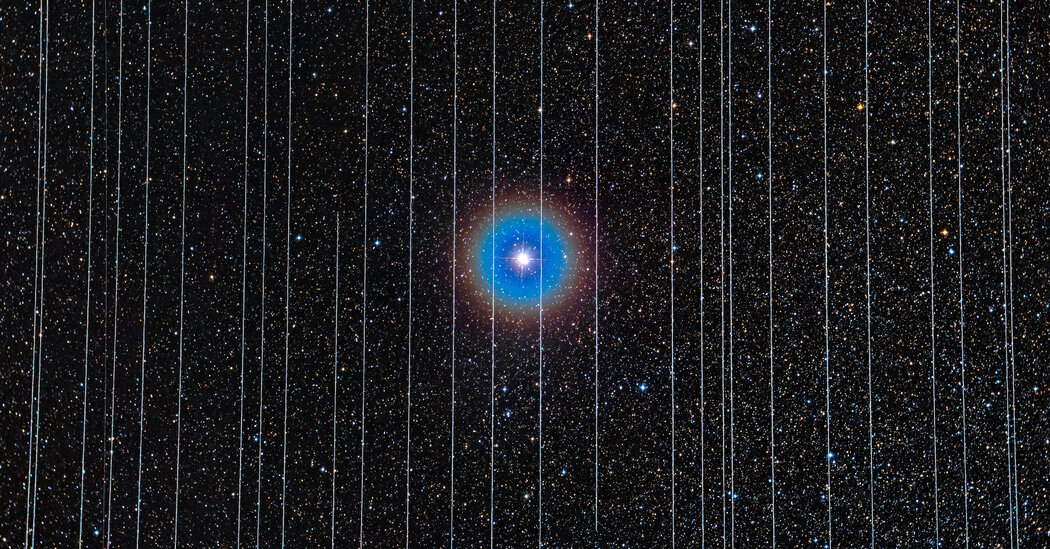
Astronomers are increasingly concerned about the negative impact of SpaceX's Starlink satellites, part of a "mega constellation," on their ability to study the night sky. The sheer number of satellites, which provide broadband internet to remote areas, is making it difficult for astronomers to observe faint celestial objects. At least 6% of Hubble Space Telescope images in 2021 were compromised by satellite interference. The proliferation of satellites also contributes to light pollution, disrupts ecosystems, and poses risks of space debris and environmental damage. While SpaceX has made some efforts to address concerns, the lack of international regulation and oversight raises concerns about the long-term impact on astronomy and the environment.
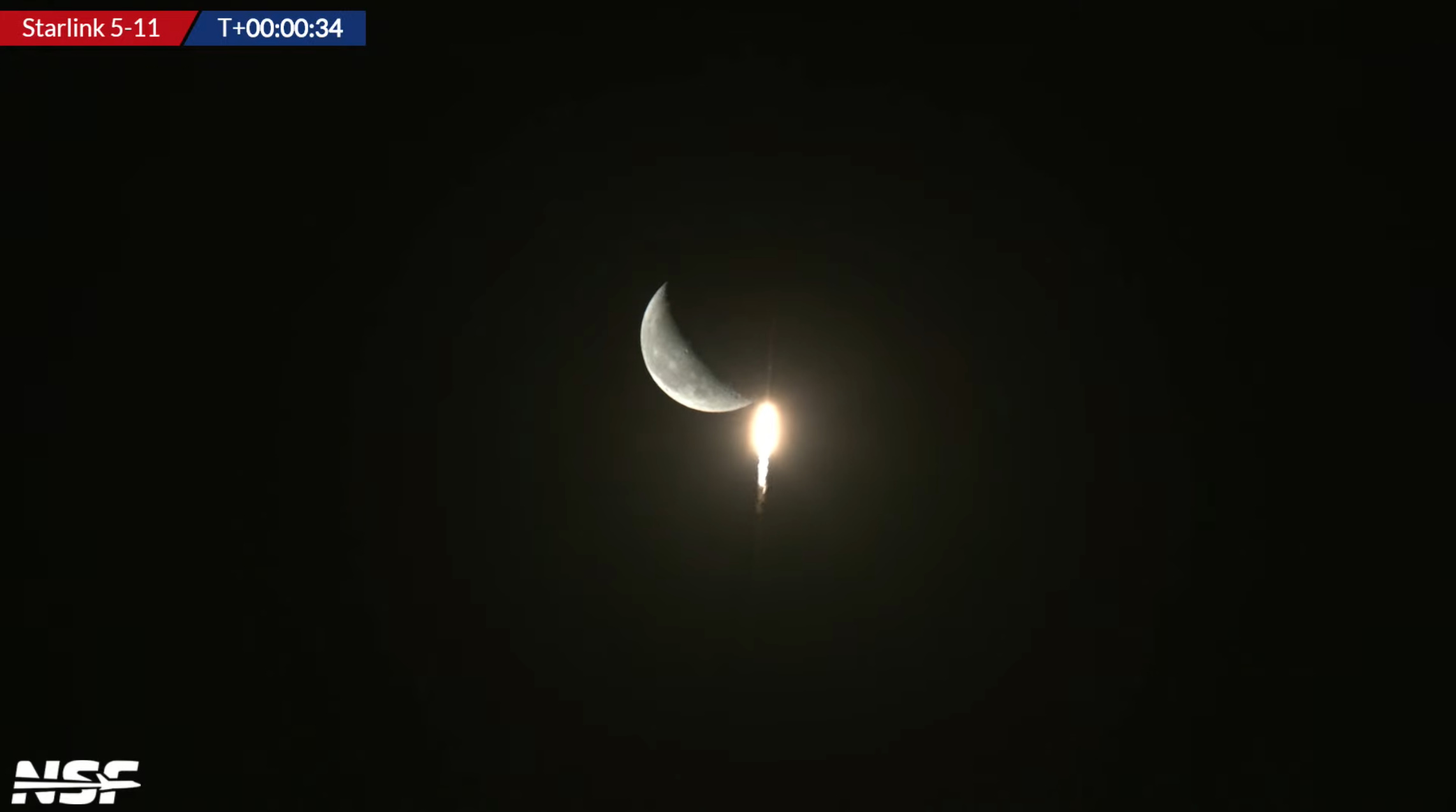
Starlink 5-11 Launches Amidst Growing Astronomy Concerns.
space3 years ago

Starlink 5-11 Launches Amidst Growing Astronomy Concerns.

SpaceX launched its 39th overall orbital launch for 2023, with Falcon 9 B1073-9 launching 53 Starlink satellites into orbit. The impact of mega-constellations, including Starlink, on ground and space-based astronomy was discussed at the American Astronomical Society (AAS) 242 conference in New Mexico. Concerns were raised about satellite streaks in the Hubble Space Telescope's field of view, but SpaceX and OneWeb have signed a coordination agreement with the National Science Foundation to limit their impact. Starlink continues to add capability, including being used for data connectivity aboard Starship and for high-speed connectivity for passengers on airliners and private jets.

The Dual Nature of Satellites: Threat and Opportunity for Astronomy
science-and-technology3 years ago

The Dual Nature of Satellites: Threat and Opportunity for Astronomy

Mega-constellations of satellites launched by companies like SpaceX and Amazon are causing problems for astronomers studying the universe from the surface of the Earth. However, some scientists see an opportunity to advance the field of astronomy by hitching thousands of tiny gamma-ray detectors to the satellites. The detectors would be weak individually, but together they could rival the power of NASA's Swift and Fermi gamma-ray observatories. While none of the companies building enormous satellite constellations have said they would be willing to deploy gamma-ray detectors or other new sensors that would help scientists, some scientists hope that government oversight can ensure minimal harm to science from mega-constellations and that partnerships with constellation operators can benefit everyone.

The Growing Threat of Satellites to Astronomy and the Night Sky.
science-and-technology3 years ago

The Growing Threat of Satellites to Astronomy and the Night Sky.

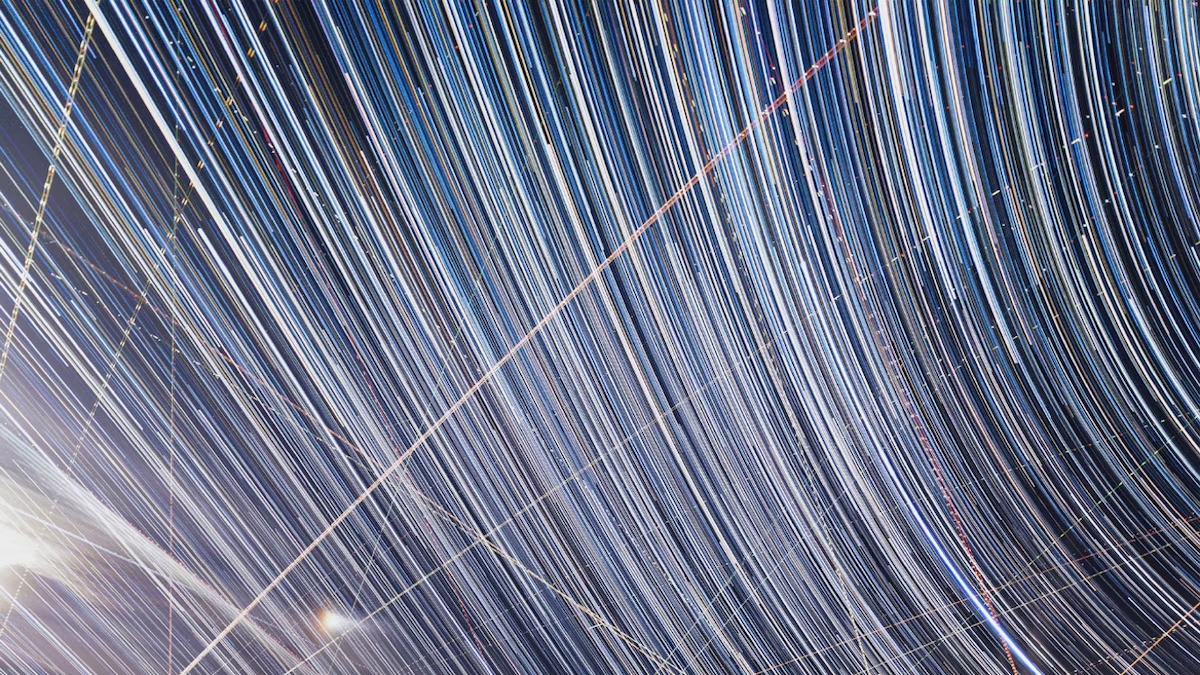
The increasing number of satellites orbiting Earth, particularly mega-constellations, is creating unprecedented light pollution that threatens the future of astronomy, according to a series of papers published in the journal Nature Astronomy. The light pollution not only affects the work of major observatories but also endangers humanity's ancient relationship with the night sky, which connects us through science, storytelling, art, origin stories, and cultural traditions. Astronomers are calling for drastically limiting mega-constellations and even banning them to protect nature and cultural heritage.

The Threat of Light Pollution from Satellites to Astronomy
science-and-technology3 years ago

The Threat of Light Pollution from Satellites to Astronomy

Astronomers have warned that the increasing number of satellites orbiting Earth is causing unprecedented light pollution, threatening the future of their profession and humanity's ancient relationship with the night sky. The proliferation of mega-constellations of satellites, which are set to increase further, also increases the risk of collisions and the creation of space debris. Astronomers are calling for drastic limits on mega-constellations and the possibility of banning them to protect the natural night sky and cultural heritage.

The Global Threat of Light Pollution from Satellites and Artificial Light.
environment3 years ago

The Global Threat of Light Pollution from Satellites and Artificial Light.

Astronomers have warned that the increasing number of satellites orbiting Earth is causing unprecedented light pollution, posing a global threat to nature and humanity's ancient relationship with the night sky. The congestion of satellites in low Earth orbit increases the risk of collisions and creates space debris that reflects light back to Earth. The brightening of the night sky will affect professional astronomers, major observatories, and cultural heritage. Astronomers have called for limiting mega-constellations and banning them if necessary to protect the natural aspect of a pristine night sky.