Tag

Hubble Telescope

All articles tagged with #hubble telescope

Swift Observatory burns up over Indonesia after failed rescue mission
space13 days ago

Swift Observatory burns up over Indonesia after failed rescue mission

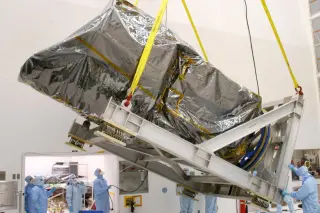
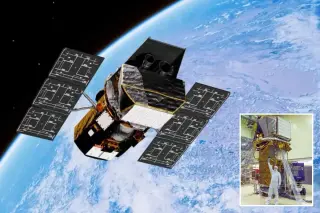
NASA’s Neil Gehrels Swift Observatory reentered Earth’s atmosphere over Indonesia on November 4, 2026, ending a 22-year mission. The 3,200-pound spacecraft burned up after a commercial rescue attempt failed and solar activity accelerated its orbital decay. NASA is now seeking proposals to potentially save the Hubble Space Telescope from a similar fate by 2032.
Swift Observatory Ends 22-Year Mission After Failed Rescue, Reenters Over Indonesia

Swift Observatory Ends 22-Year Mission After Failed Rescue, Reenters Over Indonesia

NASA's Neil Gehrels Swift Observatory reentered Earth's atmosphere on November 4, 2026, ending a 22-year mission that observed gamma-ray bursts for 11 times longer than planned. A commercial rescue attempt by Katalyst Space failed in September, and intense solar activity accelerated the telescope's orbital decay. NASA is now seeking private sector proposals to potentially save the Hubble Space Telescope from a similar fate by 2032.
Swift Observatory Reenters Earth After 22-Year Gamma-Ray Mission
science-and-technology18 days ago

Swift Observatory Reenters Earth After 22-Year Gamma-Ray Mission

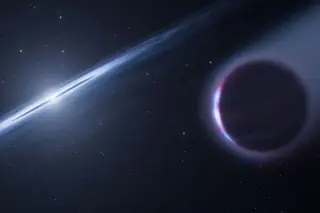
The Neil Gehrels Swift Observatory, a 1.5-ton space telescope, reentered Earth's atmosphere near Indonesia on November 4, 2026, ending a 22-year mission that lasted 11 times longer than planned. The spacecraft's orbit decayed due to intense solar activity, and a commercial rescue attempt by Katalyst Space failed in September. NASA is now evaluating options to save the Hubble Space Telescope, which faces a similar reentry risk by the mid-2030s.

White Dwarf Feeds on Planet Born from Stellar Ashes
science1 month ago

White Dwarf Feeds on Planet Born from Stellar Ashes

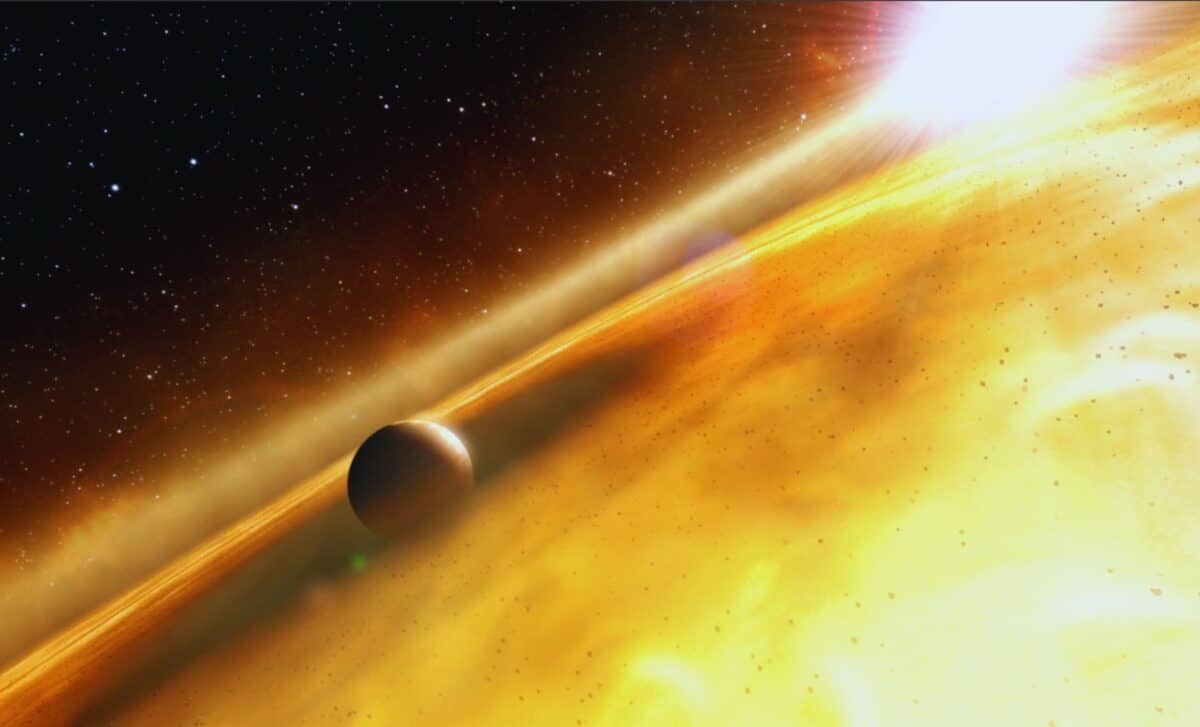
Astronomers have identified the first potential 'second-generation' planet orbiting the white dwarf HS 0209+0832, located 270 light-years away in the constellation Cetus. Unlike typical planets formed from a star's birth, this candidate likely formed from material ejected when the star died. Analysis of 1999 Hubble data reveals the white dwarf is accreting heavy elements like niobium, suggesting it is consuming the atmosphere of a nearby gas giant. This discovery implies that planets can form after a star's main sequence phase, potentially offering long-term habitability as white dwarfs cool slowly.

Saturn at Opposition: Rings Brighten as Southern Atmospheric Wave Strengthens
astronomy1 month ago

Saturn at Opposition: Rings Brighten as Southern Atmospheric Wave Strengthens

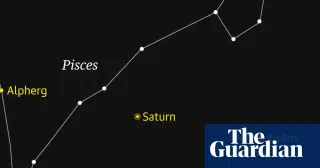
Saturn reached opposition on October 4, 2026, offering the planet's closest approach to Earth this year and optimal visibility for naked-eye and telescopic observation. The event coincides with a brightening of the rings due to the Seeliger effect and new Hubble observations of a strengthening ten-sided atmospheric wave at Saturn's south pole. While Saturn dominates early October, the Orionid meteor shower peaks on October 21-22, though moonlight may obscure fainter meteors. The Moon also passes near the Pleiades star cluster on October 27-28.

Hubble Unveils 'Cloud 9', a Mysterious Dark-Matter Celestial Object
science10 months ago

Hubble Unveils 'Cloud 9', a Mysterious Dark-Matter Celestial Object

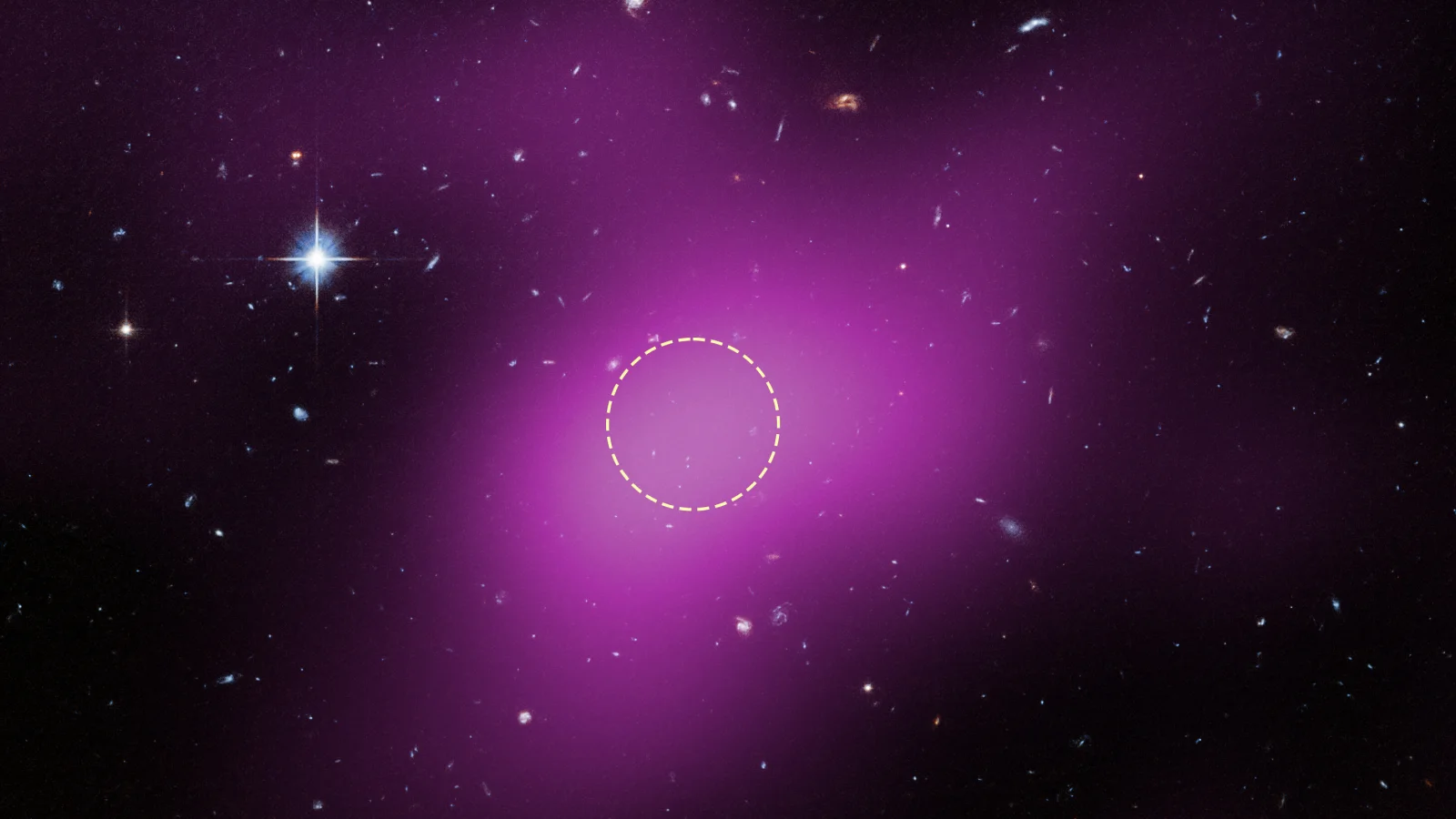
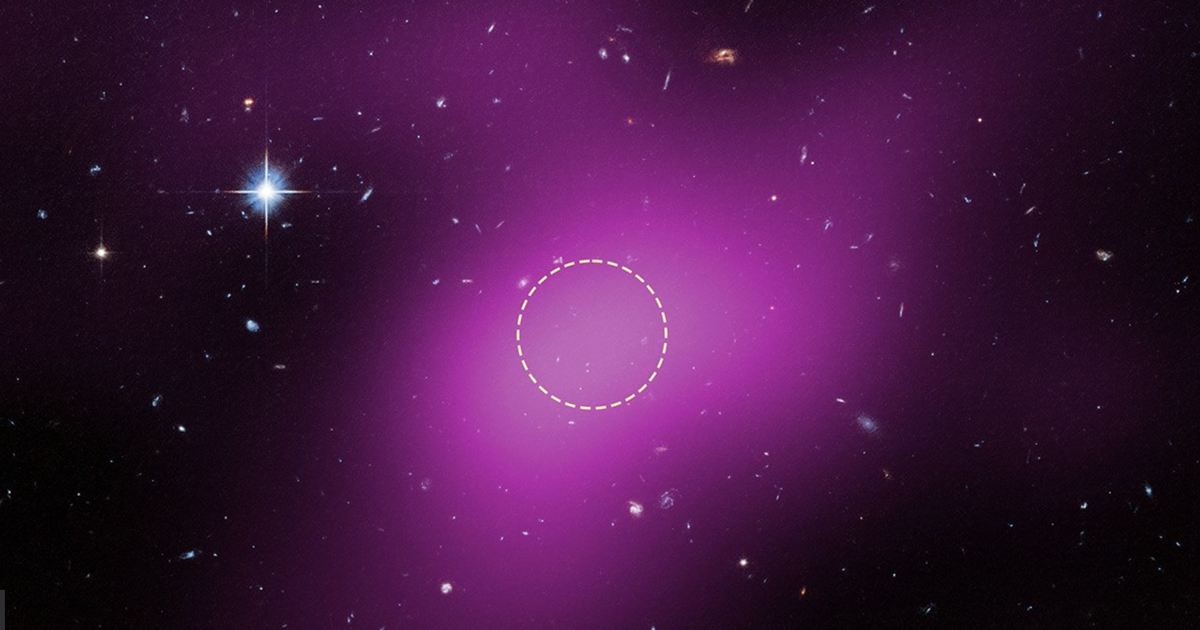
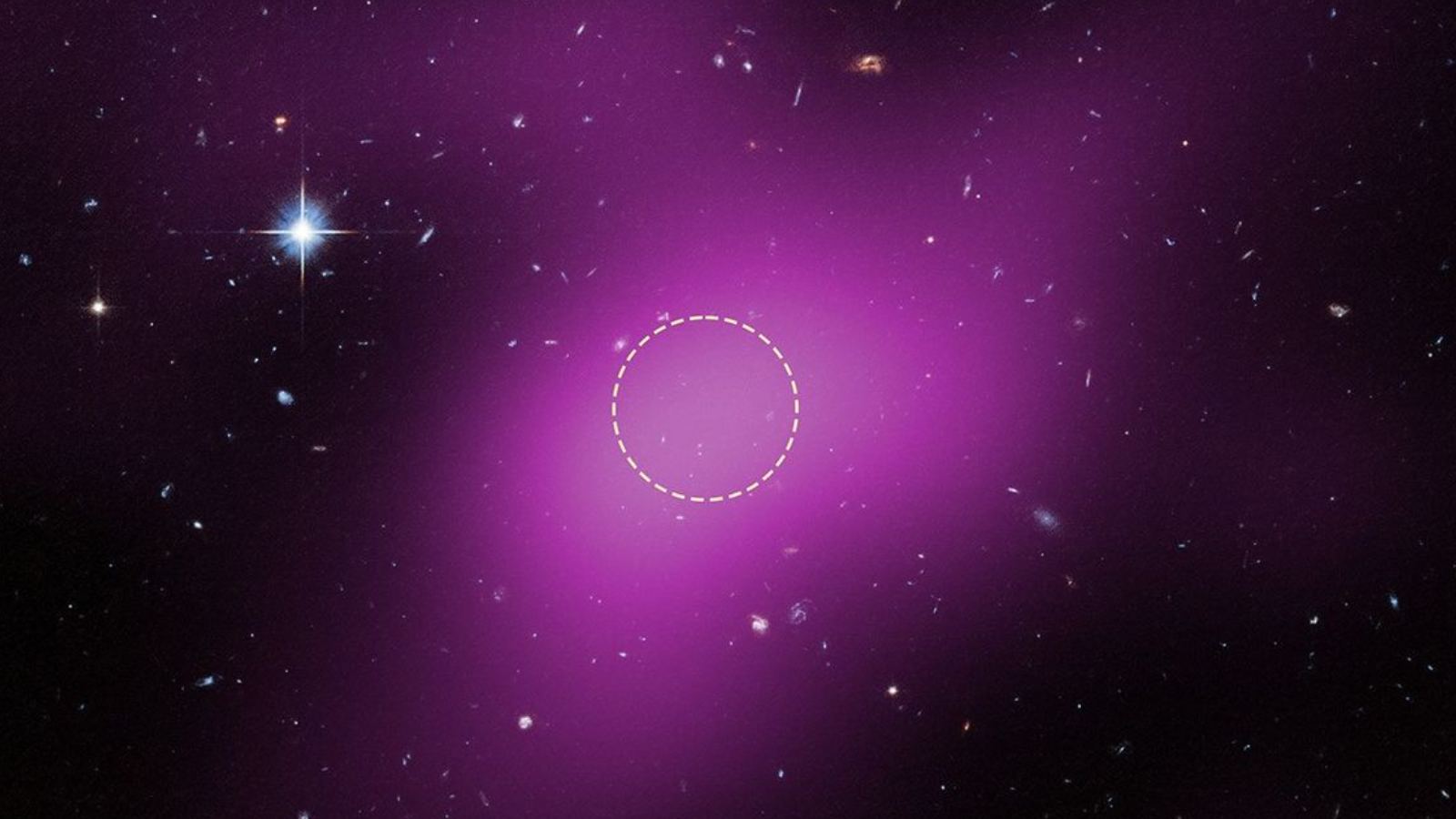
Astronomers using the Hubble Space Telescope have discovered a new type of cosmic object called Cloud 9, a dark matter and gas cloud with no stars, located near galaxy M94. This relic, known as a RELHIC, offers a rare glimpse into dark matter and galaxy formation, potentially serving as a primordial building block of galaxies, and may help scientists understand the early universe better.

NASA's Hubble Reveals Violent Collisions and a Vanishing Planet
science10 months ago

NASA's Hubble Reveals Violent Collisions and a Vanishing Planet

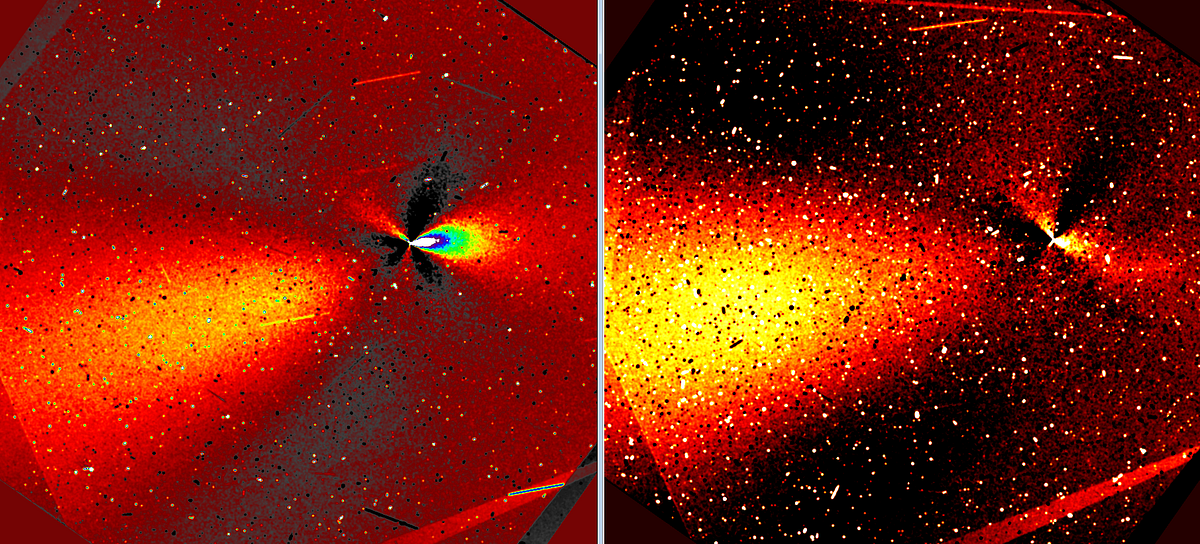
Astronomers observed what they thought was a planet around star Fomalhaut, but it vanished due to a collision between asteroid-sized bodies, creating a debris cloud. A second similar object appeared nearby, indicating violent impacts rather than a new planet, challenging existing models of planetary formation and raising concerns for future exoplanet detection methods.