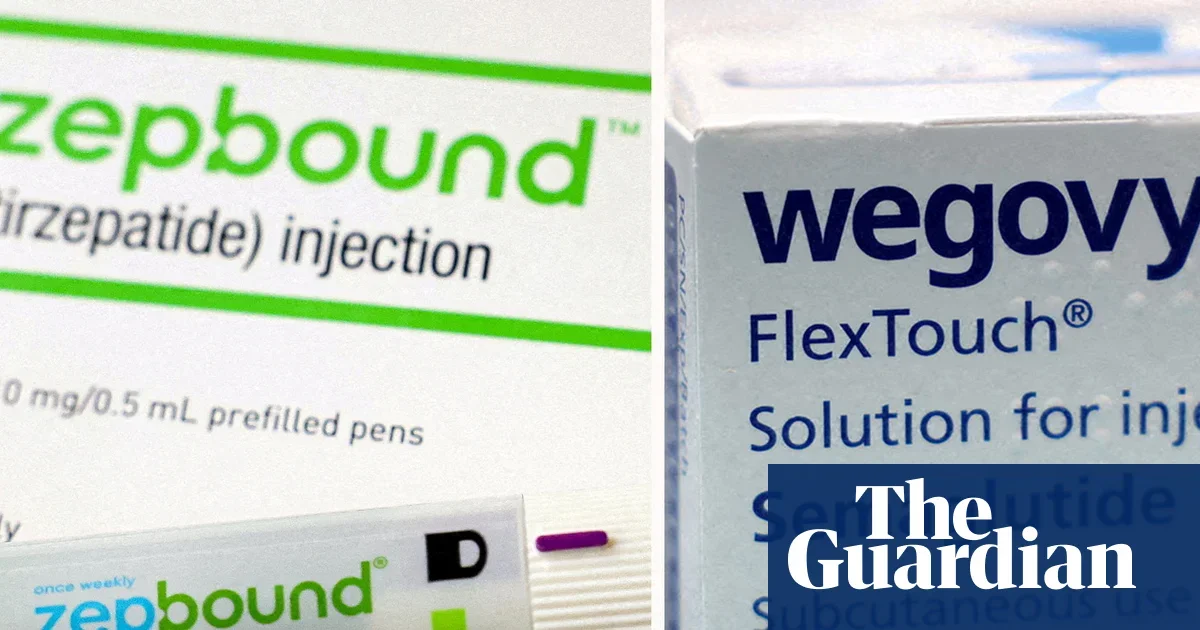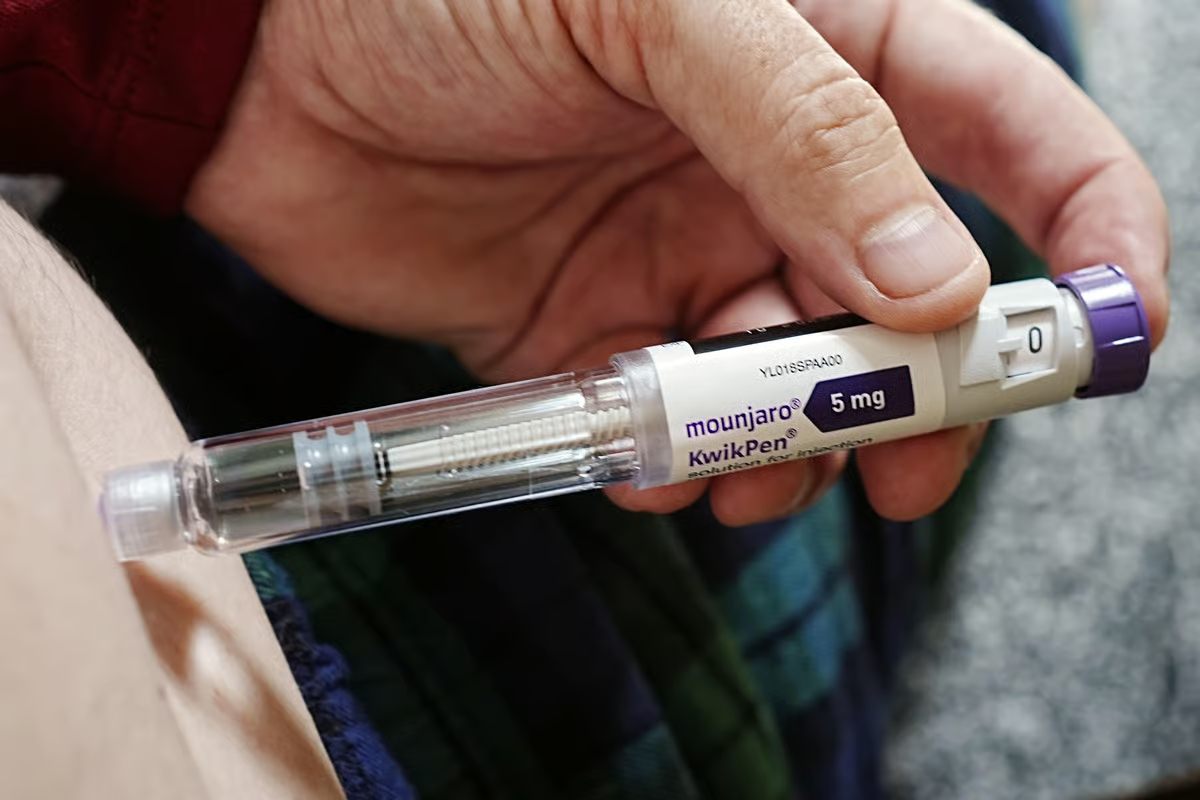
Tag

Mhra

All articles tagged with #mhra

UK Regulator Delays Depo-Provera Safety Review to 2028 Amid Rising Litigation
health8 days ago

UK Regulator Delays Depo-Provera Safety Review to 2028 Amid Rising Litigation

A 2024 study linked the contraceptive injection Depo-Provera to a fivefold increased risk of meningiomas, prompting updated safety warnings. However, the UK regulator’s comprehensive review of this risk is not due until June 2028. As lawsuits against manufacturer Pfizer grow in the US and UK, patients report delayed diagnoses and inadequate prior warnings.

UK Regulator Clears Eli Lilly's Foundayo, First European Approval for Oral GLP-1
health3 months ago

UK Regulator Clears Eli Lilly's Foundayo, First European Approval for Oral GLP-1

The UK’s Medicines and Healthcare products Regulatory Agency (MHRA) has approved Eli Lilly’s oral weight-loss drug, Foundayo (orforglipron), for weight management and type 2 diabetes. This marks the first European license for the medication, with the European Medicines Agency decision not expected until next year. The approval follows the recent launch of Novo Nordisk’s oral Wegovy in the UK and US. While Foundayo will initially compete in the private market, a decision on National Health Service (NHS) coverage is pending from the National Institute for Health and Care Excellence (NICE) on November 18.

MHRA Urges Clinicians to Minimize Anticholinergic Use in Seniors Amid Dementia Concerns
health4 months ago

MHRA Urges Clinicians to Minimize Anticholinergic Use in Seniors Amid Dementia Concerns

The UK’s Medicines and Healthcare products Regulatory Agency (MHRA) has advised healthcare professionals to limit the number of anticholinergic medications prescribed to older adults, recommending the lowest effective dose for the shortest duration. This guidance follows a safety review of bladder anticholinergics, which found that while current evidence does not definitively prove these drugs cause dementia, a small increased risk cannot be ruled out. The review highlighted that aging reduces the body’s ability to process medications, and taking multiple anticholinergics increases side effects like confusion and short-term memory loss. Although bladder anticholinergics are a first-line treatment for incontinence, which affects 53% of people with dementia, the MHRA emphasized the need for careful prescribing to mitigate potential long-term cognitive decline.

UK approves Wegovy as daily oral weight‑loss pill
health5 months ago

UK approves Wegovy as daily oral weight‑loss pill

Britain’s MHRA has approved Wegovy as an oral, once‑daily tablet for weight loss, a first for the drug, with prescription access opening soon though NHS funding awaits NICE’s decision. The tablet starts at 1.5 mg daily and can rise to 4 mg, 9 mg and 25 mg, taken on an empty stomach and without refrigeration; patients currently using the injection can switch to the 25 mg tablet. Availability is expected through pharmacies, while cost is not yet announced (US pricing had a starting dose around $149/month). Side effects mirror the injectable form and long‑term weight management still requires diet and exercise, with weight potentially returning after stopping.

Urgent Ramipril recall after batch mix-up prompts dizziness warnings
health8 months ago

Urgent Ramipril recall after batch mix-up prompts dizziness warnings

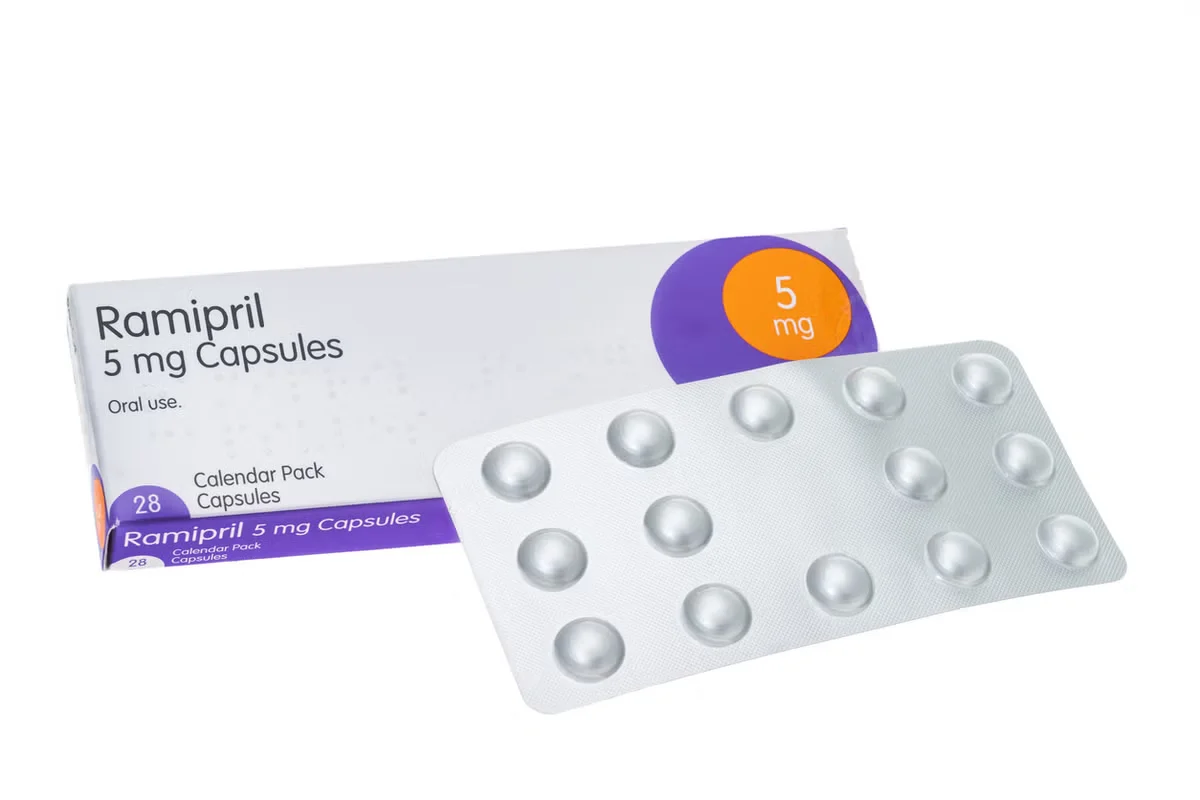
Crescent Pharma recalls Ramipril 5 mg capsules (batch GR164099) after a manufacturing error could have led to cartons containing Amlodipine instead of Ramipril. The MHRA urges patients to check packaging and return affected packs; the risk from having taken the wrong drug is low, but dizziness or other side effects should prompt medical advice, and pharmacies should remove the batch from stock.

Northern Ireland flags two deaths in GLP-1 weight‑loss drug safety reports
health8 months ago

Northern Ireland flags two deaths in GLP-1 weight‑loss drug safety reports

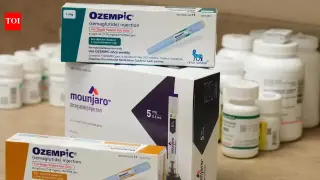
Two deaths in Northern Ireland were reported to the MHRA as potential adverse reactions to GLP‑1 weight‑loss medicines (one tied to Mounjaro, the other to an unspecified semaglutide product), among 511 suspected reports in NI over the last two years. The MHRA cautions that a reported reaction does not prove causation. The dataset also records six pancreatitis cases and shows heavy reporting from healthcare professionals. GLP‑1s are widely used for weight loss and diabetes; in NI, NHS access is restricted, with private options available for some patients. Safety reporting via the Yellow Card scheme is encouraged.

MHRA warns Ozempic/Wegovy could cause rare eye condition
healthcare9 months ago

MHRA warns Ozempic/Wegovy could cause rare eye condition

Britain's MHRA has warned that the diabetes/weight‑loss injections Ozempic (semaglutide) and Wegovy may cause a rare optic nerve condition (NAION) that can lead to sudden vision loss in one eye. The regulator has received three reports, but says the overall risk is very small; with about two million UK users, patients and clinicians are advised to be alert to symptoms and seek urgent eye care if vision changes occur. The warning also notes that pancreatitis is a known but infrequent side effect of GLP-1 weight‑loss drugs.

UK reports triple-digit rise in Mounjaro side effects in 2025, with 71 deaths
health9 months ago

UK reports triple-digit rise in Mounjaro side effects in 2025, with 71 deaths

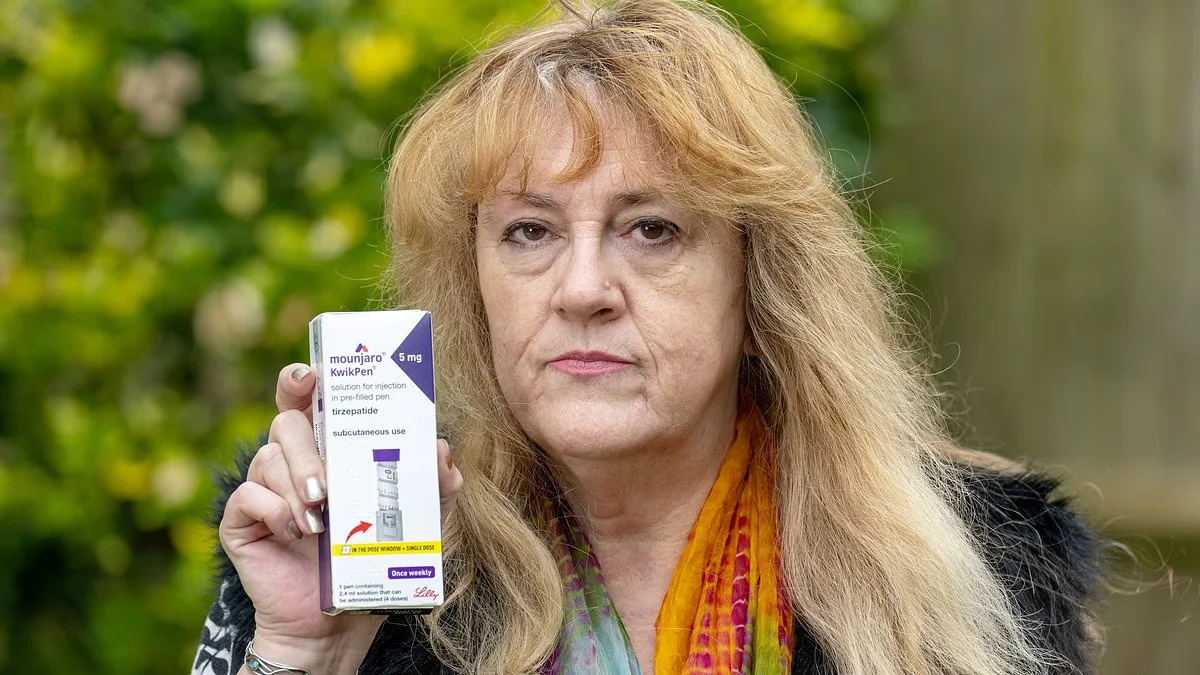
UK health chiefs recorded 40,245 adverse reactions to the diabetes/weight-loss jab Mounjaro in 2025 (6,755 serious; 71 deaths), a roughly 340% rise from 2024. Gastrointestinal disorders were the most common reaction (37,546 reports, 19 fatal). The NHS notes symptoms like nausea and diarrhea, while patients report severe side effects. Eli Lilly says safety is a priority and that risks are monitored. The MHRA updated product info to include a small risk of severe acute pancreatitis for Mounjaro (as well as Wegovy and Ozempic). Regulators stress benefits often outweigh risks, and urge patients to consult doctors about side effects. In the UK, around 1.6 million people are said to have used these lipids-lowering injections in the past year.

UK cautions on rare pancreatitis risk from GLP-1 weight-loss injections
health9 months ago

UK cautions on rare pancreatitis risk from GLP-1 weight-loss injections

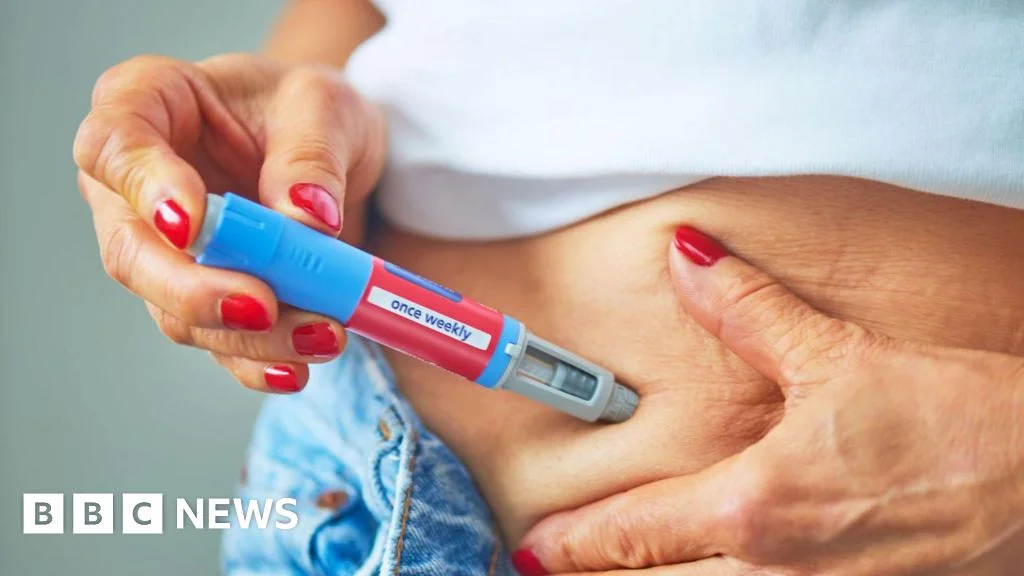
The UK MHRA warns that GLP-1 obesity drugs like Wegovy, Mounjaro, and Ozempic carry a very small but real risk of acute pancreatitis. Users should seek immediate medical attention for severe, persistent stomach pain that may radiate to the back, especially with nausea or vomiting. While hundreds of pancreatitis reports exist, none are confirmed as caused by these medicines. About 1.6 million adults in the UK are estimated to have used GLP-1 products recently. Most patients benefit and are safe, but patients should discuss benefits and risks with their prescriber and report any suspected adverse effects.

MHRA Flags Rare Pancreatitis Risk From GLP-1 Weight-Loss Injectables
health9 months ago

MHRA Flags Rare Pancreatitis Risk From GLP-1 Weight-Loss Injectables

Britain’s MHRA warns that GLP-1 weight‑loss injections (semaglutide, tirzepatide) carry a small risk of pancreatitis. With about 1.6 million users in 2024–25, the Yellow Card scheme has logged 1,143 cases of pancreatitis (acute and chronic) and 17 deaths among GLP-1 users, most in 2025 (807 tirzepatide, 166 semaglutide). Fewer reports exist for liraglutide and dulaglutide. Patients should watch for severe, persistent abdominal pain with nausea and report suspected adverse reactions, while researchers use the Yellow Card Biobank to study genetic risk. Manufacturers reiterate safety and supervised use.

UK investigates pancreas risks linked to weight loss and diabetes jabs
health1 year ago

UK investigates pancreas risks linked to weight loss and diabetes jabs

A study has been launched to investigate serious side effects, including pancreatitis, linked to weight loss drugs like Mounjaro, Ozempic, and Wegovy, after reports of hospitalizations and deaths. The research aims to identify genetic risk factors to improve safety and reduce adverse reactions, with data collection through the MHRA's Yellow Card scheme and saliva samples from affected patients.