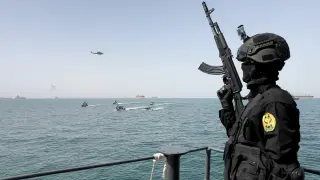
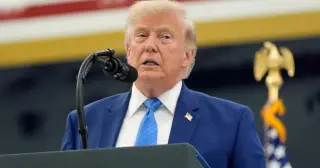
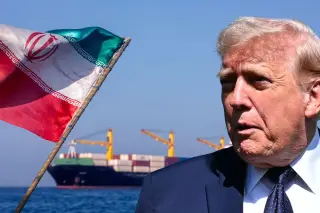
Trump, at a NATO summit, says the Iran nuclear deal is over and hints at future strikes, while analysts warn that Tehran’s internal power split—between IRGC commanders and civilian officials—complicates who can commit to any agreement and raises the stakes around the Strait of Hormuz as negotiations stall and escalation continues.
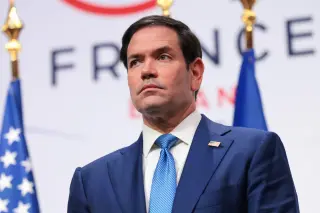
Secretary of State Marco Rubio will travel to the Gulf—meeting UAE, Kuwait and Bahrain—to press allies on the Iran nuclear deal, a high-stakes mission as critics question his hawkish stance and Vice President JD Vance has largely steered public debate on Iran, potentially reshaping U.S. diplomacy amid a fragile Tehran ceasefire.
Iran’s Foreign Ministry said there are no plans to allow IAEA inspectors to access its damaged nuclear facilities, a day after Vice President JD Vance said conversations with inspectors could happen imminently. The stance underscores ongoing disputes over safeguards from the Obama-era deal and highlights broader U.S.-Iran tensions.
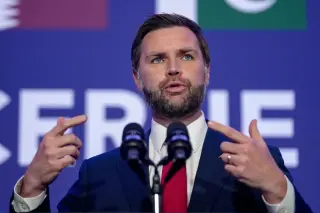
Vice President JD Vance said Iran has agreed to permit International Atomic Energy Agency inspections, restoring safeguards from the Obama-era deal as negotiations continue in Switzerland, with inspections potentially starting as soon as Monday.
Senior U.S. and Iranian negotiators wrap a second day of talks in Switzerland with reported progress toward a final nuclear deal, including potential IAEA inspections and mechanisms to keep the Strait of Hormuz open and a ceasefire in southern Lebanon; meanwhile in Britain, Keir Starmer resigns as Labour leader, triggering a leadership contest.
Sen. Tom Cotton—once the Senate’s most outspoken Iran deal critic—finds himself in a delicate position as Trump pursues a similar framework. As chair of the Intelligence Committee, he’s softened his public critique to preserve leverage on Iran while pushing to complete oversight on the surveillance program and the DNI nomination; his stance highlights the tight spot GOP hawks face, balancing a hawkish past with an administration pursuing a comparable agreement. He’s backed by some colleagues at the leadership level but faces pushback from allies who call for a tougher line, all while his reelection situation adds pressure to navigate the administration’s shifting Iran policy.
Trump criticized Obama's 2015 JCPOA and laid out an initial framework for his own Iran deal that remains largely undefined, with questions about nuclear enrichment, sanctions relief, and asset unfreezing. The plan aims to end fighting and reopen the Strait of Hormuz, but critics warn it lacks specifics, including limits on Iran’s missile program.
The United States and Iran signed an initial agreement to end the war, reopen the Strait of Hormuz, and lift some sanctions on Iranian oil, with future talks planned to address Iran’s nuclear program. The deal, framed as a step toward regional stability and lower energy prices, comes amid U.S.-Israel tensions, as Vice President JD Vance warned Israel against criticizing its ally and noted Israel’s growing international isolation, while Washington also announced that the blockade of Iranian ports had been lifted.
Secret written proposals between the US and Iran aim to implement a 14-point memorandum on Iran’s nuclear program; Iran has not formally signed these extra documents, and critics warn they resemble Obama-era side deals. With a 60-day window of technical talks, the US released the MOU to push forward even as the path to a final, enforceable agreement remains uncertain.
Trump defends his Iran deal as a wall against a nuclear weapon, suggesting it ends the war, reopens Hormuz shipping, and supports the oil market, but critics argue concessions may mirror Obama’s JCPOA and press for the text to be released for full congressional scrutiny amid concerns over sanctions relief and regional implications.
US officials describe the circulated text of the Iran agreement as vague and mainly a political framework meant to set the stage for highly technical talks, noting it does not reflect critical back-channel commitments Iran has offered (such as sanctions relief and unfreezing funds). They argue substantive details will come through ongoing negotiations, while critics push for full disclosure of the framework. The document outlines some financial relief and oil sales but lacks specifics on uranium destruction. A 60-day window of in-person talks is planned, with a signing ceremony in Switzerland as negotiators push toward a final deal.
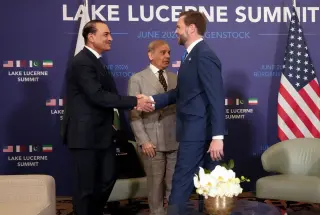
The US and Iran are poised to sign an interim memorandum of understanding that would allow Iran to sell oil and receive sanctions relief while roughly two months of talks on Tehran’s nuclear program proceed; a signing ceremony is planned at the Bürgenstock resort in Switzerland with US Deputy Vice President JD Vance leading the American delegation and Iran expected to be represented by Parliament Speaker Ghalibaf. Bloomberg reports near-final draft language include waivers and energy-financing arrangements, signaling a broader plan to mobilize tens of billions in funds for Iran’s rehabilitation, though European partners warn the Strait of Hormuz remains a fragile bottleneck and both sides retain distrust as negotiations continue.
Slate’s Fred Kaplan argues that Trump’s claim the deal with Iran is ‘complete’ is premature: the arrangement is only a frame with a 60‑day window to resolve major issues—ceasefire terms, sanctions relief, nuclear enrichment details, and control of the Strait of Hormuz—while Israel’s nonparticipation and domestic U.S. politics complicate any durable agreement; both sides have incentives to claim victory, making a true resolution far from guaranteed.
UN Ambassador Mike Waltz praised the nearing Iran deal but would not confirm when it would be signed, saying the administration intends to get it done while highlighting Iran’s leadership and internal disagreements as a complicating factor. He called the agreement a strong memorandum with many details to be worked out in the next round. Trump touted a deal, while Obama expressed skepticism about improvements over the 2015 agreement. If signed, the pact could end months of U.S.-Iran conflict and potentially reopen the Strait of Hormuz, influencing global oil markets.
President Trump urged Israel and Iran not to derail an emerging, Qatar-and-Pakistan-brokered ceasefire deal that could open the Hormuz Strait and pause hostilities. The agreement, described as a 60-day framework for technical talks on Iran’s nuclear program and related issues, may be signed electronically in the coming days. Iranian officials warned against domestic divisions over the deal, while negotiators acknowledge the accord does not resolve core disputes (nuclear ambitions, funding, and proxies) but offers a path to de-escalation and further discussions. The talks come amid continuing tensions and the potential political fallout for those involved, with Trump signaling a broader stance on stabilizing the region at the G7 gathering.