Box Elder County in Utah declared a local state of emergency after a dairy farm tested positive for highly pathogenic avian influenza, triggering quarantine measures that affect about half of the county’s dairy cows and farms and enabling state and federal support to help farmers amid severe milk production losses.
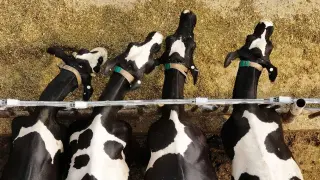
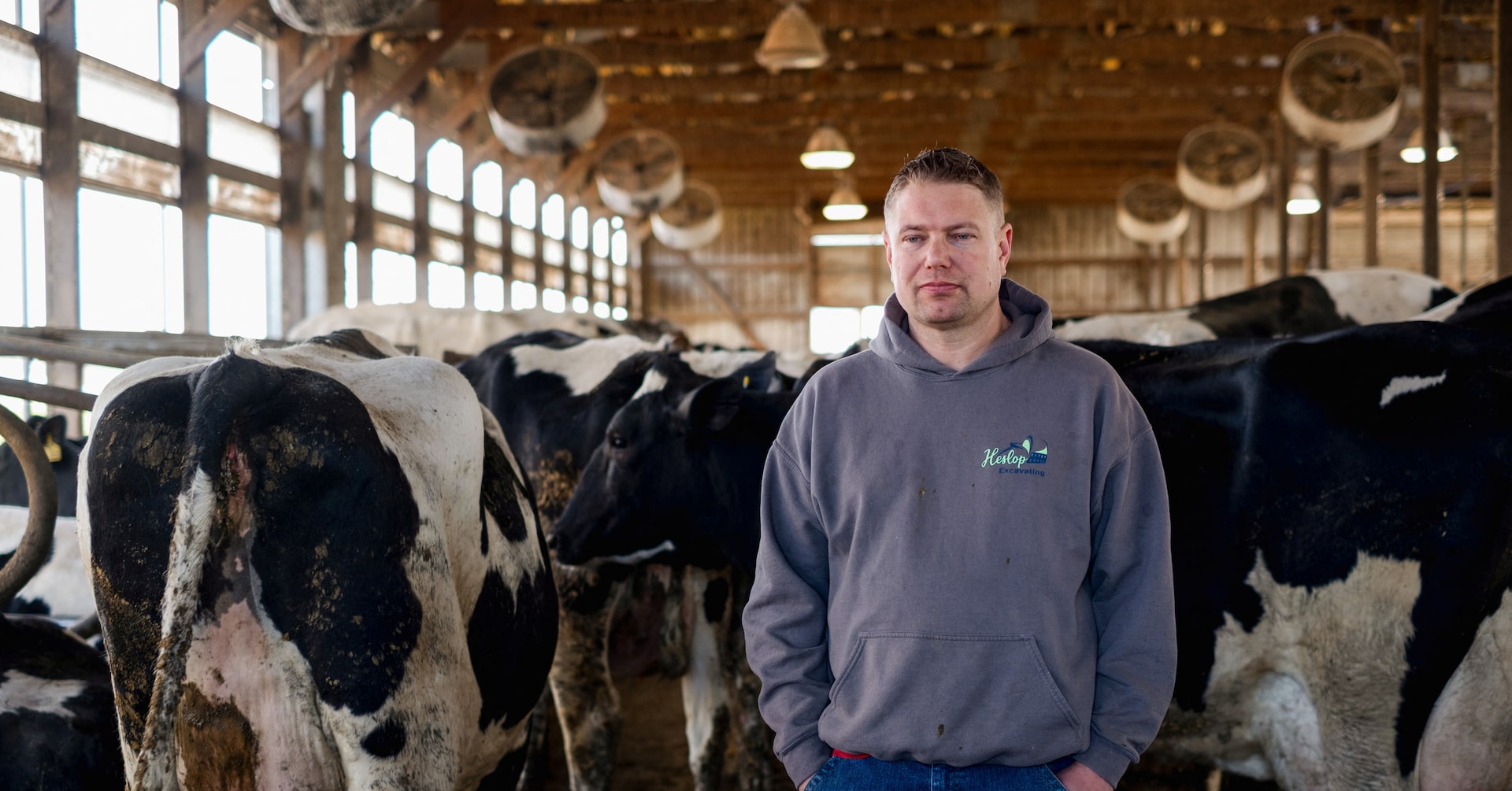
Dairy farmers in the United States are implementing biosecurity measures such as banning visitors, disinfecting vehicles, and cutting down trees to prevent the spread of bird flu, which has affected dairy herds in seven states. The outbreaks have led to reduced milk production and concerns about the virus spreading to animals and humans. Farmers are taking precautions to protect their herds, including isolating sick animals and monitoring for illnesses, while also facing challenges due to uncertainty over how the virus is spreading. The USDA has recommended minimizing cattle movement and testing milk samples, while some states have imposed additional requirements on shipments to protect their herds.
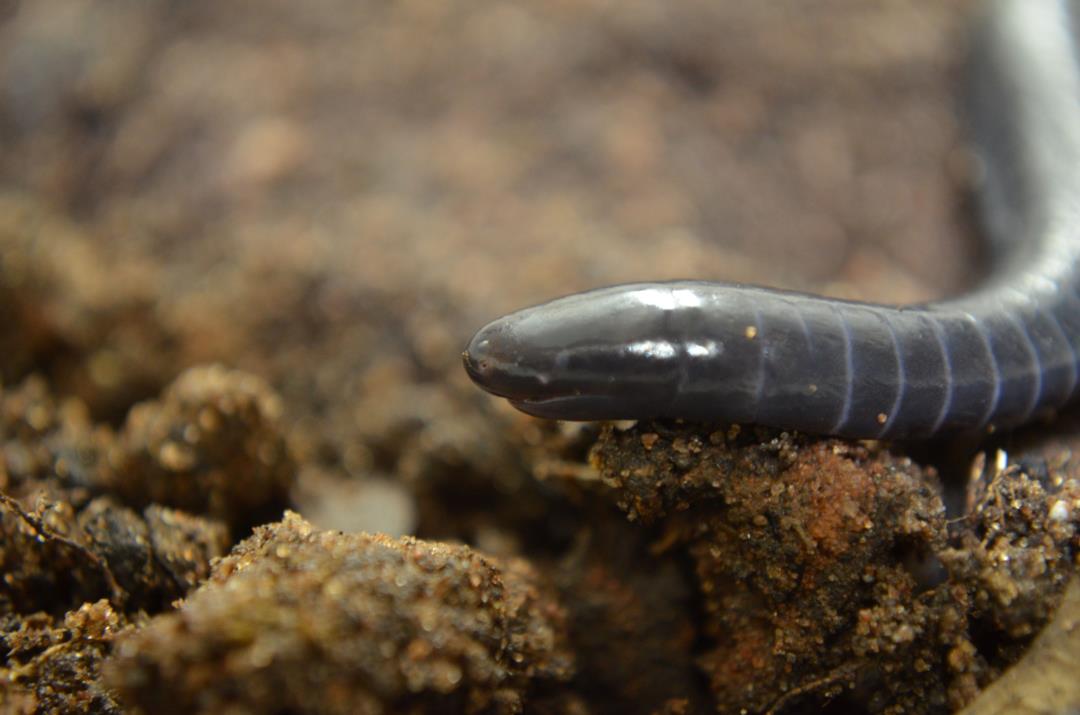
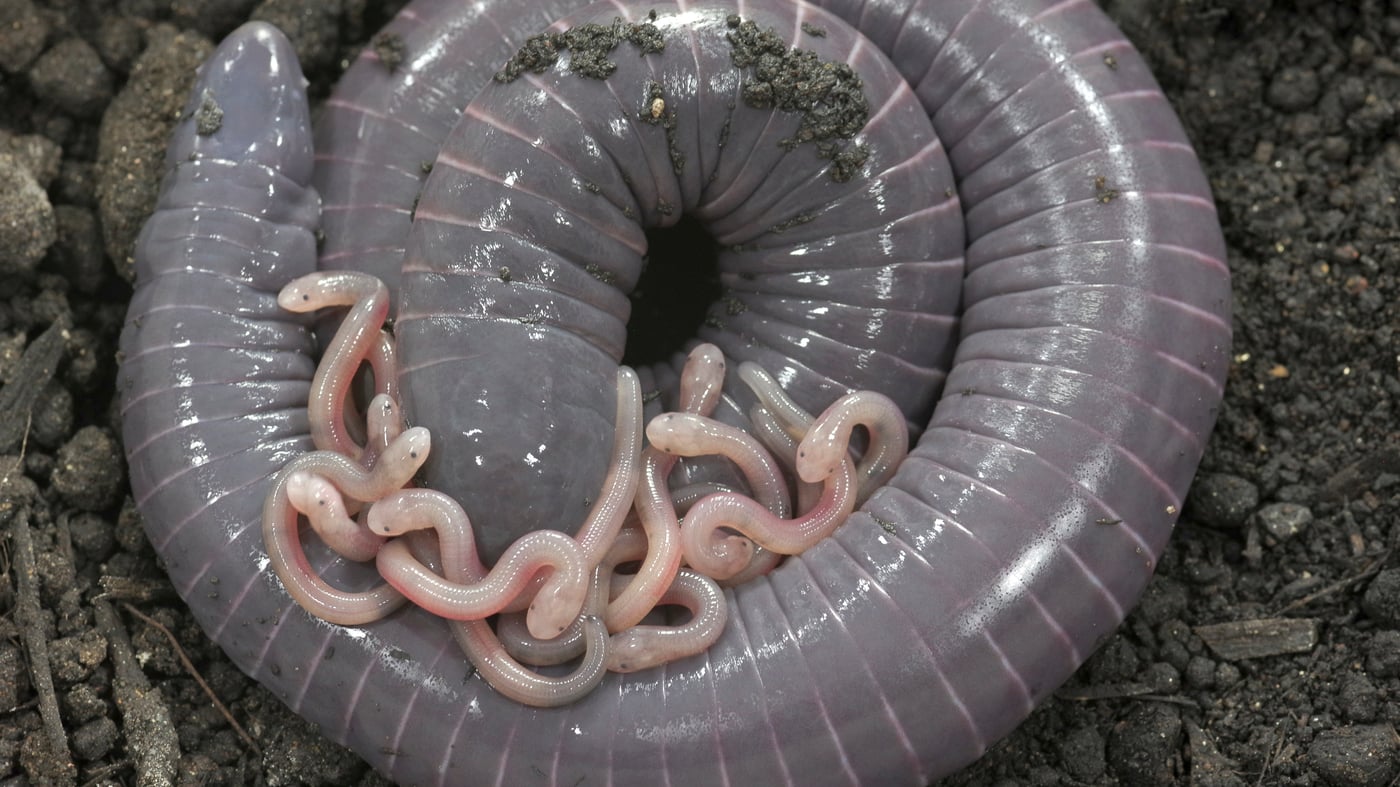
Researchers have discovered that a species of egg-laying caecilian amphibians produce milk to nurse their young, a behavior previously thought to be exclusive to mammals. The mother caecilians have specialized glands in their oviduct walls that produce a fat and carbohydrate-rich milk, which the hatchlings eagerly consume. This discovery challenges previous assumptions about milk production and parental care in vertebrates, highlighting the diverse strategies that have evolved across different animal groups.
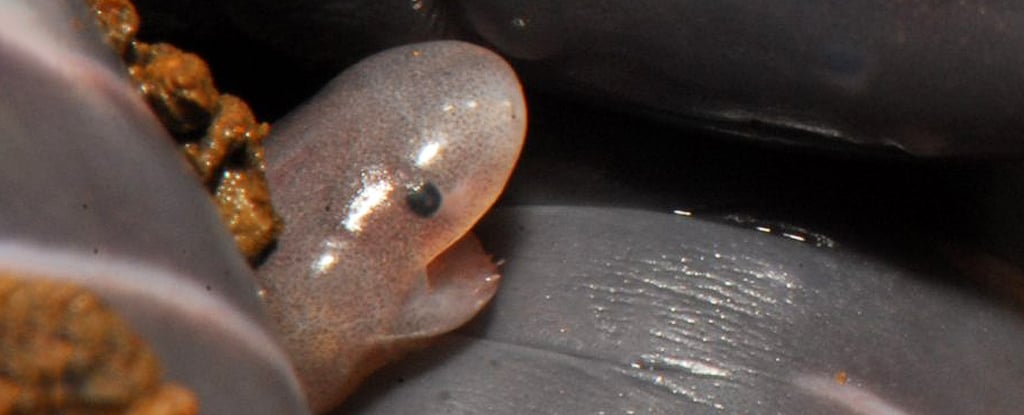
Researchers studying ringed caecilians in Brazil have discovered that the wormlike amphibians produce milk to feed their young, a behavior typically associated with mammals. The milk, mainly composed of lipids and carbs, is released through the maternal vent in response to tactile and acoustic stimulation by the babies. This finding sheds light on the diverse ways in which maternal care and nutrition are provided in the animal kingdom, showcasing the concept of convergent evolution.
Researchers have discovered that a species of caecilian, a worm-like amphibian, produces a milk-like substance to feed its young, a trait previously thought to be exclusive to mammals. The substance contains lipids and sugars similar to mammalian milk and serves a similar nutritional function. This finding suggests convergent evolution, where different species develop similar traits to address common challenges, and highlights the creative solutions nature provides across diverse animal groups.
Researchers from the University of Illinois have developed a breed of cattle that combines the milk production potential of Holsteins and Jerseys with the heat, drought, and disease resistance of Gyrs, an indigenous cattle breed common in tropical countries. These climate-smart cows have the potential to produce up to 20 times more milk than indigenous breeds, offering a game-changing solution for subsistence farmers in Tanzania. The team plans to implant embryos into indigenous cattle in Tanzania to establish a high health-status herd and increase food security. The project aims to create "pure synthetic" cattle with a genetic ratio that maintains disease and pest resistance linked together with milk production. The technology could also be used to protect cattle from changing climates in other regions, such as Mexico, Texas, New Mexico, and California.