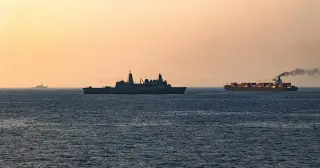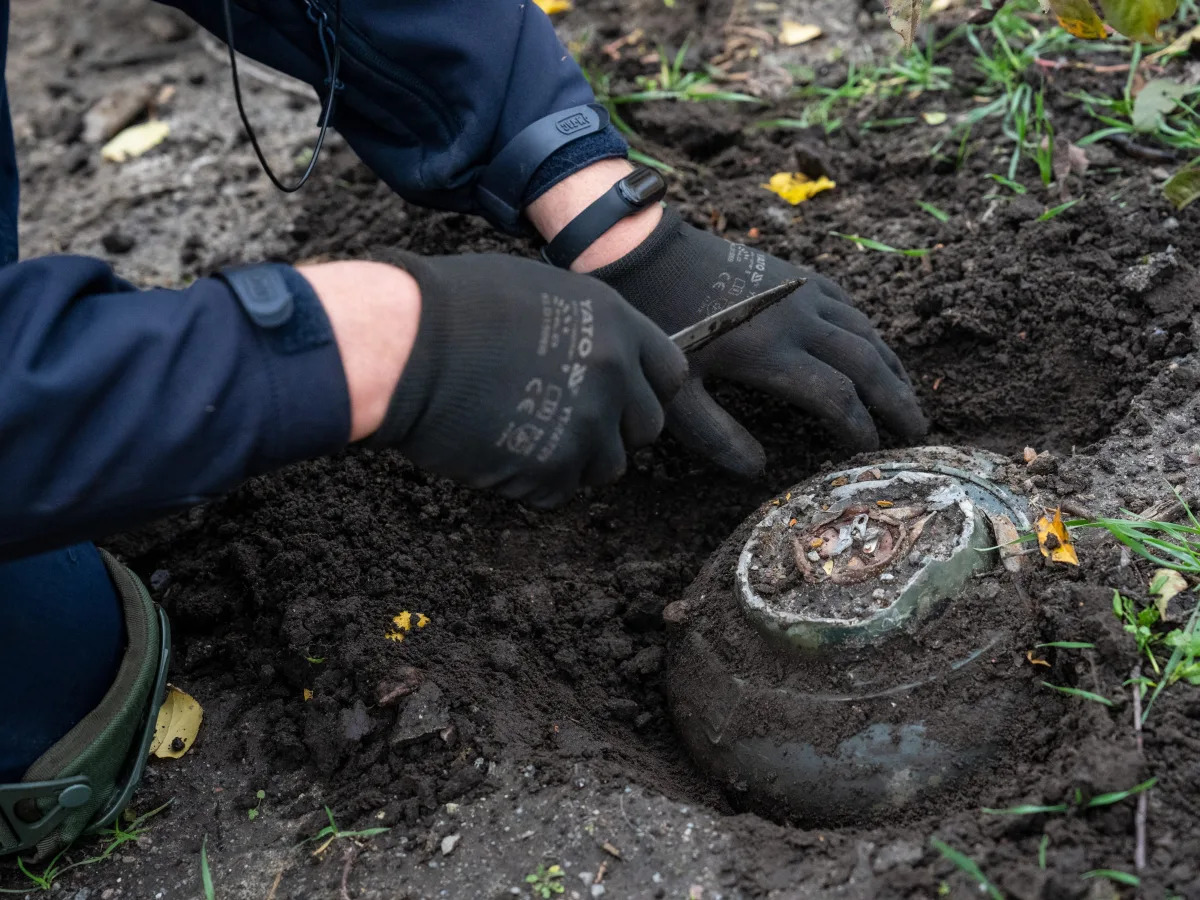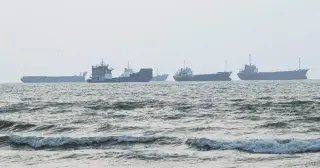
The U.S. is directing commercial ships through a cleared lane in the Strait of Hormuz to avoid Iranian mines, as part of Project Freedom, with CENTCOM coordinating transit and the NGA aiding mine-hunting efforts; two ships have already used the safe route.
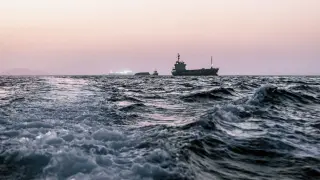
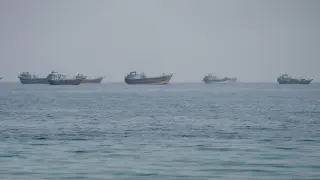
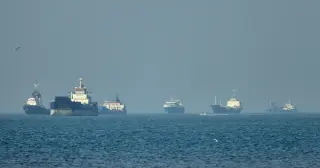
The Strait of Hormuz remains a global chokepoint as the US-Israel–Iran conflict disrupts traffic, with about 2,000 ships stranded. Even if reopened, mine clearance could take six months and war-risk premiums could jump from roughly 0.25% to as high as 1–5% of hull value. Insurers say Hormuz can only be deemed safe after an explicit, durable commitment to freedom of navigation, a lasting ceasefire or political resolution, credible mine clearing and surveillance, and clear rules of engagement, plus sustained normal vessel movement. Until such conditions exist, traffic will face elevated risk and likely remain limited to constrained routes, with pricing not returning quickly to pre-war levels.
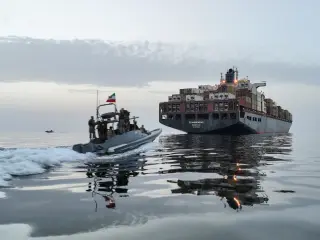
British divers are training in case mine-clearing is needed in the Strait of Hormuz, and the U.K. will offer autonomous mine-hunters as part of a proposed multinational mission to safeguard navigation, announced during London-hosted talks on reopening the strait. The move signals UK willingness to contribute amid tensions with the U.S. over involvement in the Iran-related conflict, as Washington extends the ceasefire and Iran indicates it will not negotiate until the blockade ends; Iran has also seized two ships traveling through the strait.
Two U.S. guided-missile destroyers entered the Strait of Hormuz to locate and clear naval mines, aiming to restore safe commercial shipping as negotiators discuss an extended cease-fire; Iran denies passage while U.S. officials say additional assets will join the clearance in coming days, underscoring the strait’s critical role for global energy flows.
U.S. Central Command says two Navy destroyers transited the Strait of Hormuz and began setting conditions for clearing sea mines laid by Iran’s IRGC, establishing a safe passage and promising to share the new route with the maritime industry as additional assets, including underwater drones, join the operation.
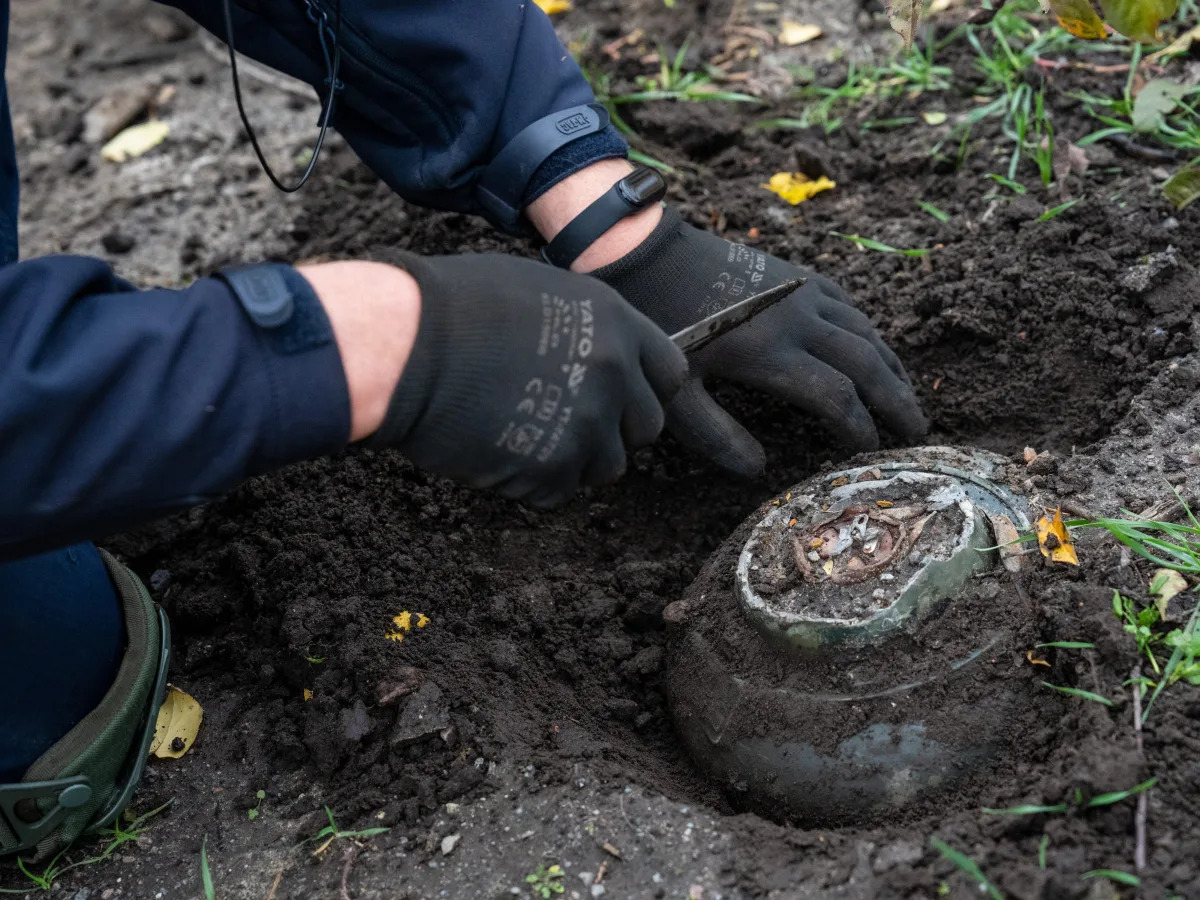
Ukrainian soldiers are using creative tools such as dead animals, fiberglass rods, ropes, and hooks to identify and detonate Russian land mines, which pose a long-term threat to Ukrainian civilians. Landmines are a favorite tactic of the Russian military, resulting in hundreds of military and civilian casualties. The UN estimates that an area four times as large as Switzerland is now potentially unsafe. De-mining Ukraine would cost more than $37 billion.