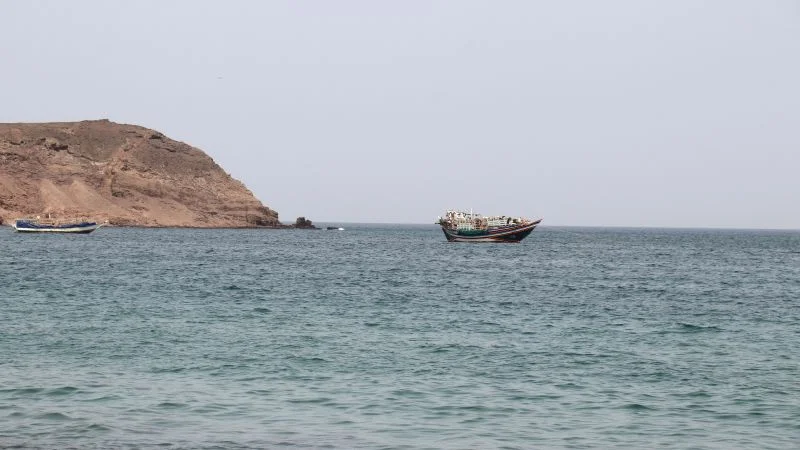
Yemen's Iran-aligned Houthis claim two operations targeting Aramco facilities in Jizan and Yanbu with missiles and drones, following Saudi strikes on Yemen's Hodeidah and prompting security alerts in Red Sea provinces as regional tensions widen amid the US-Iran confrontation.
Russia launched a massive overnight drone and missile campaign on June 14–15 against Ukraine, hitting Kyiv, Dnipro, and Kharkiv with about 70 missiles (including Zirkon, Iskander-M, and Iskander-K/Kh-101) and roughly 611 drones; Ukrainian forces claim to have shot down most weapons, but casualties reached at least 11 killed and 53 wounded, with 140,000 Kyiv residents left without power. Cultural sites were damaged, prompting UNESCO condemnation, and a Kharkiv double-tap strike killed five first responders. ISW assesses the strikes reflect Moscow’s strategy to break Ukrainian resolve while deploying sophisticated information operations to exaggerate gains in places like Kostyantynivka. Zelensky offered to meet Putin at the G7, but Moscow remained non-committal. Ukraine’s own long-range strikes against Russian energy infrastructure continue to cause shortages inside Russia and in occupied areas, contributing to a drawn-out conflict with no rapid breakthrough in Donetsk’s Fortress Belt.
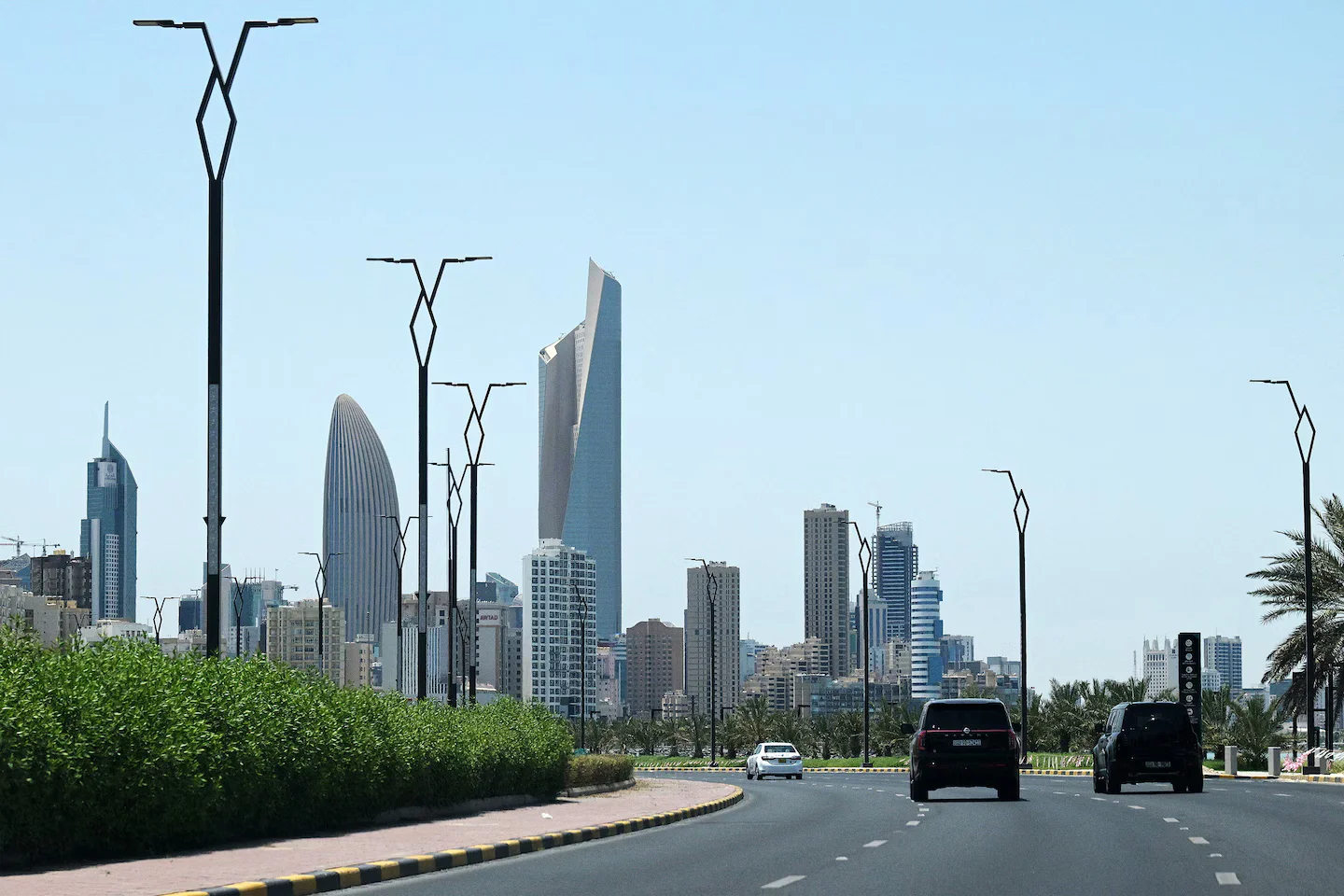
The United States carried out self-defense strikes on an Iranian ground-control station on Qeshm Island after Iran fired missiles at Kuwait and Bahrain. Iran retaliated with missiles and drones targeting Bahrain and Kuwait; some missiles failed or were intercepted, while Iranian drones hit Kuwait International Airport, killing an Indian national and injuring 63 people, prompting flight suspensions. Bahrain intercepted missiles and drones with no reported casualties. Iran’s IRGC claimed strikes on the U.S. Fifth Fleet HQ in Bahrain and an American air base. Talks between the United States and Iran remain deadlocked as regional tensions escalate.
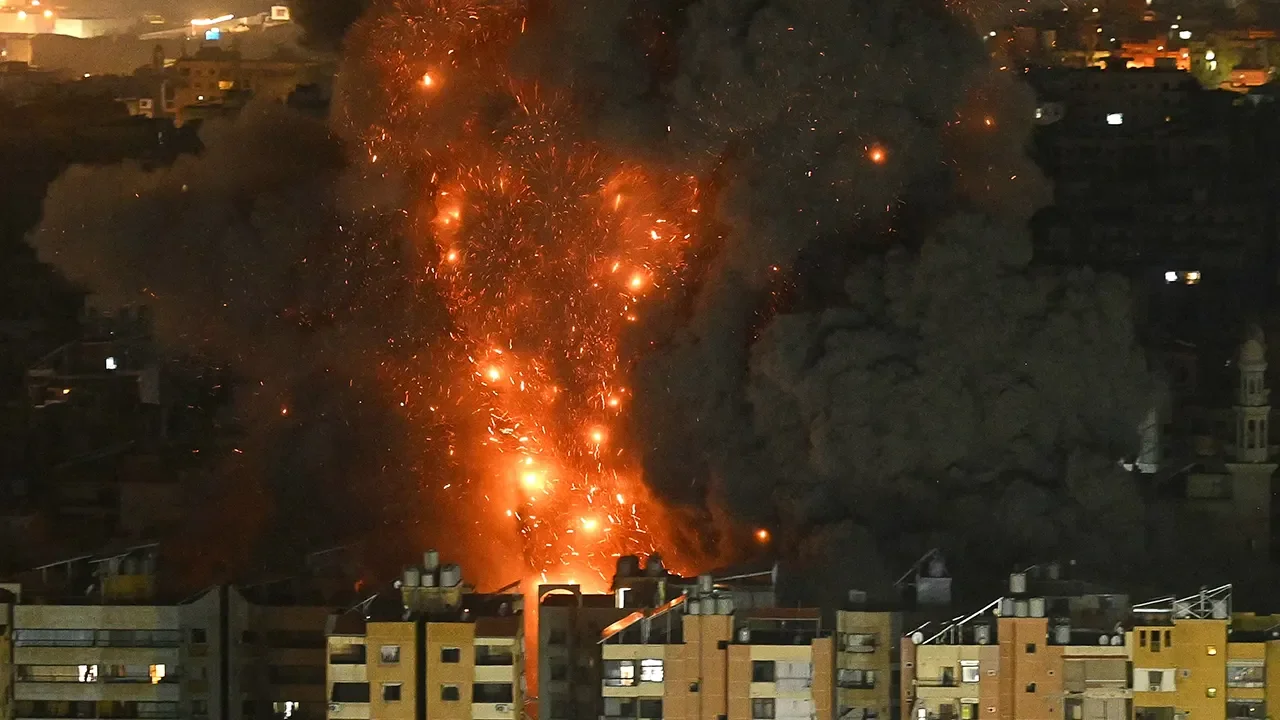
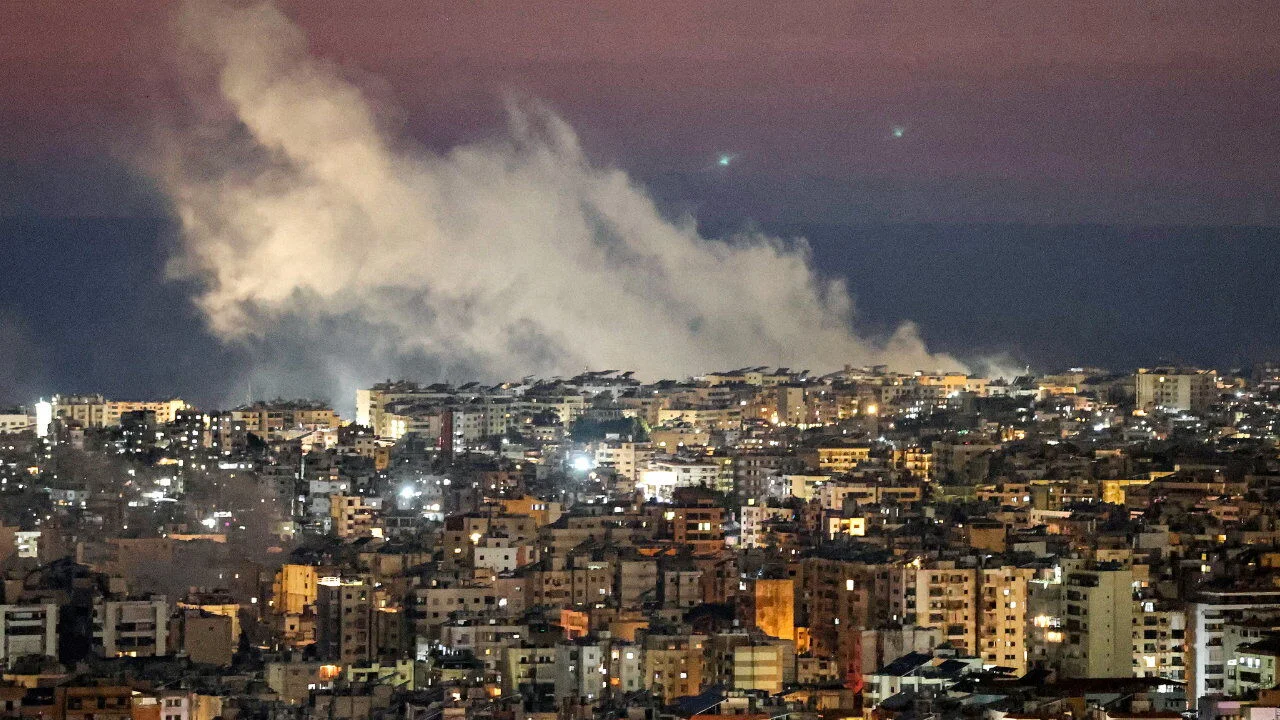
Iran-backed Hezbollah and Iran launched a coordinated attack on Israel with about 200 missiles and drones overnight, triggering Israeli strikes on Hezbollah targets in Beirut’s suburbs. Israel vows retaliation and urges Lebanon to curb Hezbollah, as diplomats urge deescalation amid warnings from experts of a broader regional escalation.
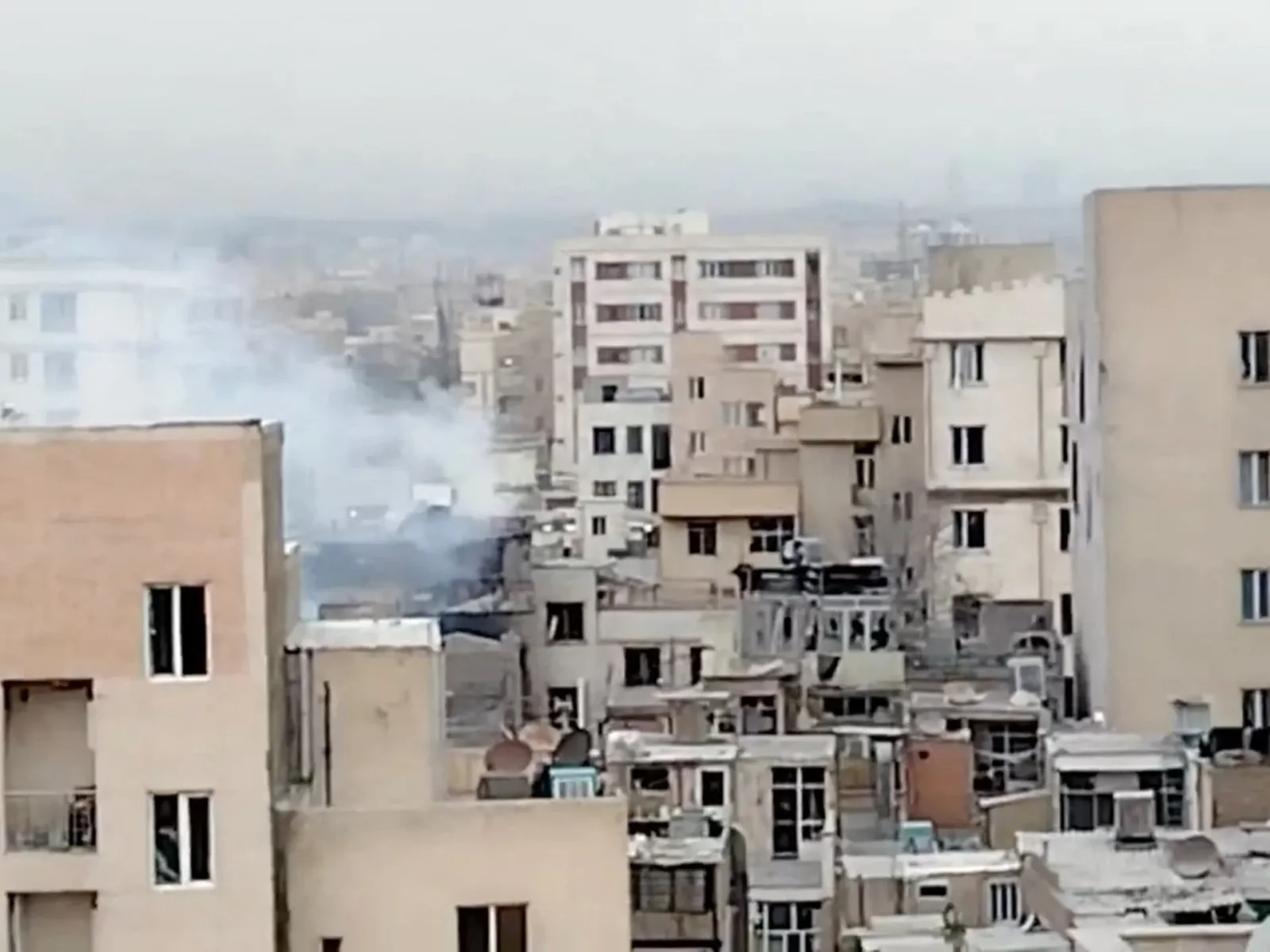
On day 12 of the US-Israel campaign against Iran, Tehran says nearly 10,000 civilian sites have been bombed and more than 1,300 civilians killed, as Iran conducts retaliatory strikes on Israel and US bases in the Gulf. The fighting has widened with air and missile attacks across Iran, the Gulf, and Lebanon, energy prices rise, and US casualties mount (about 140 wounded and seven killed). More than 43,000 Americans have been evacuated from the region, and diplomatic efforts to de‑escalate are intensifying amid regional security alerts and ongoing military activity.
The article portrays a rapidly widening war in which U.S. and Israeli airstrikes on Iran are followed by Iran’s widespread retaliation with missiles and drones across nine countries; officials frame war aims as focused on Iran’s missile force rather than regime change, raising questions about how far the conflict could escalate and what parts of the region could bear the consequences.