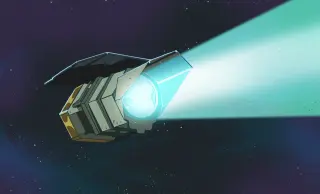
NASA’s Nancy Grace Roman Space Telescope now has enough fuel for at least 22 years of operations, double its original 10-year plan. This extension results from a lighter-than-planned spacecraft mass, a precise launch, and highly efficient initial trajectory corrections.
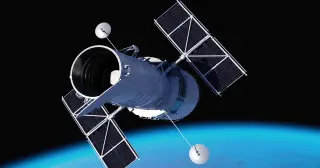
NASA has reconfigured the Hubble Space Telescope to operate on a single healthy gyroscope, preserving two spare units to extend its life into the mid‑2030s after gyro faults and a 2024 safe mode. The one‑gyro mode, developed in the 2000s, slows slews and restricts targets (notably near Mars and Earth‑bound observations), reducing scheduling efficiency by about 12% and overall scientific productivity by roughly 20–25%. The root cause is corrosion of gyro fluid; there are no funded plans to replace gyros or pursue servicing. Hubble now sits alongside JWST and the Roman Space Telescope in a complementary lineup, continuing science until it gradually winds down.
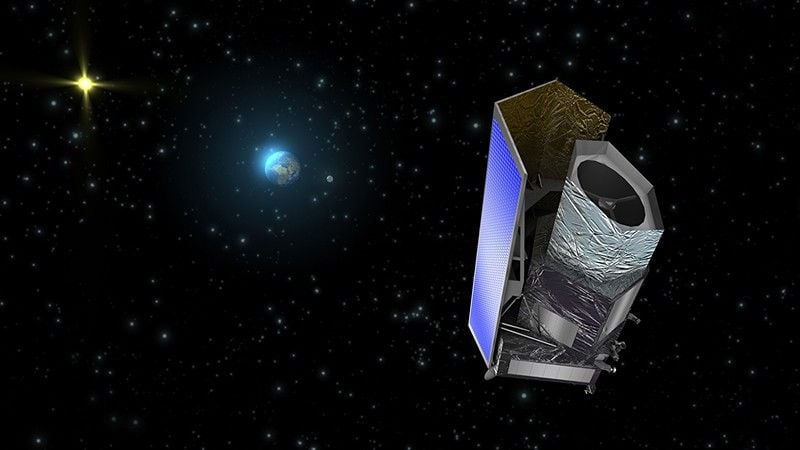
Scientists propose extending the Euclid space telescope's mission by using its remaining fuel to perform additional observations, which could enable the measurement of proper motion and parallax of faint objects, vastly enhancing our understanding of the universe beyond its original goals.
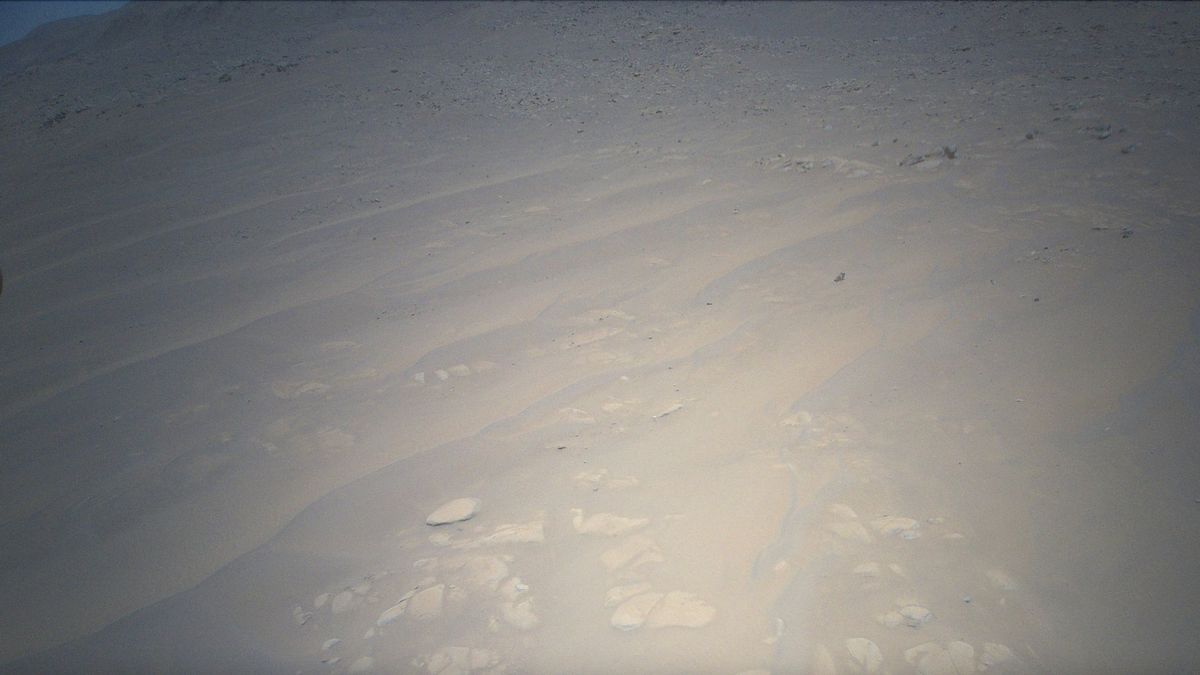
NASA's Ingenuity helicopter completed its 63rd flight on Mars, covering a distance of 1,901 feet, its longest since Flight 25. The 4-pound rotorcraft reached a maximum altitude of 39 feet and a top speed of 14.1 mph. Originally tasked with demonstrating powered flight on Mars, Ingenuity has now been granted a mission extension and is serving as a scout for NASA's Perseverance rover.
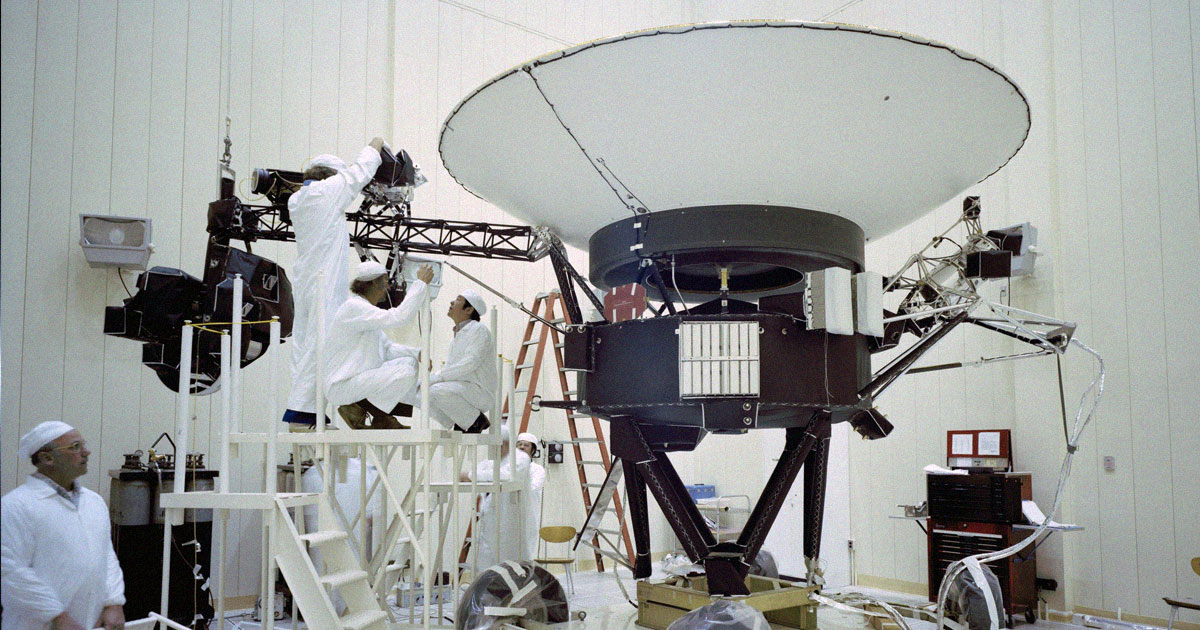
NASA has found a way to extend the mission of Voyager 2 by another three years, despite the probe being more than 12 billion miles from Earth and having been launched in 1977. The probe recently switched to its backup power reserves, which will allow its five scientific instruments to keep studying interstellar space until at least 2026. Voyager 2 and its twin Voyager 1 became the first spacecraft to ever beam back data from outside of the heliosphere, and reached the boundary of interstellar space in 2018.