Miro1 Accumulation Identified as Key Driver of Muscle Insulin Resistance in Type 2 Diabetes
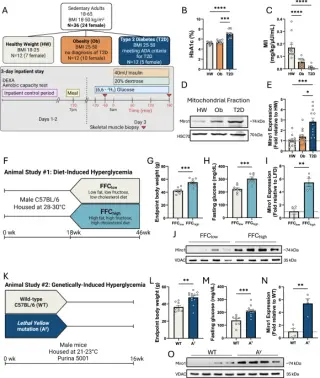
A new study identifies Miro1, a mitochondrial membrane protein, as a central regulator of insulin resistance in type 2 diabetes. Researchers found that Miro1 accumulates in the skeletal muscle of diabetic patients and mice, impairing glucose uptake and oxidative capacity. This buildup results from defective insulin signaling at the mitochondrial level, specifically a failure of AKT to interact with Miro1. Crucially, a randomized controlled trial demonstrated that 12 weeks of exercise training reduces Miro1 accumulation, improves mitochondrial structure, and restores insulin sensitivity. Genetic deletion of Miro1 in mice confirmed that its removal enhances glucose disposal and mitochondrial function, suggesting it as a potential therapeutic target.