Tag

Insulin Resistance

All articles tagged with #insulin resistance

Juice Isn’t a No-Calories Elixir: Big Study Links 100% Fruit Juice to Weight Gain
health21 days ago

Juice Isn’t a No-Calories Elixir: Big Study Links 100% Fruit Juice to Weight Gain

A large meta-analysis published in JAMA Pediatrics found that each additional daily serving of 100% fruit juice is linked to weight gain in both children and adults (about a 0.03 BMI increase per serving in kids and 0.02 in adults). Experts say this may be due to extra calories and rapidly digested sugars from juice, plus the fiber lost when juicing. The takeaway is to prioritize whole fruit, choose 100% juice with no added sugars, limit juice to roughly 4–6 ounces if you drink it, and consider diluting with sparkling water to keep portions small while still enjoying the beverage.

Seven hours of sleep linked to lower diabetes risk, study finds
health23 days ago

Seven hours of sleep linked to lower diabetes risk, study finds

A large observational study of about 25,000 people (2009–2023) found that roughly seven hours and 18 minutes of nightly sleep was associated with the lowest insulin resistance, while both shorter and longer sleep linked to worse metabolic markers; weekend catch-up sleep did not offset deficits, and self-reported data limit causal conclusions. Experts say sleep is important for metabolic health but not a standalone solution, with guidance generally suggesting about 7–9 hours of regular, high‑quality sleep to help reduce diabetes risk.

Smartwatch data plus routine labs power scalable insulin-resistance screening
healthcare25 days ago

Smartwatch data plus routine labs power scalable insulin-resistance screening

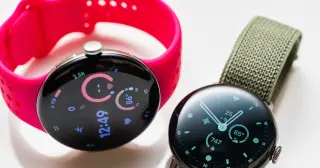
The WEAR-ME study (n=1,165) shows that combining wearable time-series data with demographics and routine blood biomarkers can predict insulin resistance (HOMA-IR ≥2.9) with AUROC around 0.80. Using a wearable foundation model to derive richer representations further improves performance, achieving AUROC ~0.82 in cross-validation, and up to ~0.88 when fasting glucose and a lipid/metabolic panel are included. An independent validation cohort confirms gains with wearable data, and an LLM-based insulin-resistance literacy agent is demonstrated to contextualize results and provide personalized guidance. The work proposes a scalable, noninvasive screening approach to identify at-risk individuals for early lifestyle interventions to prevent type 2 diabetes, while noting limitations in data missingness, generalizability, and the need for longitudinal validation.

Around 7.3 Hours of Sleep May Minimize Insulin Resistance, Study Suggests
health1 month ago

Around 7.3 Hours of Sleep May Minimize Insulin Resistance, Study Suggests

A cross‑sectional NHANES analysis found that about 7.32 hours of weekday sleep is linked to the best estimated glucose disposal rate (eGDR), a marker of insulin sensitivity; sleeping more beyond this threshold is associated with lower eGDR. Weekend catch‑up sleep helped those who slept less than 7.32 hours but may worsen insulin resistance if it exceeds two hours, with stronger effects in women, middle‑aged adults, and those with BMI ≥30. The study cannot prove causation and relies on self‑reported sleep, so results should be interpreted cautiously. The takeaway is to aim for consistent 7–8 hours per night and moderate weekend catch‑up if needed.

Unlocking the Diabetes Sleep Window: 7 Hours 19 Minutes
health1 month ago

Unlocking the Diabetes Sleep Window: 7 Hours 19 Minutes

A study of more than 10,000 adults links a nightly sleep of 7.32 hours (7 hours 19 minutes) with lower insulin resistance and diabetes risk. Sleeping significantly less or more than this duration may raise risk, with effects varying by sex and age. Weekend catch-up sleep helps only for those with weekday sleep debt (about 1–2 hours); for others, extra weekend sleep can worsen risk. Findings support personalized sleep guidance as a key part of diabetes prevention.

Budget-Friendly Metformin Cuts Insulin Dose in Type 1 Diabetes, Trial Shows
health1 month ago

Budget-Friendly Metformin Cuts Insulin Dose in Type 1 Diabetes, Trial Shows

A 26-week randomized trial (INTIMET) in 40 adults with long-standing type 1 diabetes found metformin did not improve insulin resistance or glucose control, but reduced total daily insulin requirements by about 12% compared with placebo, suggesting metformin may ease the insulin burden rather than reverse insulin resistance; researchers are exploring whether gut microbiome interactions explain the effect.

Vitamin D May Slow Diabetes Risk in Prediabetes
health2 months ago

Vitamin D May Slow Diabetes Risk in Prediabetes

A meta‑analysis of about 4,500 people with prediabetes across 10 trials found vitamin D supplementation modestly increased the share who reached normal blood sugar (18.5% vs 14% on placebo), suggesting potential improvements in glycemic control and insulin resistance, though effects vary and aren’t guaranteed. Experts say vitamin D should complement—not replace—lifestyle changes (low‑glycemic diet, weight management, regular exercise) and medical guidance; typical study doses were around 4,000 IU daily, with precautions against toxicity and the need to check vitamin D levels with a clinician.

Metabolic Health Demystified: Why Weight and Inflammation Drive Long-Term Risk
health2 months ago

Metabolic Health Demystified: Why Weight and Inflammation Drive Long-Term Risk

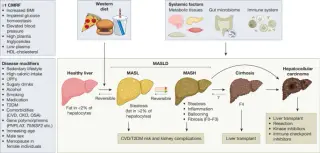
Metabolic health hinges on avoiding metabolic syndrome, defined by at least three of: central obesity, high triglycerides, low HDL, high blood pressure, and high blood sugar. With roughly three-quarters of US adults being overweight or obese, excess fat—especially visceral fat—drives inflammation and insulin resistance, elevating risk for heart disease, kidney disease, diabetes, MASLD, and some cancers. Prevention focuses on weight loss and lifestyle changes (quit smoking, more exercise, heart-healthy diets like Mediterranean/DASH, adequate sleep). If needed, GLP-1 medications can reverse obesity and reduce downstream risks. Early warning signs such as rising blood pressure or glucose should prompt medical advice to halt progression.

Majority of Indian IT workers suffer from fatty liver, unaffected by calorie cuts
health3 months ago

Majority of Indian IT workers suffer from fatty liver, unaffected by calorie cuts

A high prevalence of fatty liver disease (84%) among Indian IT employees is linked to insulin resistance, high carbohydrate intake, and genetic factors, with sugar consumption—especially fructose—playing a key role in liver fat accumulation and inflammation, which can lead to serious liver and cardiovascular complications. Simply cutting calories or fat isn't enough; addressing insulin resistance and dietary habits is crucial.

Hidden Foods That Spike Blood Sugar More Than You Think
health5 months ago

Hidden Foods That Spike Blood Sugar More Than You Think

Gastroenterologist Dr. Pal warns that common foods like white bread, white rice, sugary cereals, pastries, and sodas can cause blood sugar spikes and insulin resistance, which are linked to fatigue, cravings, and metabolic issues. He emphasizes that these effects are often due to everyday foods disguised as healthy and that lifestyle changes such as eating whole foods, exercising, and managing stress can reverse insulin resistance.

Reversing Pre-Diabetes: Science-Backed Lifestyle Changes Beyond Weight Loss
health5 months ago

Reversing Pre-Diabetes: Science-Backed Lifestyle Changes Beyond Weight Loss

Pre-diabetes, a reversible condition characterized by elevated blood sugar levels, can be effectively managed and potentially reversed through lifestyle modifications such as weight loss, regular exercise, a whole food diet, adequate sleep, stress management, quitting smoking, and monitoring progress, supported by scientific research.