Tag

Mobile Security

All articles tagged with #mobile security

ZTE RedMagic 9S Pro+ Patched for Local Race Condition Flaw
cybersecurity1 hour ago

ZTE RedMagic 9S Pro+ Patched for Local Race Condition Flaw

ZTE has addressed a medium-severity logical flaw in the Nubia RedMagic 9S Pro+ smartphone. The vulnerability, identified as CVE-2026-118878, stems from a Time-of-check to Time-of-use (TOCTOU) race condition. It allows local attackers to compromise data confidentiality if the victim interacts with the device. The issue affects firmware versions released on or before GEN_CN_NX769SV3.0.0B07. ZTE has issued a security bulletin to patch the defect, which carries a CVSS 3.1 score of 5.5.

Patched iOS Flaw Allowed Apps to Bypass Microphone Permission Checks
technology6 days ago

Patched iOS Flaw Allowed Apps to Bypass Microphone Permission Checks

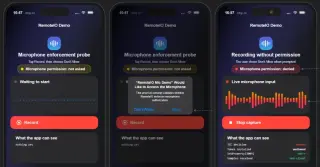
A vulnerability in Apple’s audio service allowed apps to record audio even after users denied microphone permission. The flaw, tracked as CVE-2026-65339, was patched in August 2026 updates for iOS, iPadOS, and other Apple platforms. Researchers found that the system failed to properly verify the identity of the process requesting audio access, allowing apps to impersonate the audio service. No evidence of active exploitation has been reported, but the issue affected devices running iOS 26.6 and earlier versions. Apple’s fix requires apps to possess a private entitlement to override the client identity, which standard apps cannot self-grant.

Google Confirms Android Pulse Is a Background System Service for Monitoring Resource Usage
technology2 months ago

Google Confirms Android Pulse Is a Background System Service for Monitoring Resource Usage

Google has officially confirmed that the recently surfaced 'Android Pulse' app is a background system service designed to monitor and detect anomalous resource consumption. The update, which appeared on millions of devices without user consent, aims to improve device stability by identifying apps that drain battery or memory excessively. While Google states the tool is harmless and intended to enhance reliability, users have expressed concern over its broad permissions and lack of transparency.

Android 17 QPR2 Beta 3 expands cellular threat detection and customization
technology3 months ago

Android 17 QPR2 Beta 3 expands cellular threat detection and customization

Google’s Android 17 QPR2 Beta 3 update introduces a persistent SIM security timeline to log modem-detected threats, details active encryption ciphers, and adds alerts for specific cellular attacks like jamming and downgrade attempts. The update also enhances customization with a Quick Settings layout editor, new color sliders, and per-app locks, though it remains in beta until a stable release in December 2026.

Security flaws expose therapy data in popular Android mental-health apps
technology9 months ago

Security flaws expose therapy data in popular Android mental-health apps

Researchers found 1,575 vulnerabilities across 10 Android mental-health apps with more than 14.7 million total installs, including insecure URI handling, local data exposure, hardcoded API endpoints, and weak token generation, potentially exposing therapy transcripts and other sensitive data; it's unclear if the issues have been fixed.

AI-driven Android trojan covertly clicks hidden ads via phantom mode
security10 months ago

AI-driven Android trojan covertly clicks hidden ads via phantom mode

Researchers have uncovered a new Android click-fraud Trojan family that uses TensorFlow.js to visually identify ad elements and automatically click them. It runs in two modes: phantom, which uses a hidden WebView-based browser to load pages and a loaded ML model to tap the correct UI elements, and signalling, which streams a live video of the virtual screen via WebRTC to allow attackers to perform actions in real time. The malware is distributed through Xiaomi GetApps by infected games, and via third-party APK sites and Telegram/Discord channels promoting modified apps. Impact includes battery drain and higher data usage; users are advised to avoid sideloading apps outside Google Play.

technology1 year ago

F-Droid Criticizes Google Over Sideloading and App Verification Claims

The article advocates for moving away from Google's control of Android towards open-source alternatives like PostmarketOS, emphasizing the importance of open platforms for user freedom, privacy, and innovation. It discusses the challenges posed by corporate control, security concerns, and regulatory issues, urging collective effort and legislative action to promote open technology and reduce dependency on proprietary systems.

ClayRat Spyware Targets UAE Android Users Through Fake Apps and Messaging
mobile-security1 year ago

ClayRat Spyware Targets UAE Android Users Through Fake Apps and Messaging

ClayRat is a sophisticated Android spyware campaign targeting users in Russia by impersonating popular apps like WhatsApp and TikTok through fake websites and Telegram channels. It can exfiltrate sensitive data, take photos, and propagate itself by sending malicious links to contacts. The malware uses obfuscation and fake app installers to bypass security measures, and while Google Play Protect offers some protection, the threat highlights ongoing risks from pre-installed apps with elevated privileges.

Unity Security Flaw Exposes Games and Crypto Wallets, Urging Immediate Action
technology1 year ago

Unity Security Flaw Exposes Games and Crypto Wallets, Urging Immediate Action

A vulnerability in the Unity game engine could allow malicious code to target Android users' crypto wallets, with patches being rolled out to fix the issue. Users are advised to update their games, avoid sideloading apps, and practice good security hygiene to protect their wallets. The vulnerability affects Unity projects dating back to 2017 and could potentially lead to device compromise or credential theft.

Beware of Texting Scams: Protect Yourself from Digital Deception
technology1 year ago

Beware of Texting Scams: Protect Yourself from Digital Deception

The FBI warns against replying to unknown or suspicious text messages, which are increasingly used by organized criminal gangs for scams like fraud and romance schemes. Experts recommend verifying sender identities independently and using tools like Australia's Truyu app or MalwareBytes' Scam Guard to detect and prevent these scams, which pose significant risks to personal data and finances.