Cuba Faces Island-wide Blackout as Energy Crisis Deepens
Cuba is hit by an island-wide blackout as it struggles with a deepening energy crisis, plunging Havana into darkness and prompting long fuel lines as authorities work to stabilize the grid.
All articles tagged with #fuel shortage

Cuba is hit by an island-wide blackout as it struggles with a deepening energy crisis, plunging Havana into darkness and prompting long fuel lines as authorities work to stabilize the grid.

Millions of Cubans faced widespread blackouts after an unexpected shutdown at a major power plant highlighted Cuba's precarious fuel supply, worsened by a US embargo and limited Venezuelan oil, with western regions and Havana affected and services like air travel disrupted.

AeroRoutes’ Week 12 update (as of 11JAN26) notes that Canadian carriers are gradually suspending Cuba service from mid-February through late April 2026 due to aviation fuel shortages. Air Canada, Air Transat, and WestJet (including Sunwing routes) have published numerous Cuba itineraries from Canadian hubs (e.g., Montreal, Toronto, Halifax, Ottawa, Quebec City) to Varadero, Cayo Coco, Holguin, Santa Clara, Havana, and other destinations, with frequencies based on OAG schedules as of 11JAN26.

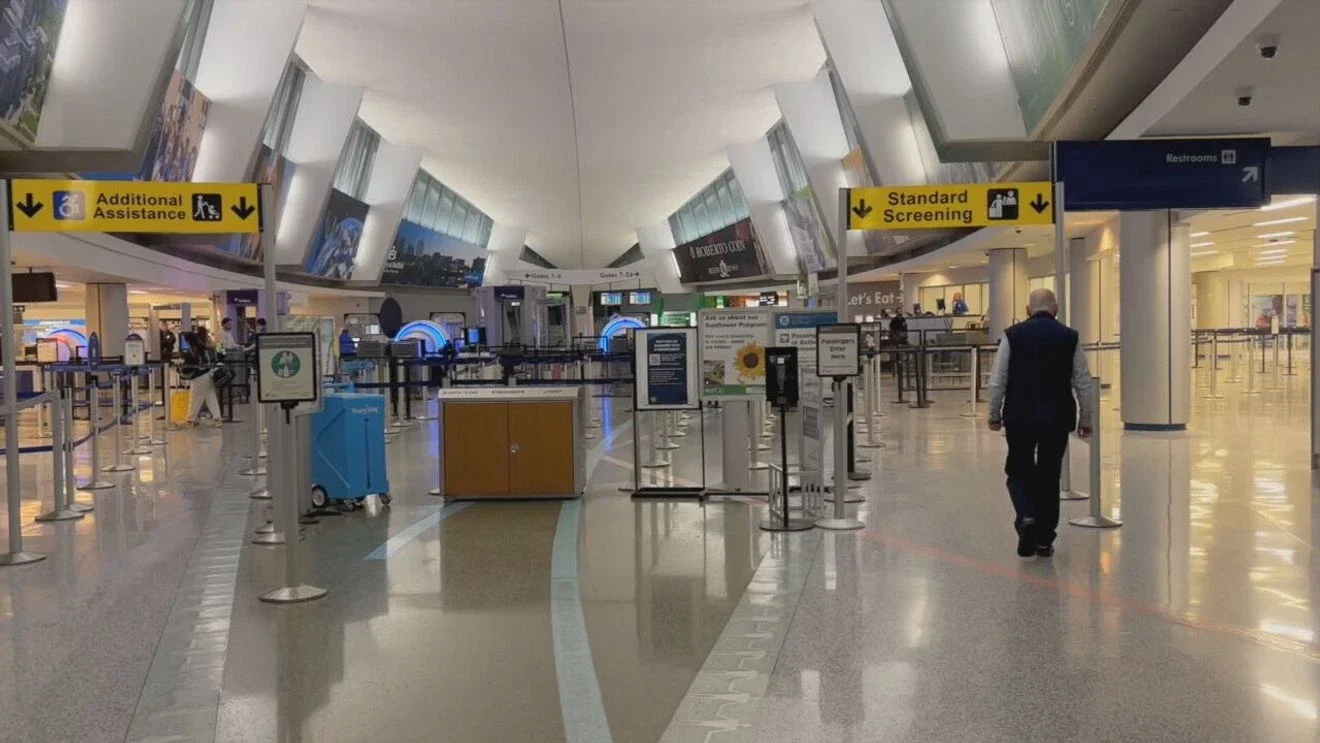
Cuban officials warned that jet fuel won’t be available at nine airports through March 11, signaling a deepening energy crisis worsened by U.S. sanctions; airlines have suspended or delayed flights and may refuel in nearby countries, as authorities tighten energy measures that threaten long-haul routes and the tourism industry.

A US-led squeeze on Cuba’s oil supplies is creating jet-fuel shortages, prompting Air Canada to suspend direct flights to Cuba and forcing other carriers to adjust schedules or refuel en route; Iberia and Air Europa must land in the Dominican Republic for refueling, while American, Delta, and Aeromexico say they’ll continue flying with logistical tweaks. Cuba has announced austerity measures to conserve resources, prioritizing urgent health care and limiting hospital stays, surgeries, and transport; blackouts and long gas lines add to daily hardship. Officials attribute much of the crisis to sanctions and underinvestment, with international players offering aid and calls for dialogue continuing.

Cuba says international airlines can no longer refuel there due to a kerosene shortage, with aviation fuel set to run out by Monday and airports nationwide affected for about a month; the move comes as the Trump administration threatens tariffs on any oil supplied to Cuba, with Russia calling the situation truly critical and Havana planning fuel rationing measures as Mexico considers humanitarian aid.

Washington’s move to tariff oil to Cuba and hints of a blockade, combined with Mexico halting shipments and dwindling reserves, could leave Cuba short of fuel within weeks, risking deeper blackouts, disrupted transport and a worsening economy for ordinary Cubans.

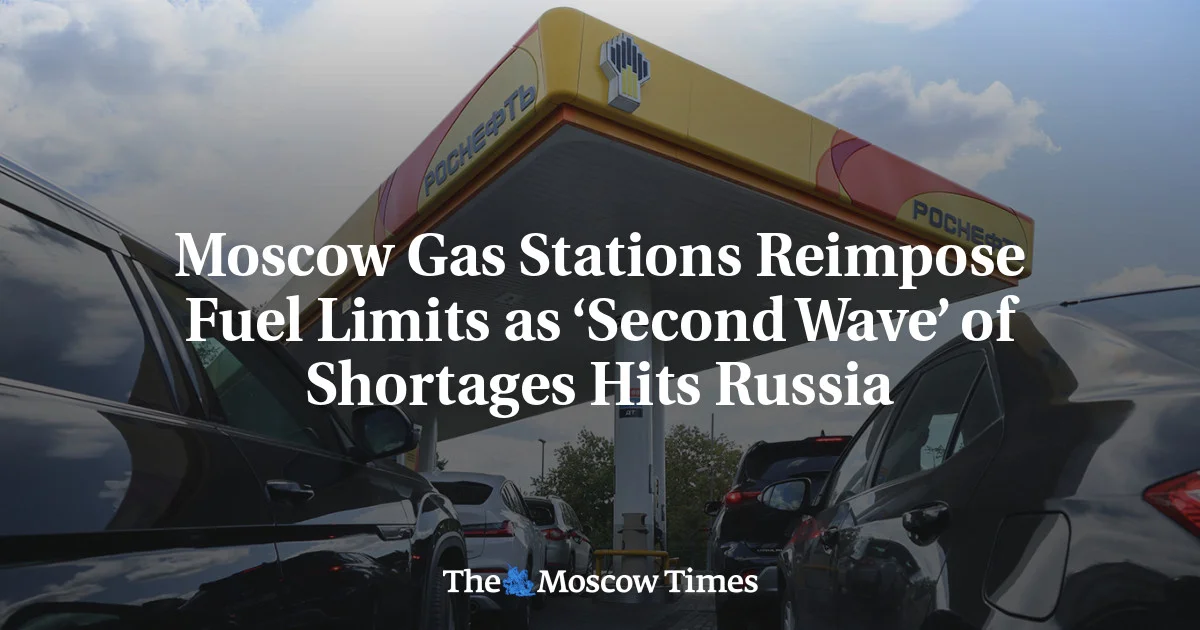
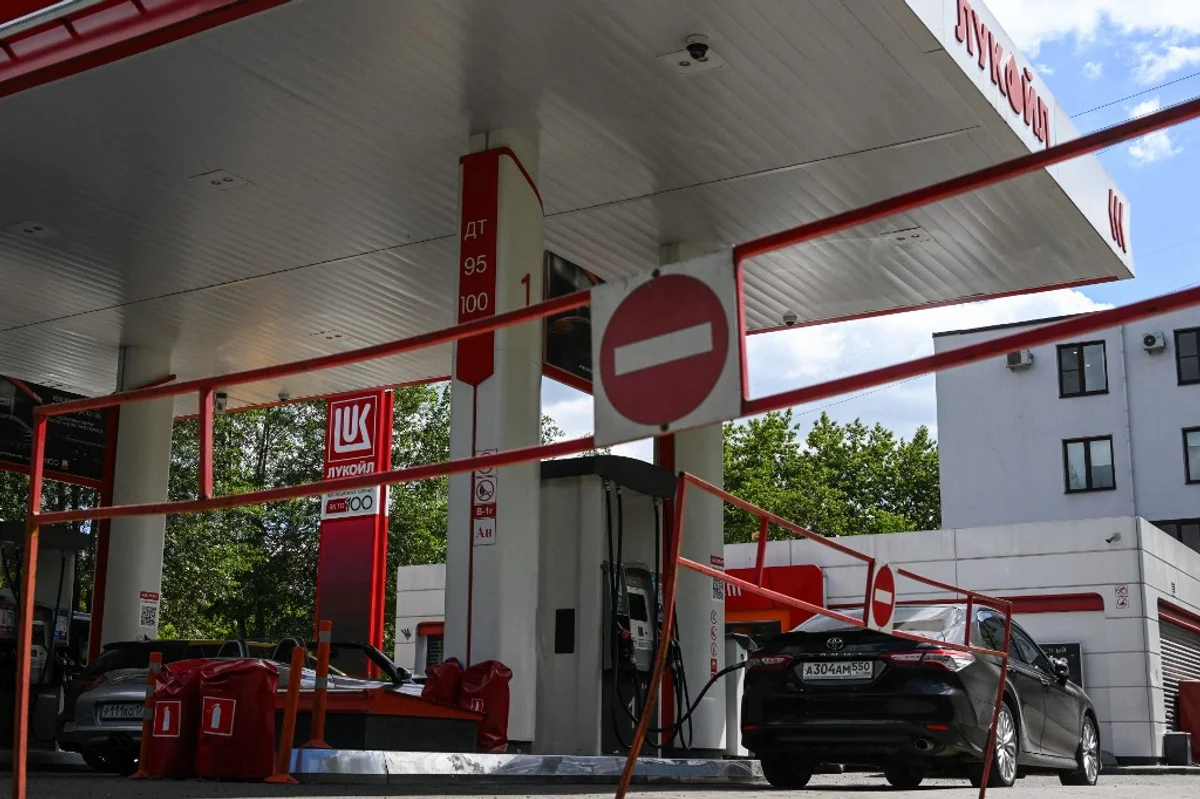
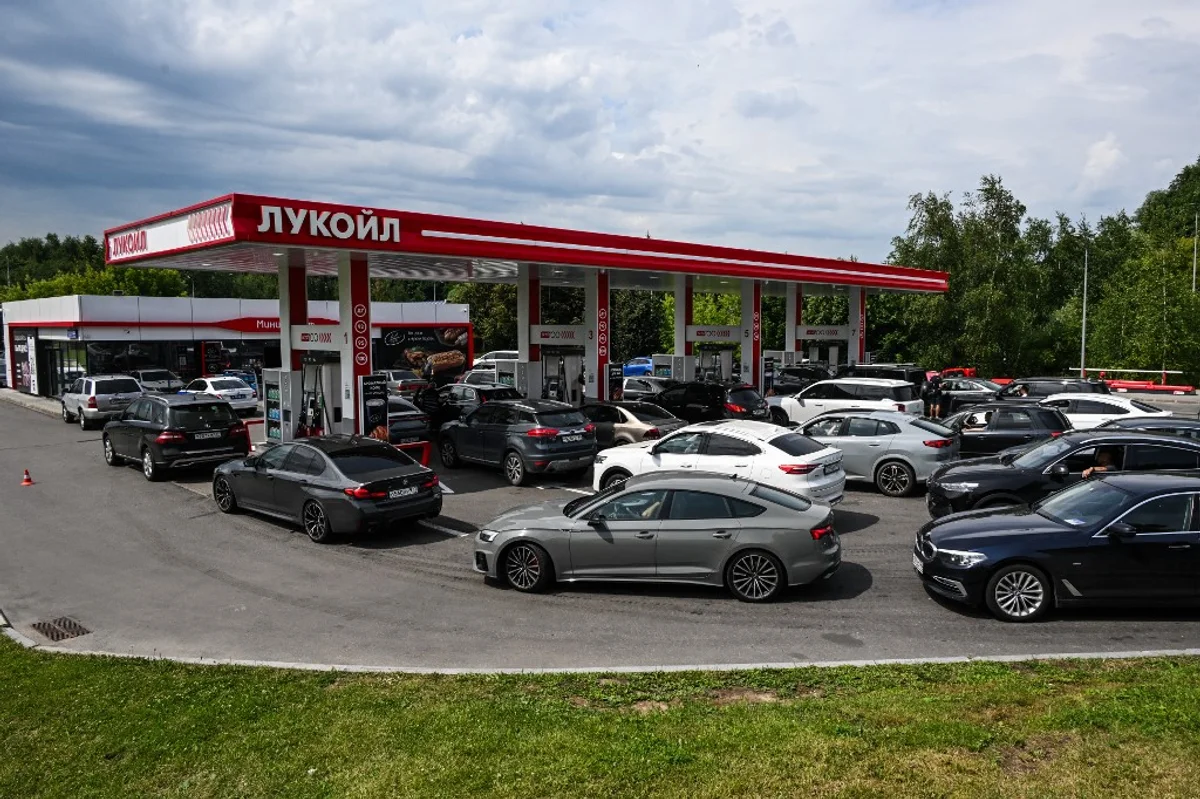
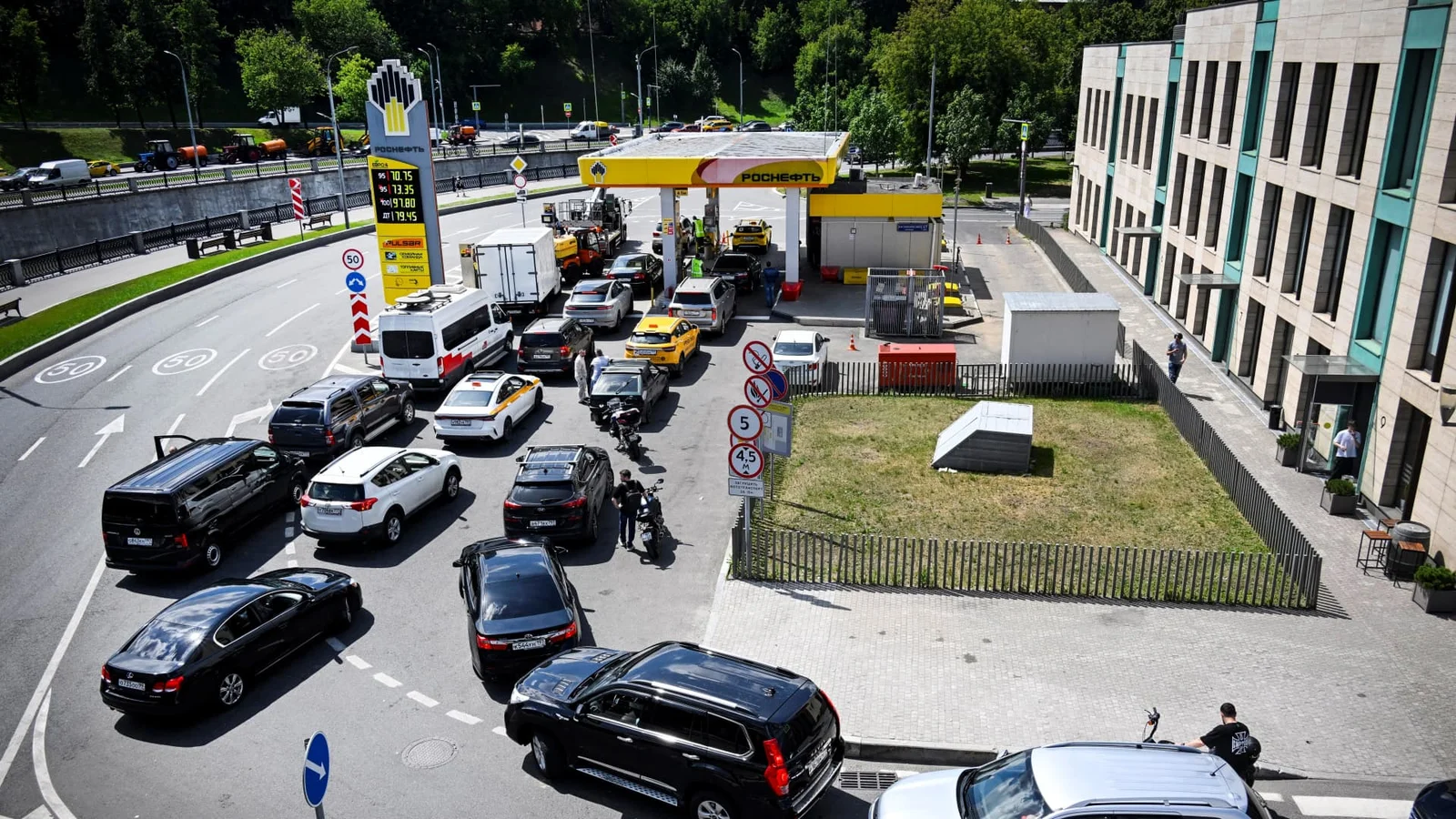
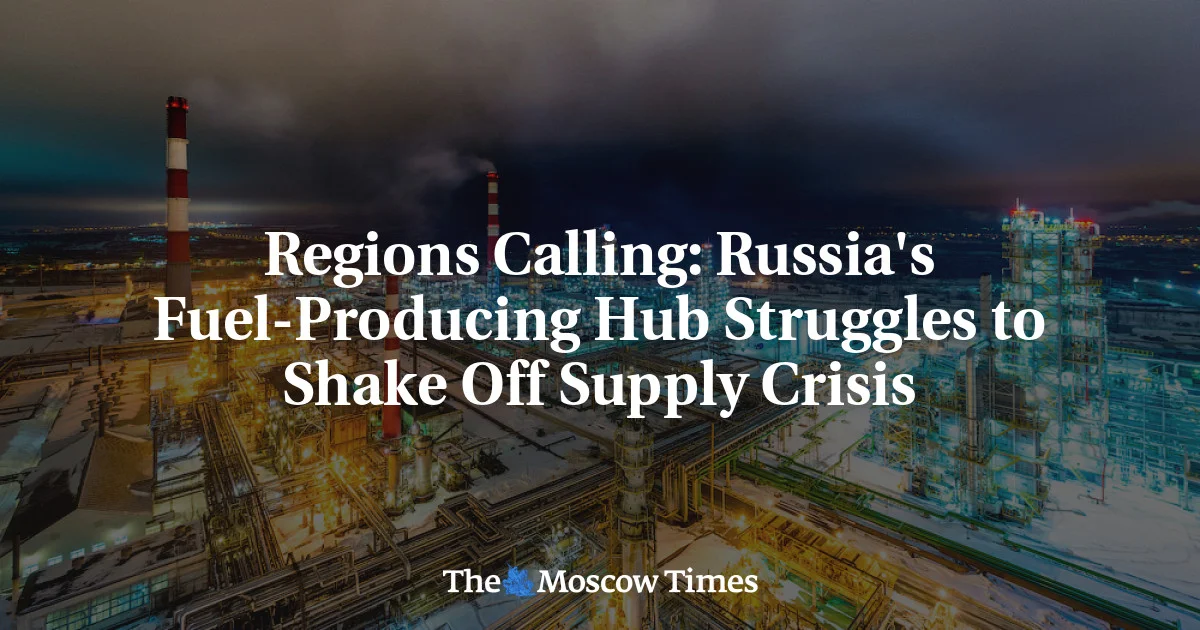
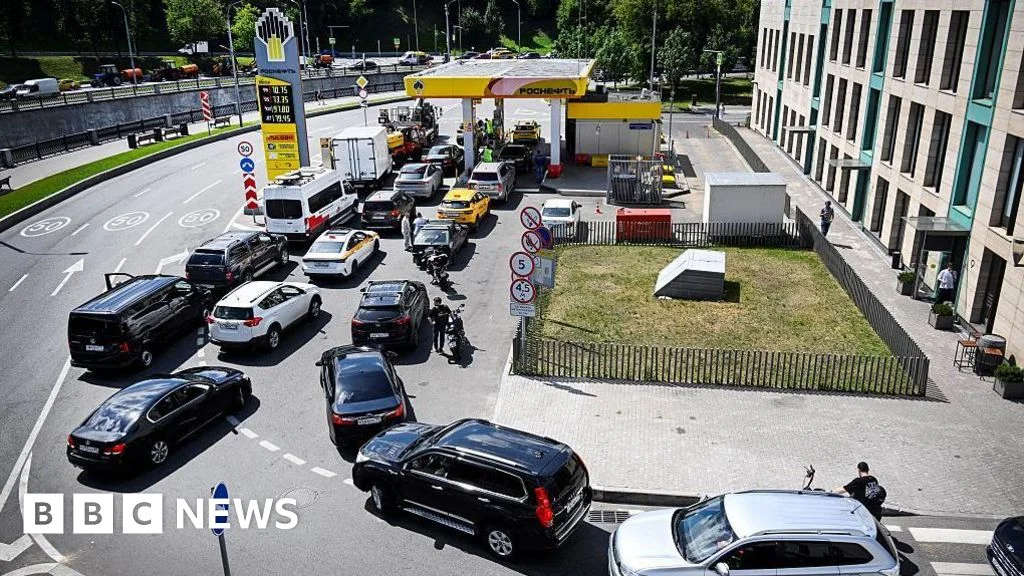
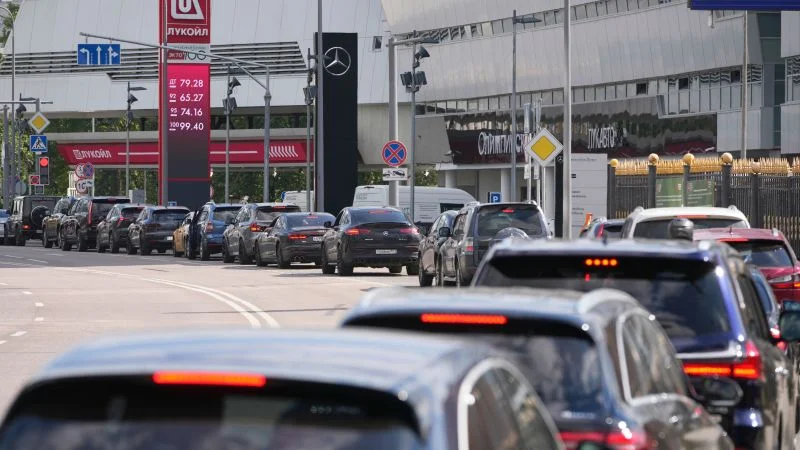
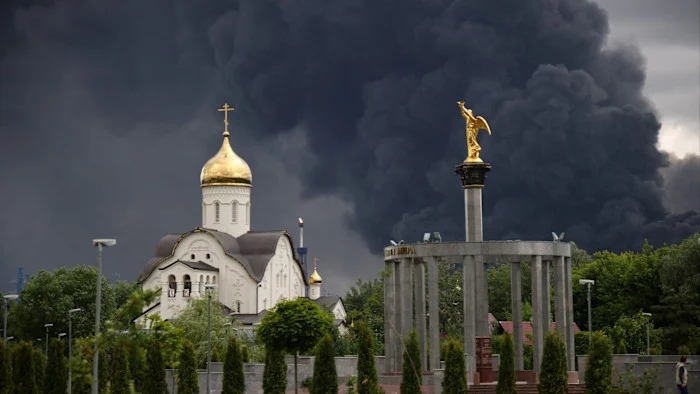
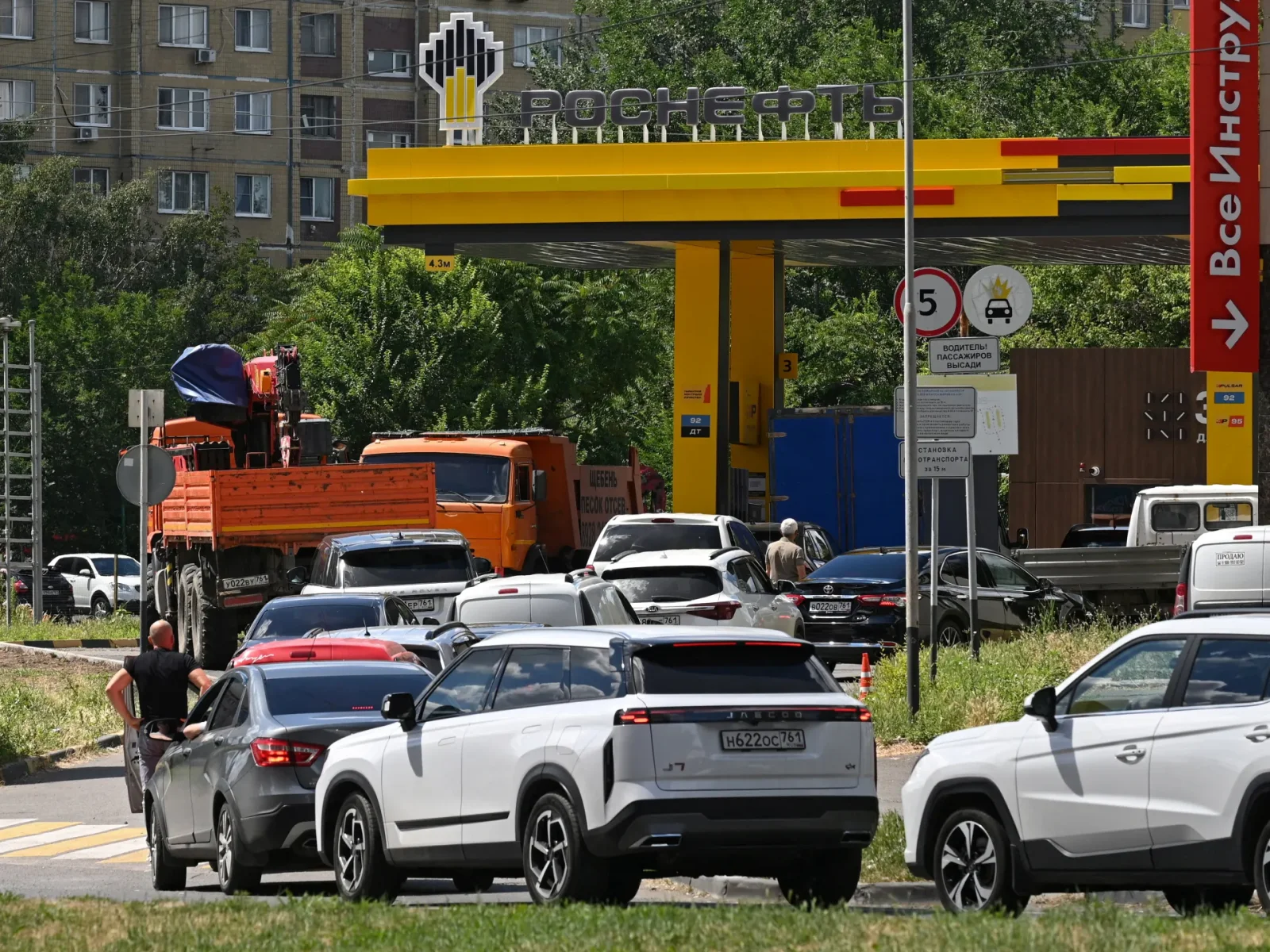
Russia is experiencing fuel shortages, especially of gasoline grades Ai 92 and Ai 95, due to Ukrainian drone attacks on refineries and export terminals, which have reduced refining capacity and exports. Private fuel stations are hit hardest because they can't stockpile fuel amid high interest rates, while oil majors remain operational. The crisis is affecting various regions and is linked to broader geopolitical tensions and economic challenges.

Gas prices in Oregon have surged by 15 cents to $4.28 per gallon due to refinery maintenance, pipeline shutdowns, and the switch to more expensive summer fuel blends, with prices expected to decrease as the Olympic Pipeline resumes operation and refineries switch to cheaper winter blends.

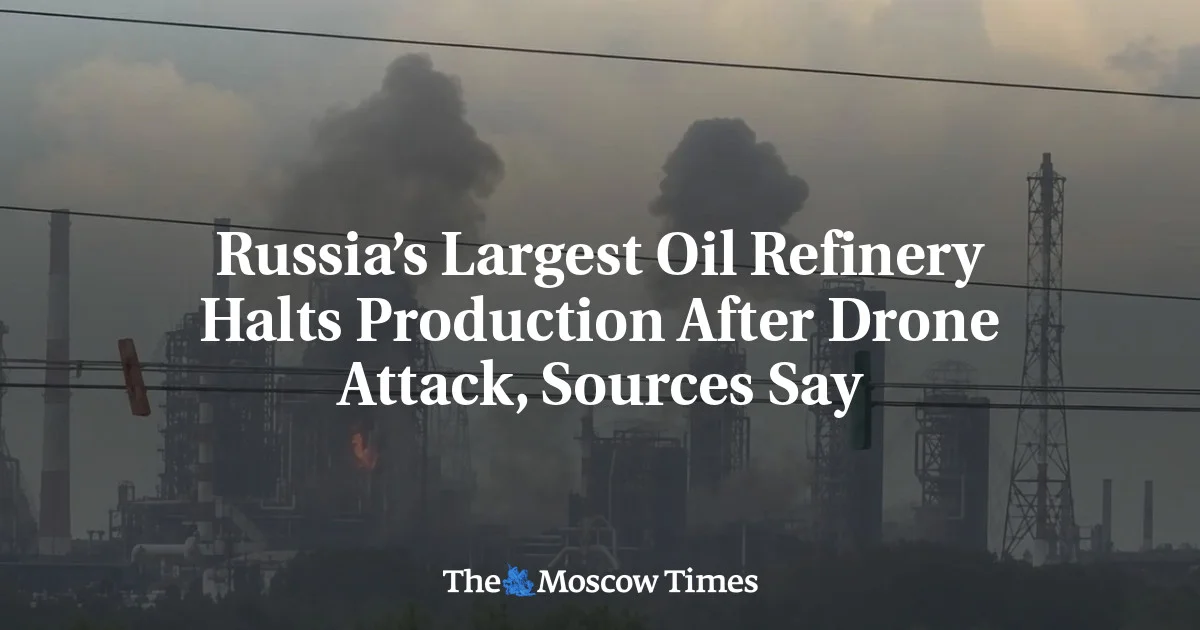
Wholesale gasoline prices in Russia have hit record highs due to Ukrainian drone strikes damaging key refineries, disrupting supply amid peak seasonal demand, with experts divided on when prices will fall and concerns over potential fuel shortages.

Six more people in Gaza have died from starvation amid ongoing aid restrictions and fuel shortages, with recent efforts to deliver fuel and food hampered by conflict and looting, as the humanitarian crisis worsens with over 175 deaths since the conflict began.

The UN reports a critical fuel shortage in Gaza threatening essential services for 2.1 million people, amid ongoing Israeli airstrikes that have killed at least 28 Palestinians, including children, and a severe humanitarian crisis with rising casualties and aid access issues. Tensions and conflicts continue across the region, with efforts for ceasefire negotiations facing obstacles.

Gaza's largest hospital, Nasser Medical Complex, faces imminent disaster due to critical fuel shortages and ongoing Israeli military operations, with medical staff working under extreme conditions amid widespread destruction and casualties, as negotiations for a ceasefire and hostage release continue amidst escalating violence.

Russia has imposed a six-month ban on gasoline exports in response to booming domestic demand and fuel shortages, exacerbated by Ukraine's strikes on Russian oil hubs and refineries. The ban, effective from May 1, aims to stabilize domestic prices and will not apply to certain countries within the Eurasian Economic Union. Russia's reliance on oil exports, which account for a significant portion of its budget revenues, has been further strained by Western sanctions and the U.S. ban on Russian oil imports.

Nigeria's Dangote oil refinery, funded by Aliko Dangote, received its first cargo of 1 million barrels of crude oil from Shell International Trading and Shipping Co (STASCO), marking a significant step towards the start of operations. Once fully operational, the refinery aims to turn Nigeria into a net exporter of fuels, reducing its reliance on imports. The cargo of 1 million barrels is the first of 6 million barrels that will enable the refinery to begin production of diesel, aviation fuel, and Liquefied Petroleum Gas, followed by Premium Motor Spirit. Nigeria's state oil firm NNPC will supply the next four cargoes, with the final cargo coming from ExxonMobil. The refinery, commissioned in May, is one of Nigeria's largest investments and aims to address the country's fuel shortages.