Tag

Nanaimoteuthis

All articles tagged with #nanaimoteuthis

Giant beaked octopuses stalked the Cretaceous seas
science1 month ago

Giant beaked octopuses stalked the Cretaceous seas

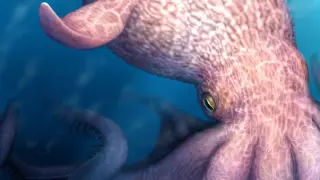
A 2026 Science study analyzed 27 Late Cretaceous fossil jaws from Japan and Vancouver Island, estimating Nanaimoteuthis haggarti could reach about 7–19 meters (roughly 100–72 million years ago). The findings suggest giant, active, finned octopuses that could hunt hard prey and occupy a top predatory tier in ancient oceans, challenging the view that vertebrates dominated ancient marine ecosystems. Exact full-body size remains uncertain since conclusions are based on jaws rather than complete skeletons.

Cretaceous Krakens: giant octopuses ruled the dinosaur-era seas
science2 months ago

Cretaceous Krakens: giant octopuses ruled the dinosaur-era seas

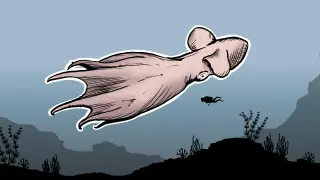
Scientists found giant octopuses up to 19 meters long were the true apex predators of the Late Cretaceous seas, with fossil jaws of Nanaimoteuthis jeletzkyi and Nanaimoteuthis haggarti showing wear that signals powerful carnivory and rivaled mosasaurs in size; the findings, published in Science, place these intelligent cephalopods among the top hunters of the dinosaur era.

Ancient Kraken-Like Giant Octopus Unearthed in 72-Million-Year-Old Fossils
science2 months ago

Ancient Kraken-Like Giant Octopus Unearthed in 72-Million-Year-Old Fossils

Researchers analyzing oversized fossil jaws from Japan and Canada describe two giant, kraken-like octopuses—Nanaimoteuthis jeletzkyi and N. haggarti—from about 72 million years ago; based on jaw size, N. haggarti may have reached 23–62 feet, potentially the largest known invertebrate, suggesting Cretaceous oceans hosted top predators among invertebrates alongside vertebrates and pointing to a more complex ancient marine ecosystem.

Ancient 60-Foot Octopuses Dominated the Cretaceous Seas
science4 months ago

Ancient 60-Foot Octopuses Dominated the Cretaceous Seas

New fossil analysis shows Nanaimoteuthis octopuses reached up to 19 meters (60 feet) in the Cretaceous and may have been apex predators, using a large body and long arms to catch prey; wear on their jaws suggests they crushed hard-shelled animals, and researchers used 3D grinding tomography and AI to reconstruct their size and ecology, expanding our view of ancient marine ecosystems.