Tag

Apex Predator

All articles tagged with #apex predator

Miocene Monster Croc Dominated South American Prey, Study Finds
science1 day ago

Miocene Monster Croc Dominated South American Prey, Study Finds

A new study in the Journal of Vertebrate Paleontology identifies Purussaurus neivensis as a Miocene South American apex predator, a giant crocodyliform about 7 meters long and ~1,800 kg that likely preyed on rhino-sized mammals such as Granastrapotherium snorki. Fossil remains from Colombia’s La Tatacoa Desert show bite marks and injuries consistent with large-head predation, suggesting crocodylians dominated big prey before the Great American Biotic Interchange, much like today’s crocodilians show bite power and reliance on large prey. The researchers also note these predators helped recycle nutrients through their feces, illustrating their ecological impact alongside other giant hunters of the era.

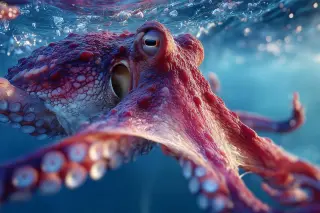
Cretaceous Krakens: giant octopuses ruled the dinosaur-era seas
science2 months ago

Cretaceous Krakens: giant octopuses ruled the dinosaur-era seas

Scientists found giant octopuses up to 19 meters long were the true apex predators of the Late Cretaceous seas, with fossil jaws of Nanaimoteuthis jeletzkyi and Nanaimoteuthis haggarti showing wear that signals powerful carnivory and rivaled mosasaurs in size; the findings, published in Science, place these intelligent cephalopods among the top hunters of the dinosaur era.

12-Meter Eocene Sea Snake Ruled Tropical Seas, Likely Preyed on Sharks
science7 months ago

12-Meter Eocene Sea Snake Ruled Tropical Seas, Likely Preyed on Sharks

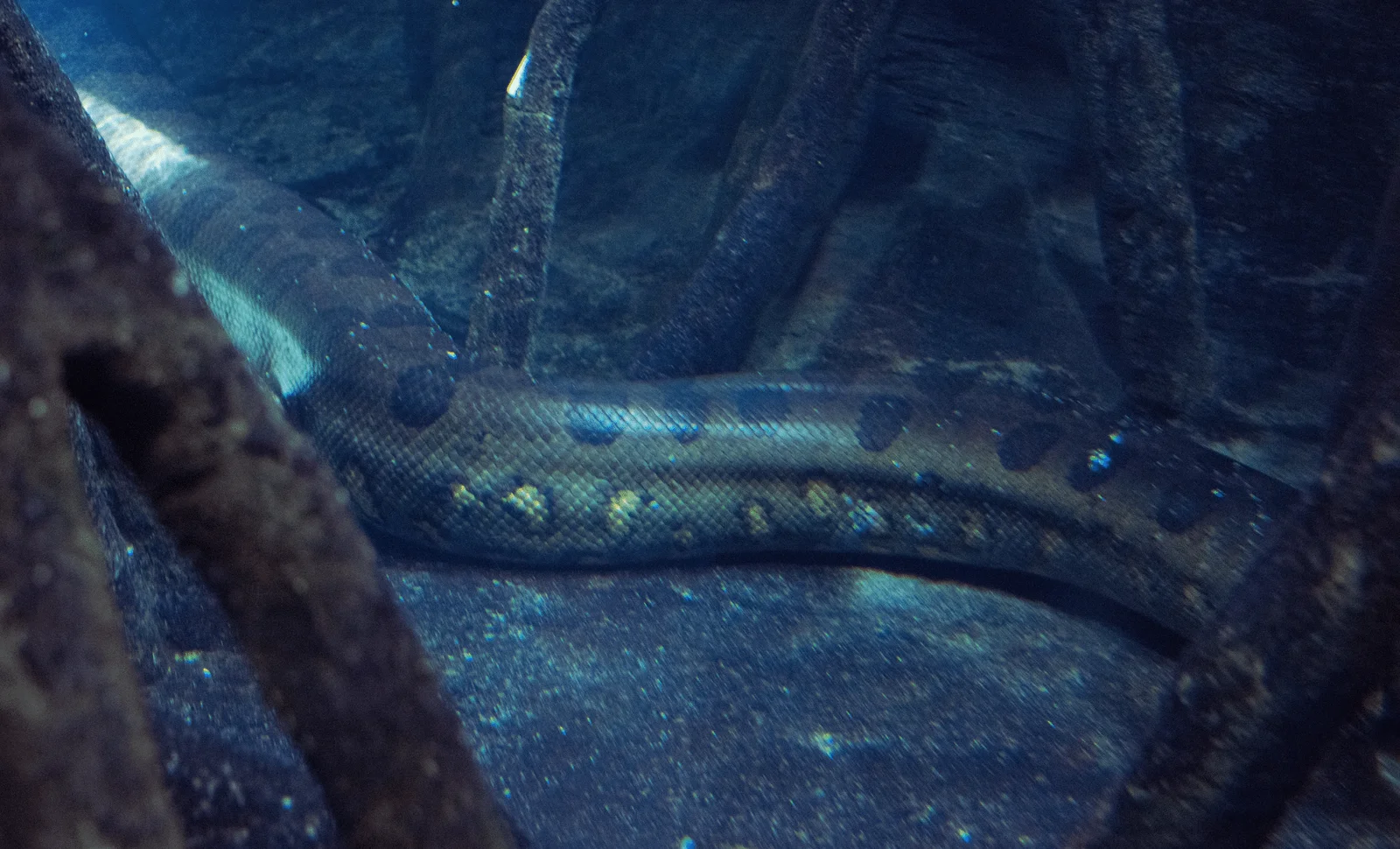
Scientists re-evaluating a 2018 study describe Palaeophis colossaeus, an 8–12 meter long sea snake from the Eocene Trans-Saharan Seaway, as a likely apex predator capable of preying on large fish and sharks. Its enormous vertebrae and a highly kinetic skull imply a powerful, highly marine-adapted hunter, shedding light on a warm, reptile-dominated ancient ecosystem beneath today’s Sahara.

"150-Million-Year-Old Sea Monster Skull Unearthed on UK's Jurassic Coast"
paleontology2 years ago

"150-Million-Year-Old Sea Monster Skull Unearthed on UK's Jurassic Coast"

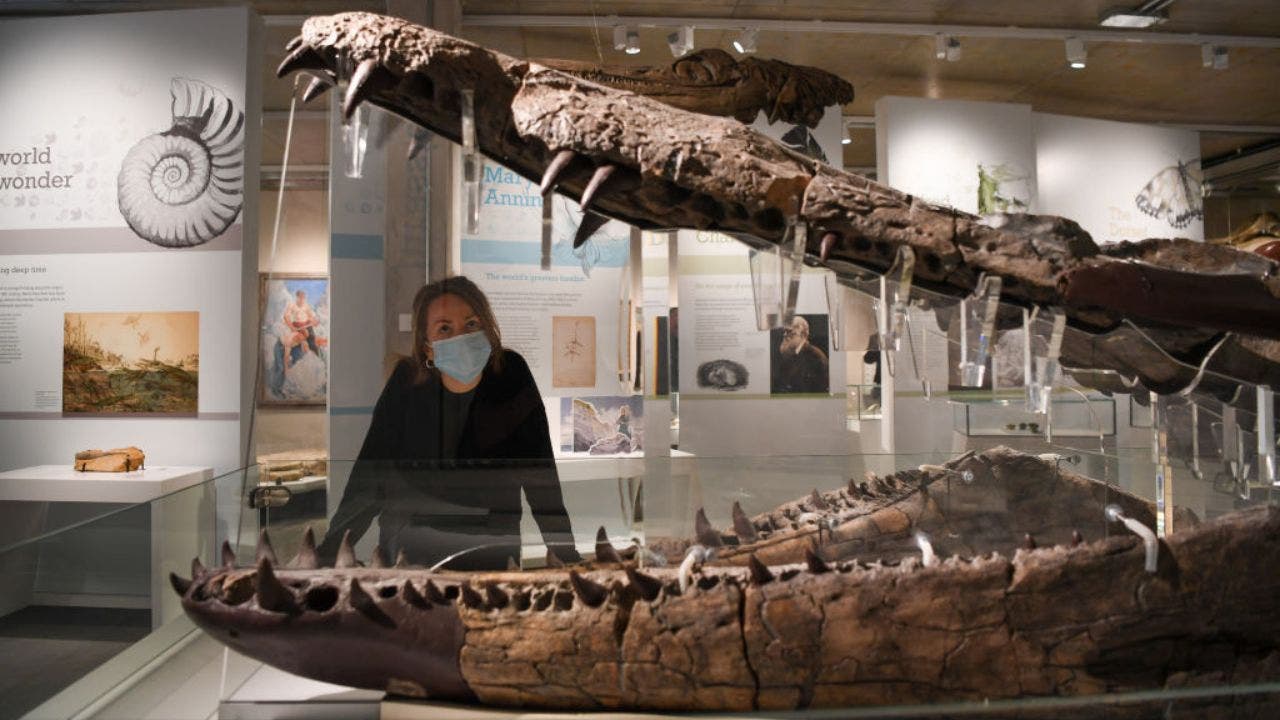
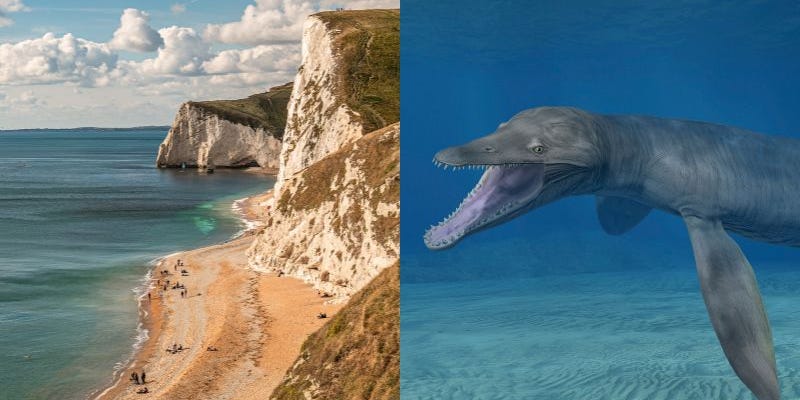
The nearly complete skull of a pliosaur, a massive predatory sea monster that lived 150 million years ago, has been excavated from a cliff on the UK's Jurassic Coast. Measuring six feet and five inches long, the pliosaur skull is one of the most intact specimens of its kind ever found. Pliosaurs were apex predators with powerful jaws and razor-sharp teeth, capable of preying on anything unfortunate enough to cross their path. The skull is currently being prepared for display at The Etches Collection Museum of Jurassic Marine Life, and its discovery is considered a once-in-a-lifetime opportunity due to the rapid erosion of the cliff.

"Unearthing the Ultimate Killing Machine: David Attenborough's Risky Mission to Discover the Gigantic Pliosaur Skull on UK's Jurassic Coast"
paleontology2 years ago

"Unearthing the Ultimate Killing Machine: David Attenborough's Risky Mission to Discover the Gigantic Pliosaur Skull on UK's Jurassic Coast"

The skull of a massive pliosaur, an ancient marine reptile, has been discovered on the UK's Jurassic Coast. Measuring 2 meters long, the fossil is one of the most complete specimens of its kind ever found. The pliosaur was an apex predator with long, razor-sharp teeth capable of delivering deadly bites. The skull, which still has dozens of teeth intact, offers valuable insights into the behavior and physiology of this ferocious predator. Paleontologists believe that more parts of the creature may be found in the cliffs of Dorset, and efforts are being made to extract them before they are lost to erosion.

"Unearthing the Ultimate Killing Machine: Enormous Sea Monster Skull Found on UK's Jurassic Coast"
paleontology2 years ago

"Unearthing the Ultimate Killing Machine: Enormous Sea Monster Skull Found on UK's Jurassic Coast"

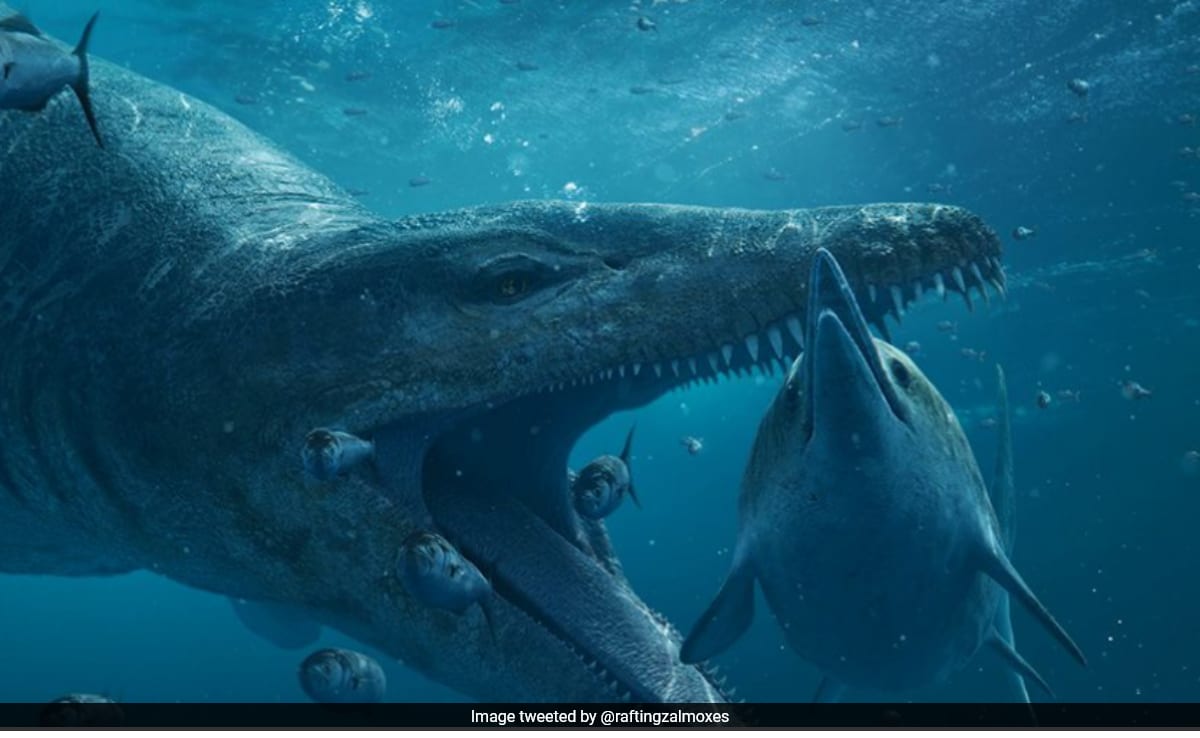
The seven-foot skull of a pliosaur, an ancient apex predator that roamed the oceans 150 million years ago, has been discovered on the Jurassic Coast in Dorset, UK. With 130 razor-sharp teeth, this "ultimate killing machine" could instantly kill its prey, including dolphin-like creatures and other pliosaurs. The fossil is considered unique and intact, and will be featured in a David Attenborough program on BBC One.

Ancient reptile had weaker bite than modern crocodiles, study reveals
paleontology3 years ago

Ancient reptile had weaker bite than modern crocodiles, study reveals

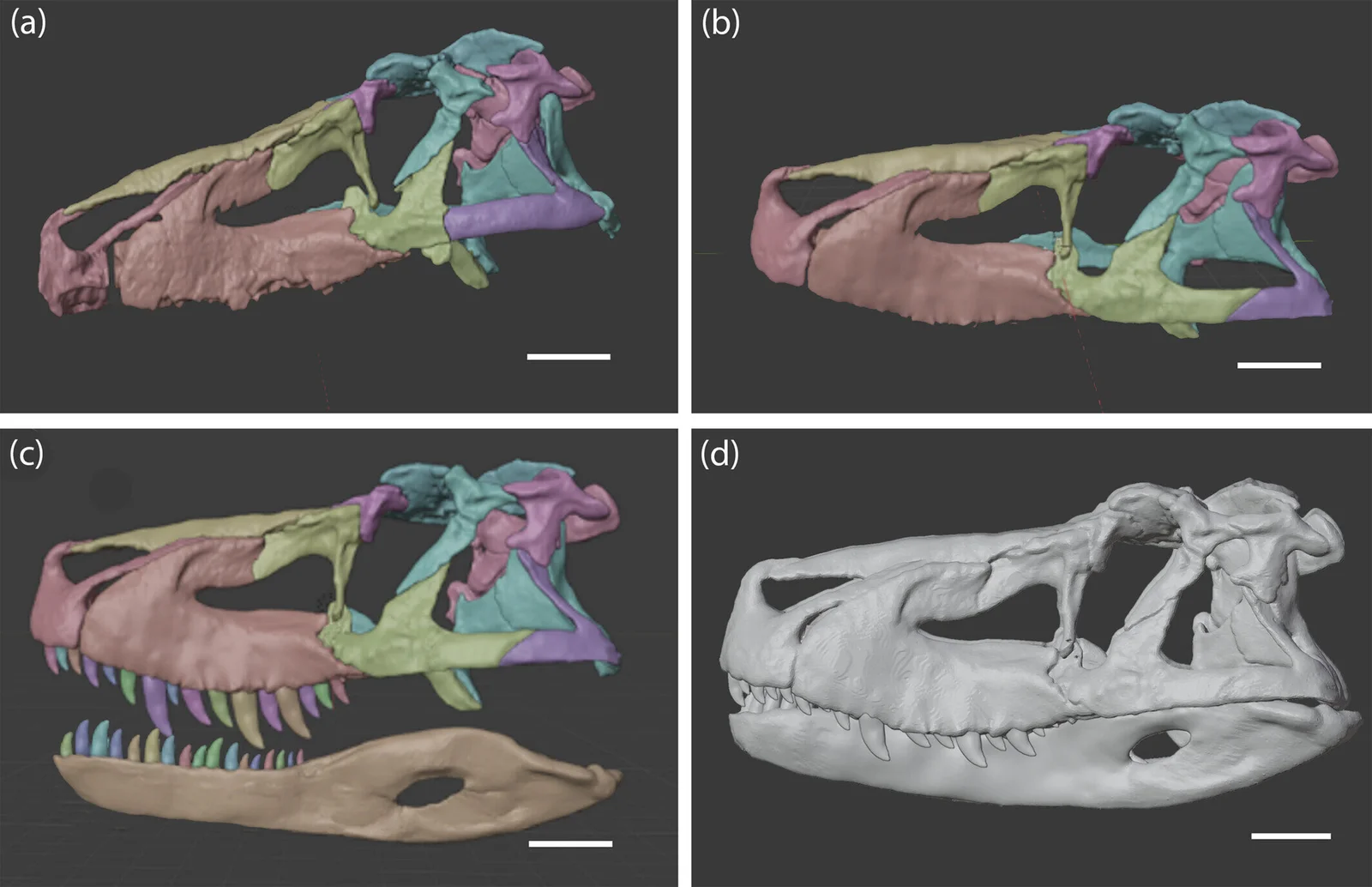
A new study reveals that Saurosuchus, a massive reptile that lived 230 million years ago and is a distant relative of modern crocodiles, had a weaker bite than previously thought. Despite its size and diet, Saurosuchus had a bite force similar to modern crocodiles called gharials, making it unable to crunch through bones. The study suggests that Saurosuchus was a careful eater, using its back teeth to remove flesh from its kills. This finding sheds light on the feeding behavior and evolutionary adaptations of apex predators in the Late Triassic period.

Fishermen Encounter Great White Shark While Catching Fish
wildlife3 years ago

Fishermen Encounter Great White Shark While Catching Fish

A father and daughter fishing off the coast of Point Pleasant Beach in New Jersey had a close encounter with a juvenile or immature great white shark that tried to steal their catch. While sightings of great white sharks are on the rise, they are still rare in the wild. White shark populations have rebounded due to federal protections placed on the species and seals, their main prey, which has made their food source more available. This is the time of year when increased activity is seen in the mid-Atlantic area as they migrate north.

Meet Deep Blue, the World's Largest Great White Shark.
nature3 years ago

Meet Deep Blue, the World's Largest Great White Shark.

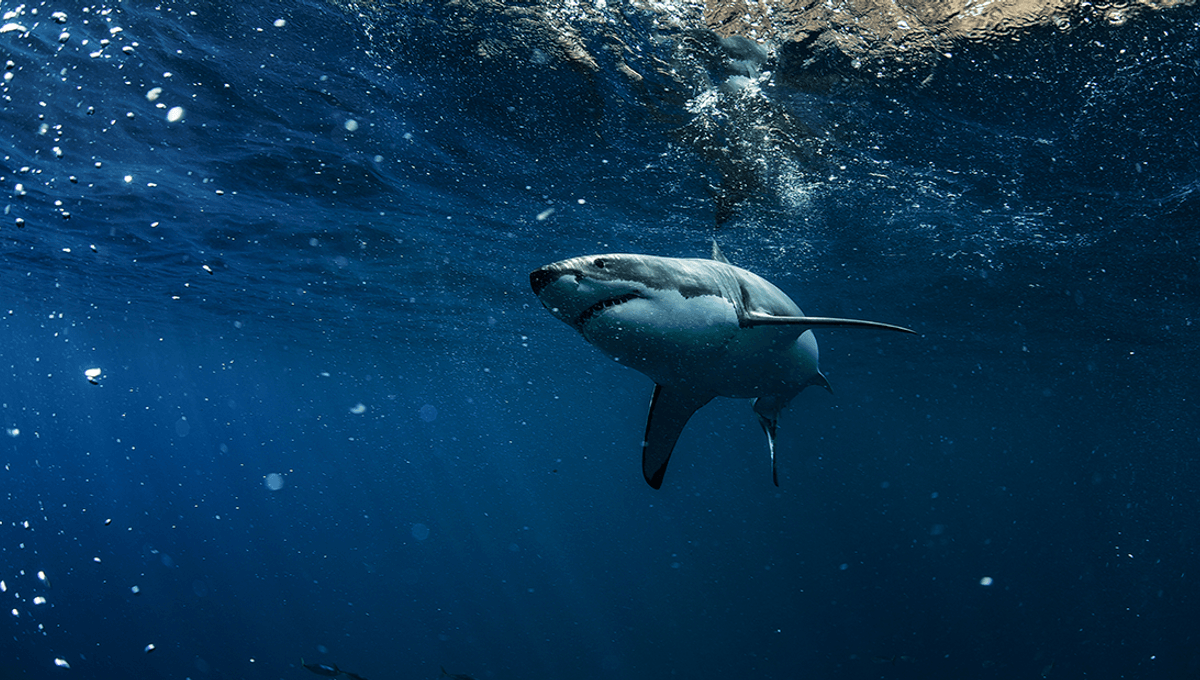
Deep Blue, the world's biggest recorded great white shark, measures over 6 meters long and may already be over 50 years old. She has several tell-tale marks across her body that help scientists recognize her and is believed to return to the same island area to breed around every two years. While recent reports of her have been few and far between, there is no reason to suspect anything dire and there's every chance she is still alive and well in the ocean.