A 2024 study in Nature Metabolism reveals that seven days of water-only fasting causes coordinated biological changes across multiple organs, with significant molecular shifts emerging only after approximately three days of calorie restriction.
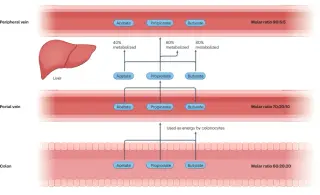
A new review in Nature Metabolism highlights how gut bacteria produce short-chain fatty acids (SCFAs) from dietary fiber, acting as key signals for metabolism and immune function. The authors argue that boosting SCFA production through diet could help prevent metabolic diseases, especially as global fiber intake remains low.
A UF Health AI-assisted study published in Nature Metabolism analyzed records from 2012–2024 (over 50,000 patients with dementia or MCI). It found that about 8% used glucosamine and, among those with MCI, users were 25% more likely to progress to dementia, while among patients with dementia, use was linked to a 25% higher risk of death. The authors caution this is associative, not causal, and call for controlled trials. Glucosamine can cross the blood–brain barrier and may influence protein sugar-tagging in Alzheimer’s brains. If you have dementia or MCI and take glucosamine, discuss alternatives with a clinician; healthy adults face no immediate alarm.
New research links glucosamine, a common osteoarthritis supplement, to faster dementia progression. In mice, glucosamine increased brain glycan production and worsened memory; in humans, ADRD patients who used glucosamine had about a 25% higher mortality risk over about 5 years, while those with milder cognitive impairment showed no mortality increase. Researchers caution that findings are not proof of causation and call for more studies before changing supplement guidance.