A study using NHANES data shows probiotic supplement use rose dramatically from 2009 to 2023, while dietary fiber intake stayed largely unchanged, signaling a shift toward supplements without corresponding fiber-rich diet changes; experts say probiotics can help in some cases but cannot replace the diverse benefits of fiber-rich foods and a plant-forward eating pattern for gut health.
A 20-year analysis of NHANES data (about 7,000 people) shows blood bicarbonate rising about 7% as atmospheric CO2 climbs from ~369 ppm to over 420 ppm, with calcium and phosphorus dipping, suggesting the body may be adapting to higher CO2; the study notes correlation, not causation, but warns of potential population-level health implications and recommends monitoring CO2 alongside biomarkers as climate policy considerations evolve.
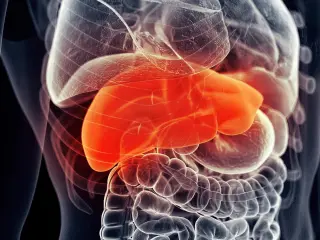
A national NHANES analysis links tetrachloroethylene (PCE), the dry-cleaning solvent, to a higher risk of significant liver fibrosis. Among 1,614 U.S. adults (2017–2020), about 7.4% had detectable PCE in blood; those with detectable exposure had over three times the odds of meaningful liver scarring, and each 1 ng/mL rise in PCE increased fibrosis odds by more than fivefold, with roughly a 28% absolute risk increase. The association persisted after adjusting for age, sex, race, education, and common liver risk factors like alcohol use and obesity. PCE exposure can occur via indoor air, groundwater, dry-cleaning and industrial use, and while the EPA is phasing it out over a decade, it remains in some settings. The findings underscore environmental toxins as potential contributors to liver disease and suggest a need for broader screening and further research.
A US study using NHANES 2017–2018 (n=5,068) found that higher intakes of dietary fiber, folate, magnesium, and selenium were associated with lower odds of depressive symptoms (PHQ-9 ≥10). Folate showed the strongest inverse link, with the highest intake tied to about 45% lower depression risk; fiber also showed robust associations, while magnesium and selenium were less robust after broader adjustments. The results are cross-sectional and modest in size (OR roughly 0.72–0.81 per 1-SD increase; Cohen’s d ~0.16–0.25), so they do not prove causality or support supplements. The authors advocate focusing on diverse, whole-food dietary patterns rather than pills, note average fiber intake was only about 16.6 g/day (below 25–38 g/day), and stress the need for longitudinal studies to confirm temporality and explore subgroup differences.
New analyses of NHANES and the American Gut Project suggest adults who eat a substantial portion of daily calories after 9 p.m. and report high chronic stress are more likely to have constipation or diarrhea and show a less diverse gut microbiome; the study is not peer‑reviewed and shows correlation, not causation, but researchers say late‑night eating may worsen existing GI issues and recommend steadier meal patterns.
A study analyzing NHANES data found that women with higher consumption of ultra-processed foods had about 60% lower odds of conceiving within a year, while those who ate more whole foods had better odds. The foods may expose the body to chemicals like phthalates, BPA and acrylamides that can disrupt hormones, though the study is observational and does not prove causation. Reducing UPFs and increasing whole foods could potentially improve fertility chances.
A peer-reviewed Environmental Working Group study using USDA residue data and CDC NHANES biomonitoring finds that consuming more high-residue fruits and vegetables correlates with higher pesticide biomarkers in urine, indicating diet is a major driver of exposure and highlighting gaps in monitoring and potential regulatory implications for protecting vulnerable groups.
A NHANES-based study (1999–2020) finds rising atmospheric CO2 correlates with higher blood bicarbonate and opposite trends in calcium and phosphorus; although changes are small now, models suggest ongoing CO2 increases could push some blood chemistry values toward the limits of healthy ranges in the future, with bicarbonate potentially serving as a biomarker for CO2 exposure.
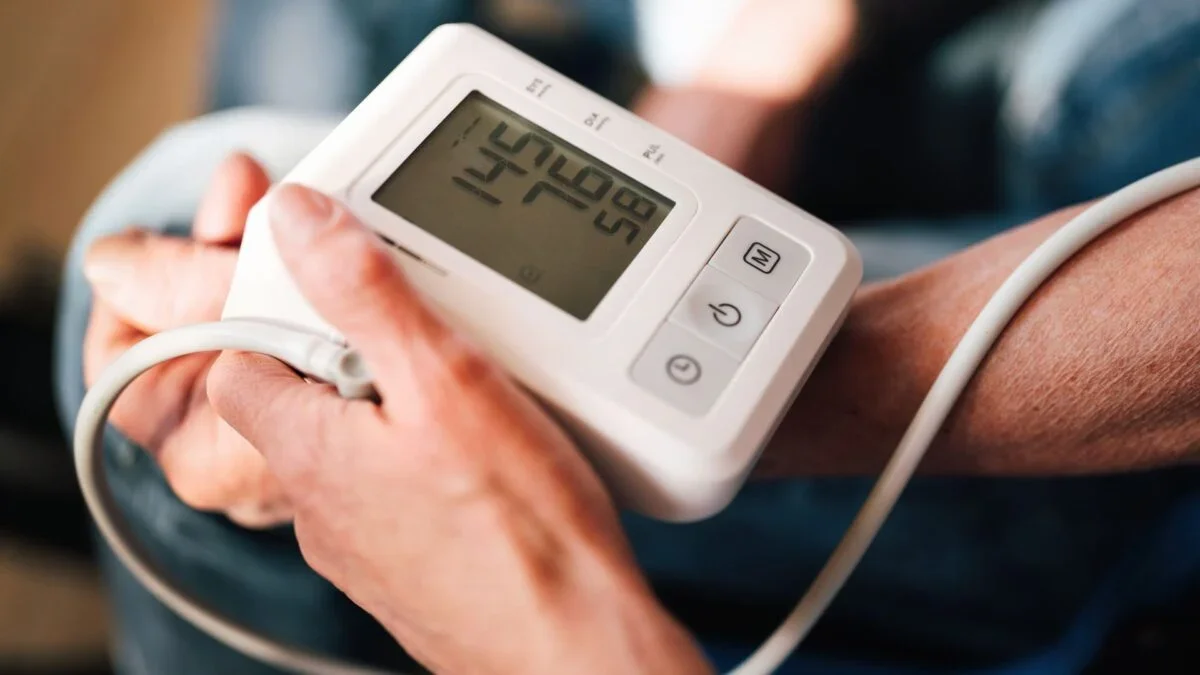
New NHANES data from 2021–2023 show 47% of Americans over 20 have hypertension, with 79% of those cases uncontrolled; among the uncontrolled, about 61% aren’t taking blood-pressure medications. Experts say many could reach the 130/80 target with medication and lifestyle changes, but awareness gaps and access issues hinder treatment, contributing to 664,470 deaths in 2023. The findings underscore the need for broader screening and better treatment uptake to improve cardiovascular health.
The CDC's National Center for Health Statistics has laid off key staff responsible for the vital NHANES survey, threatening the nation's ability to monitor and respond to public health issues due to loss of expertise and potential politicization of data.
A study analyzing data from NHANES found that higher dietary copper intake is associated with better cognitive test scores in older adults, especially at moderate intake levels and among those with a history of stroke, suggesting copper's potential role in supporting brain health.
A large-scale study found that lower diversity of bacteria in the mouth is associated with higher depression symptoms, suggesting the oral microbiome may play a role in mental health, with potential implications for future diagnostics and treatments.
A study analyzing data from the National Health and Nutrition Examination Survey (NHANES) reveals that poverty combined with chronic inflammation leads to significantly worse health outcomes than either factor alone, with a 127% increased heart disease mortality risk and a 196% increased cancer mortality risk for those affected by both factors. The research suggests a need for healthcare professionals to screen socially disadvantaged individuals for chronic inflammation and consider appropriate treatments, emphasizing the synergistic relationship between poverty and inflammation in exacerbating health risks and reducing life expectancy in the U.S.