A Cambridge-led study of more than 10,000 adolescents found that reading for pleasure in childhood is linked to higher cognitive performance, lower stress, and fewer depressive symptoms in adulthood; a review of 43 studies backs these links, with benefits strongest when reading is freely chosen and engaging rather than assigned.
In a sleep-deprived study, 54 young adults either took a 90‑minute nap, did a 20‑minute moderate-to-vigorous cycling session, or remained on a stationary bike without pedaling after 30 hours awake. Both the nap and the brief exercise improved image-recognition performance three days later compared with the control (about 23% and 21% better, respectively), with EEG showing different brain routes: the nap reduced fatigue markers while exercise enhanced real-time processing. The study suggests that short rest or a quick workout can support memory when sleep is limited, but they’re not substitutes for a full night’s sleep."
New research suggests higher-creatine doses—not just the standard 5 g/day—may boost brain energy and cognitive performance when sleep is limited or stress is high; most evidence supports 10–25 g per day (split into doses) or a 20–25 g acute dose after poor sleep, with effects strongest in energy-stressed brains and modest in rested individuals; long-term high-dose use is generally not advised (4–8 weeks), and safety is good overall though those with kidney issues should consult a doctor.
A six-month randomized trial with 251 adults who had central obesity found no significant cognitive improvements from eating one avocado daily compared to a control group. Memory, processing speed, and executive function showed no meaningful gains, with any minor improvements likely due to practice effects rather than the avocado. Age did not alter the outcome, suggesting that a single nutrient-dense food is not a quick fix for brain health and that effects may depend on weight status or require broader dietary changes.
An analysis of 63 studies (3,484 participants) found no meaningful difference in cognitive performance between short-term fasters and those who eat regularly, with median fasting around 12 hours. Some modest declines appear when fasting exceeds 12 hours and in children/teens, especially on food-related tasks; neutral tasks are largely unaffected and performance may dip later in the day during fasting. The authors frame fasting as a personal tool, not a universal prescription, recommending medical guidance for individuals considering fasting.
A 12-week study from University of Toronto Scarborough shows daily fluctuations in mental sharpness predict how much people accomplish: on days when thinking is clearer, individuals complete more goals and push for higher targets, yielding about 30–40 extra minutes of productive work, with the best vs. worst days totaling around 80 minutes. Sharpness is influenced by sleep, mood, and workload, and overdoing work can reduce sharpness over time. Practical takeaways include getting enough sleep, avoiding long burnout periods, and managing depressive traps to maximize daily productivity.
Paraxanthine, the body’s primary byproduct when caffeine is metabolized, is being added directly to some coffees and energy drinks as a potential caffeine substitute. Brands promise steadier, “clean” energy with fewer jitters, but evidence is limited to small studies and long‑term human data are scarce. Regulators in Europe are evaluating paraxanthine as a novel food, and many products deliver about 200–300 mg per serving, raising questions about total daily stimulant intake. While early research hints paraxanthine could match or even exceed caffeine for certain cognitive benefits, it is not yet proven to be safer or more effective, so cautious use—lower doses, avoiding late-day consumption, and protecting sleep—is advised until more data emerge. Trials underway should help translate lab findings into everyday use.
A sweeping meta-analysis of 63 studies (3,484 participants) finds no meaningful difference in cognitive performance between fasted and fed healthy adults. Age matters (children fare worse when fasting); longer fasts may lessen performance gaps as ketones supply energy; testing later in the day and the presence of food cues can influence results; and the type of cognitive task matters. Overall, fasting appears compatible with maintained mental sharpness in adults, with caveats for kids and certain contexts, while metabolic benefits like autophagy and improved insulin sensitivity are noted but vary by individual.
The BBC explores whether “sleep banking”—extending sleep in advance of anticipated deprivation—really helps alertness and performance. Early military studies suggested benefits, and some doctors and athletes have reported improved performance after extra sleep. Yet researchers remain divided: some argue sleep can’t be stored like a bank and that improvements may reflect avoiding debt rather than storing surplus. Most agree seven to nine hours of nightly sleep is optimal, and while 30–60 extra minutes or short naps before a busy period can help, sleep banking isn’t a long-term solution and shouldn’t replace regular sleep.
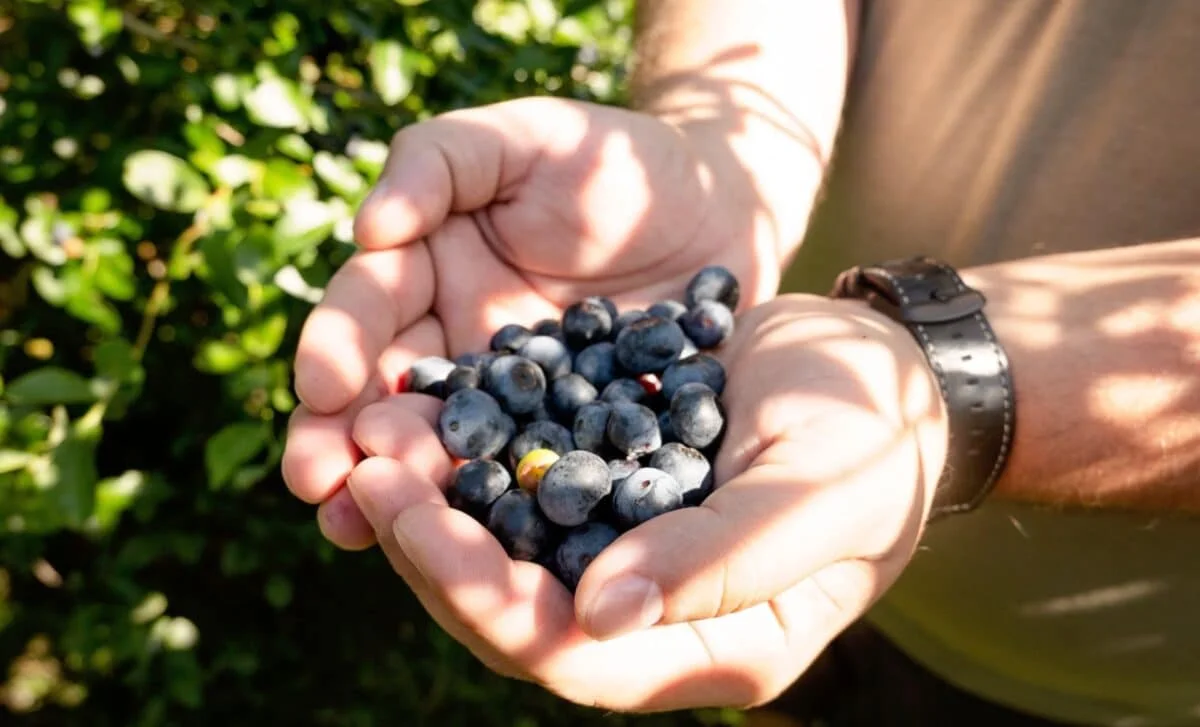
A review of 12 clinical trials over 24 years finds wild blueberries rapidly improve vascular function, with potential downstream benefits for blood pressure, cholesterol, blood sugar, and gut microbiome, plus measurable cognitive gains in older adults. Effects are linked to polyphenols like anthocyanins influencing nitric oxide signaling and inflammation, but larger studies are needed to define optimal doses and long-term outcomes.
Studies suggest that reliance on A.I. tools and social media may lead to lower cognitive performance, with experiments showing that people using A.I.-generated summaries tend to produce less nuanced and more generic advice compared to traditional search methods, raising concerns about the impact of these technologies on mental acuity.
A comprehensive review of 71 studies found that fasting does not impair cognitive performance in healthy adults, though it may affect children, adolescents, and specific situations like late-day testing or food-related tasks. The research suggests fasting can be a safe health practice for most adults without sacrificing mental sharpness, but caution is advised for certain groups.
A comprehensive review of 71 studies found that fasting does not impair cognitive performance in healthy adults, though children, adolescents, and certain situations may be exceptions. The research suggests fasting can be safely practiced without sacrificing mental sharpness, especially in adults, and highlights factors like age, fasting duration, and task type that influence its effects.
New research from MIT shows that theta-frequency brain waves act like radar scans across the cortex, influencing visual working memory and attention by affecting reaction times and accuracy depending on their phase, with potential implications for improving cognitive function in neurological disorders.
A study identified five distinct sleep profiles linked to different patterns of mood, health, and brain activity, emphasizing the need for personalized approaches to improving sleep based on individual patterns and challenges.