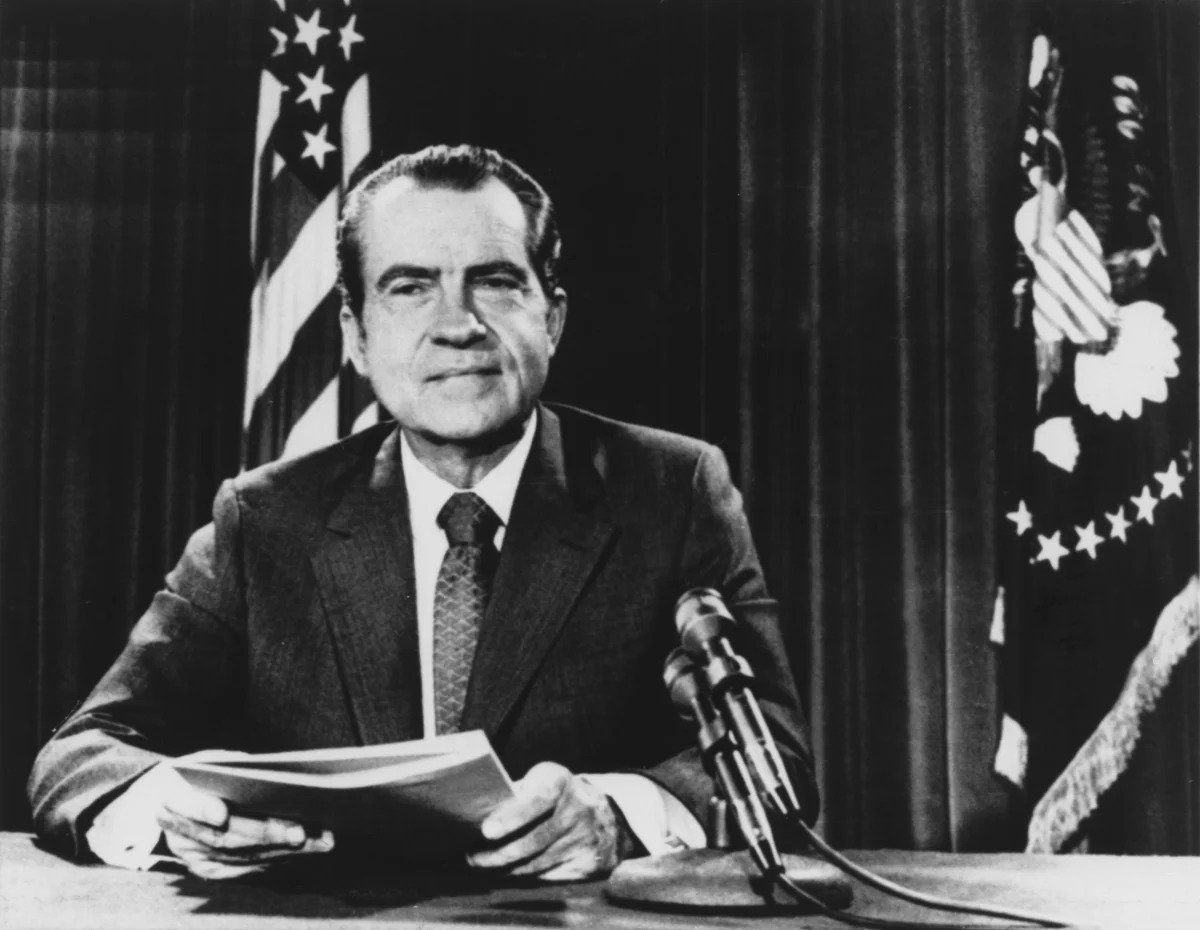
President Nixon proposed a year-round daylight saving time to conserve energy, but the 1970s experiment sparked widespread issues—especially darker mornings for students and safety concerns—leading to public backlash and a cautionary tale as Congress weighs reviving permanent DST.
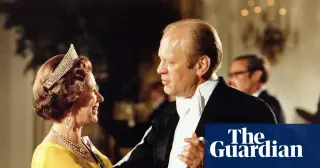
The piece revisits 1976, when Ford declared that the ‘long national nightmare’ was over as the US celebrated its 200th anniversary, a moment framed by bipartisan renewal after Watergate. It contrasts that mood with today’s climate under Trump, described as circus-like and threatening to democratic norms, and explores how Nixon’s attempts to control the bicentennial echo current debates over national narrative and power. The article notes the participatory, local-grounded celebrations of 1976 versus today’s centralized, top-down commemorations, suggesting that while past anniversaries have mirrored upheaval, the present era faces unique challenges to democratic institutions and civil discourse.
Edward Luce argues that America’s semiquincentennial celebrations have been hijacked by Donald Trump, transforming a milestone into a partisan spectacle; he contrasts today’s moment with Ford’s more principled 1976 celebration and warns that the current alignment between Trump, the Supreme Court and big donors threatens the system’s checks and balances as Americans debate what they stand for.
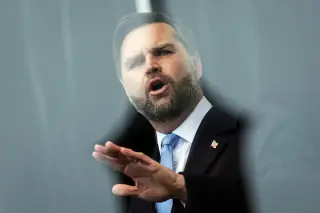
Vice President JD Vance advocates a revisionist view of Watergate, casting Nixon as a victim and tying the scandal to today’s deep-state and MAGA narratives; critics say the stance normalizes corruption and undermines accountability, highlighting calls for post-Trump reforms.
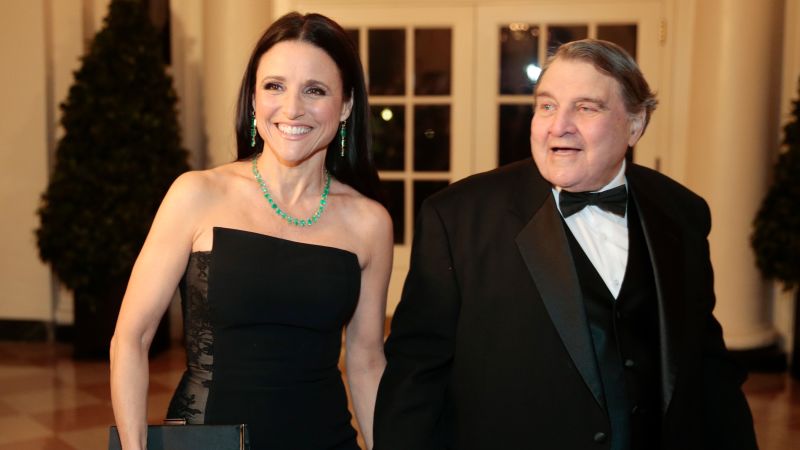
Julia Louis-Dreyfus shared that her father, civil rights activist Gérard Louis-Dreyfus, was proud to be on Nixon's enemies list, reflecting his commitment to democracy and activism, which she attributes to her family background.
The article ranks US presidents by their approval ratings at the end of their terms, highlighting Nixon's lowest at 24% and Clinton's highest, with Trump having the second-highest disapproval rating among recent presidents at 62% at the end of his term.
In 1971, President Nixon imposed a 10% import surcharge as a negotiating tactic, which was gone by the end of the year. Trump's proposal for a 10% tariff echoes Nixon's move, but with a focus on China and more aggressive measures. While Nixon's surcharge served as a negotiating tool, Trump's approach may lead to long-term economic consequences and has sparked protectionist debates.
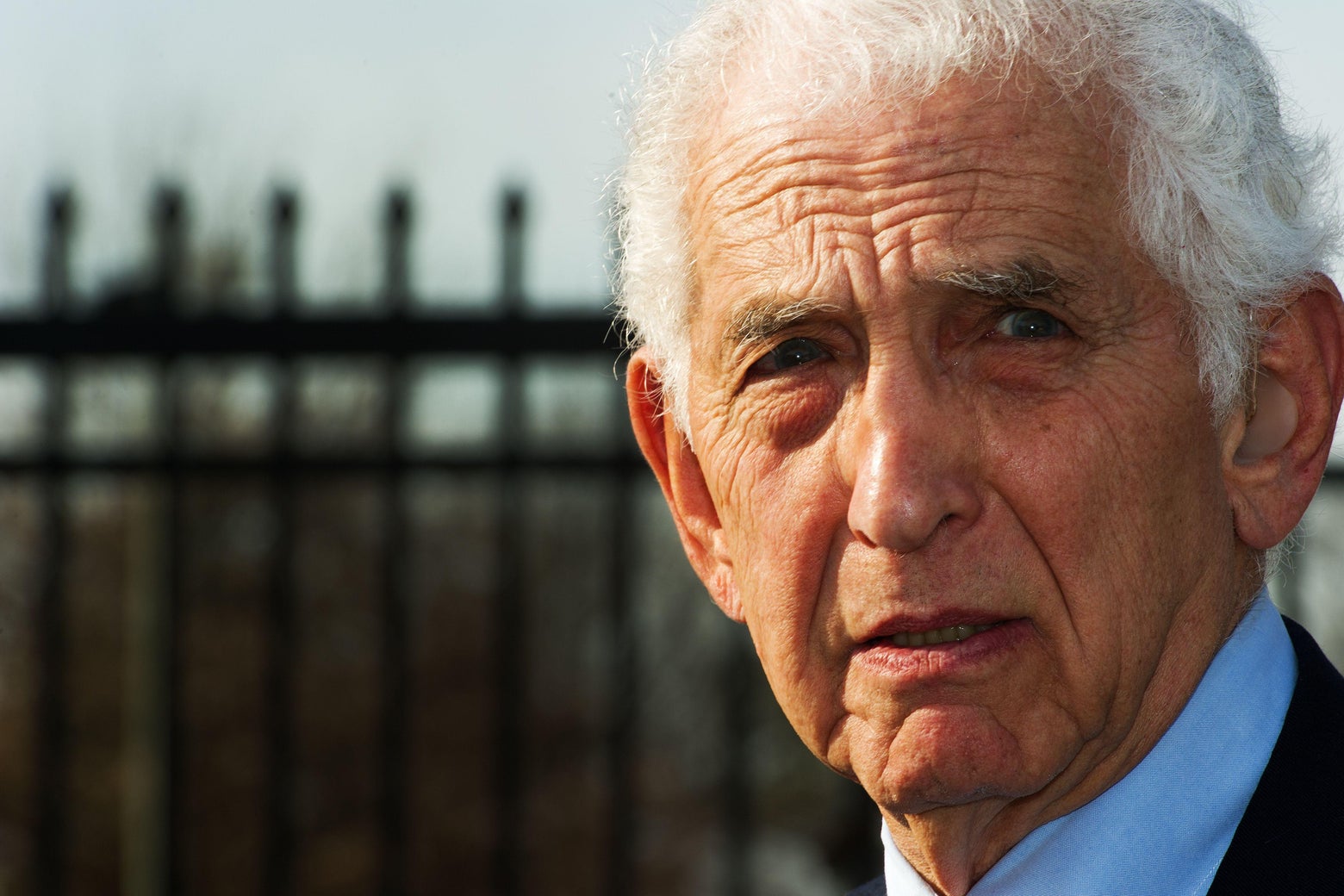
Daniel Ellsberg, the whistleblower who leaked the Pentagon Papers, a top-secret history of the Vietnam War, has died at the age of 92. Ellsberg, a former defense analyst at the RAND Corporation, pilfered and photocopied the 7,000-page study of the war, which contained internal documents showing that senior officials knew the war was a hopeless mistake very early on but kept sending soldiers to fight, kill, and die anyway. The leak opened up a critical public dialogue about U.S. foreign policy, triggered a Supreme Court ruling that broadened the rights of free speech, inspired newspapers to investigate office-holders more bravely, and indirectly terminated Nixon’s presidency.
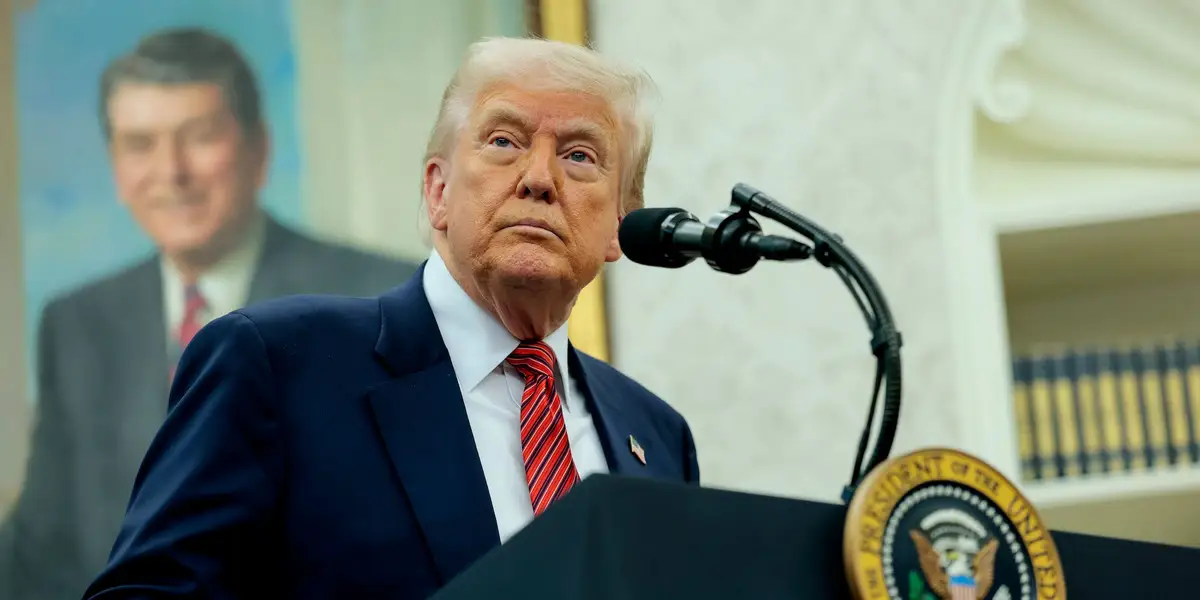
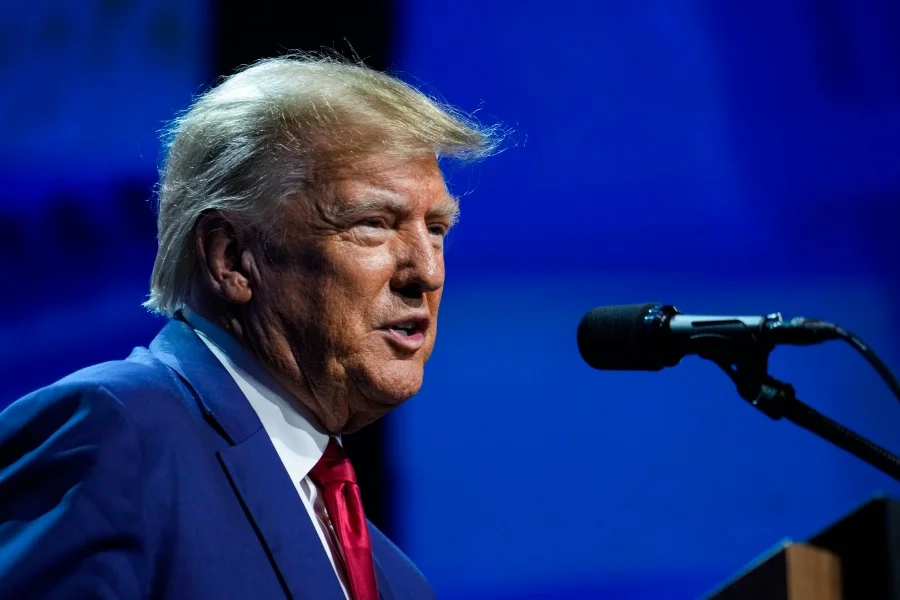
Former President Trump compared himself to former President Nixon, highlighting the support he has in Congress and within his own party. Trump faces ongoing legal battles, including 34 felony counts of falsifying business records over hush money paid to adult film star Stormy Daniels ahead of the 2016 election. He is also the subject of special counsel probes from the Justice Department into his handling of classified materials and efforts to overturn the 2020 election results, as well as a district attorney probe in Georgia into election interference attempts in the state.
Former President Trump compared himself to former President Nixon, highlighting the support he has in Congress and within his own party as he faces ongoing legal battles. Trump also discussed Nixon's resignation and his own book, "Letters to Trump," which includes messages from top pop culture and political figures. Trump faces 34 felony counts of falsifying business records in New York and is the subject of special counsel probes into his handling of classified materials and efforts to overturn the 2020 election results.