Tag

Nutrition Labeling

All articles tagged with #nutrition labeling

Frozen Lunch Sodium: How Your Desk Meal Could Rival Chips for Salt
health1 month ago

Frozen Lunch Sodium: How Your Desk Meal Could Rival Chips for Salt

Many frozen entrées carry 900–1,400 mg of sodium per serving, and some trays list two servings, meaning a single microwaved lunch can equal or exceed a bag of chips in salt and nudge daily intake toward the 2,300 mg guideline; to protect heart health, read labels, aim for under 600 mg sodium per entrée with at least 15 g protein and 5 g fiber, avoid misleading ‘light’ claims, and balance meals with vegetables or unsalted sides.

Calorie labels are estimates, not exact numbers, nutrition scientists say
health2 months ago

Calorie labels are estimates, not exact numbers, nutrition scientists say

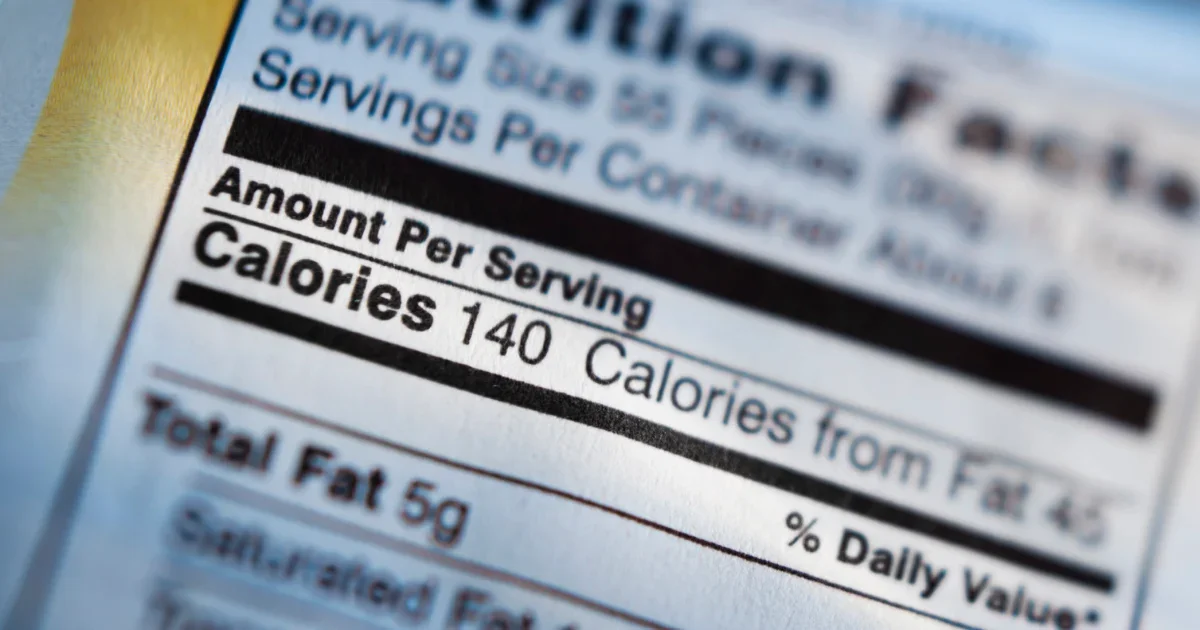
Calorie counts on packaged-food labels are estimates with a typical tolerance of up to 20% due to variations in digestion, absorption, and fiber; bomb calorimetry is the most accurate method but many labels rely on Atwater factors, which approximate calories from fat, carbs and protein. Restaurant and processing differences add to the uncertainty, and insoluble fiber can make actual absorbed calories lower than listed. The takeaway is to treat label numbers as rough guides and compare similar products rather than fixating on precise calories.

David Protein Bars Under Fresh Legal Fire Over Calorie and Fat Claims
health2 months ago

David Protein Bars Under Fresh Legal Fire Over Calorie and Fat Claims

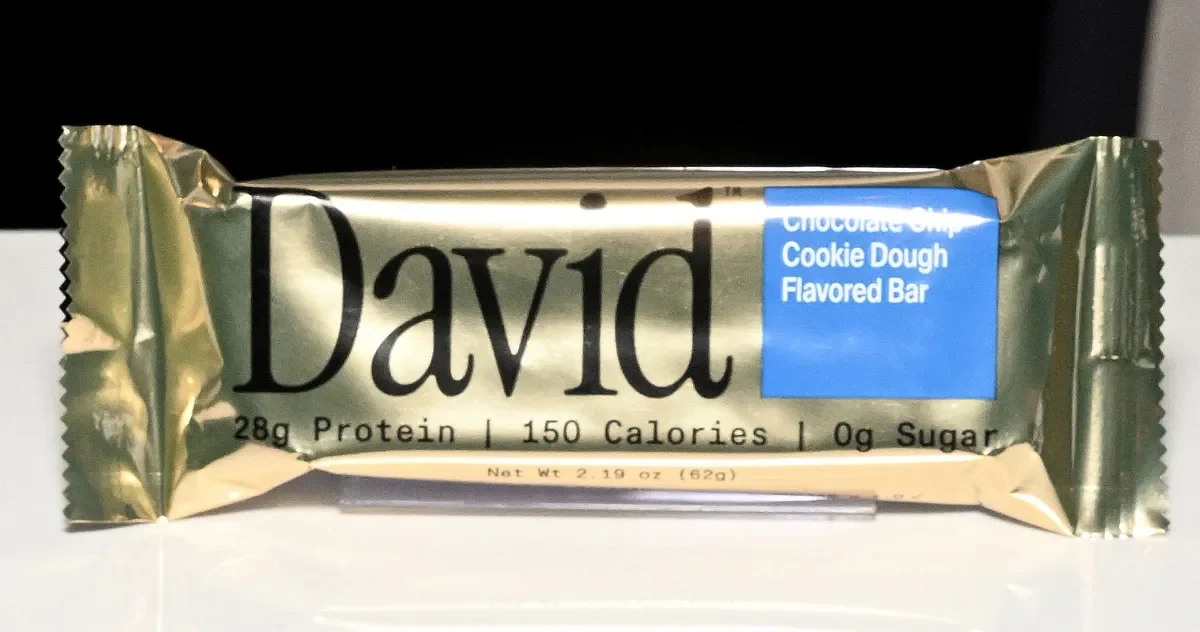
A class-action lawsuit claims David’s protein bars misstate nutrition facts, pointing to an accredited lab that found each bar contains 263–275 calories (versus the label’s 150) and 11.76–13.52 g of fat (versus 2–2.5 g). The suit alleges FDA regulation violations and misleading advertising; David’s co-founder Peter Rahal maintains the labeling complies with FDA standards and notes the use of Epogee’s fat substitute (EPG). The case follows prior antitrust disputes related to EPG, even as the brand expands its product line.

Some Food Preservatives Tied to Higher Cancer Risk, Study Finds
health3 months ago

Some Food Preservatives Tied to Higher Cancer Risk, Study Finds

A BMJ-backed study tracking over 100,000 people for about 15 years found that higher intake of several common food preservatives (including sulfites, nitrates/nitrites, and potassium sorbate) was linked to a modestly higher risk of overall cancer and some cancer types. The authors emphasize association, not causation, and experts note results may reflect broader ultra-processed diets. To reduce risk, focus on whole foods, read labels, limit processed meats, and consider safer preservation methods when possible.

RFK Jr.'s Campaign Sparks State Restrictions on Ultra-Processed Foods
health-and-nutrition8 months ago

RFK Jr.'s Campaign Sparks State Restrictions on Ultra-Processed Foods

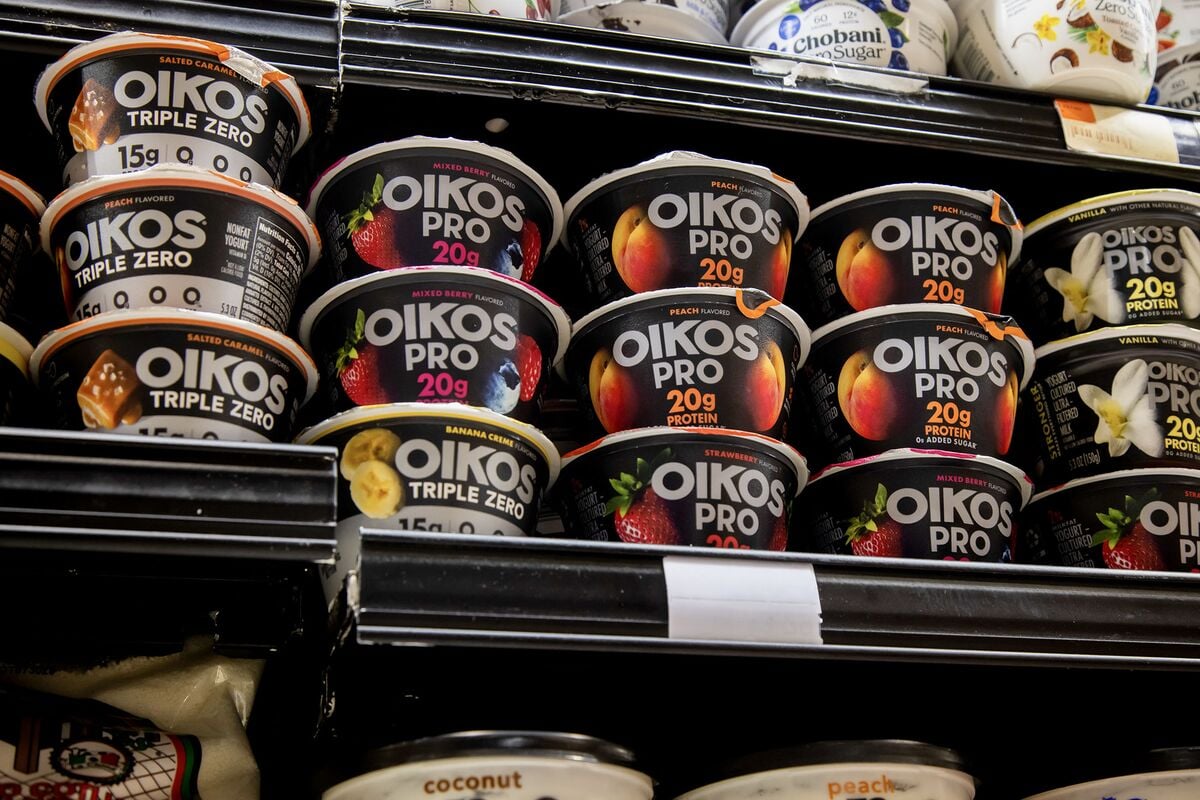
The US food industry is concerned about potential federal regulations and definitions of ultra-processed foods, which could impact products like yogurt and other nutrient-dense foods, as part of a broader effort led by Robert F. Kennedy Jr. to address health issues related to processed foods. Companies are lobbying to prevent their products from being classified as ultra-processed, fearing it could hurt sales, while the government considers labels and definitions to inform consumers and improve public health.

RFK Jr. Sparks Wave of Restrictions on Ultra-Processed Foods
health8 months ago

RFK Jr. Sparks Wave of Restrictions on Ultra-Processed Foods

The article discusses the debate over defining ultra-processed foods, with RFK Jr. advocating for labels to inform consumers about food processing levels, which could impact products like yogurt and plant-based meats. Food companies and industry groups are lobbying to prevent their products from being classified as ultra-processed, fearing it could hurt sales, while health advocates emphasize the importance of transparency and informed choices.