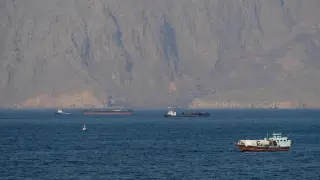
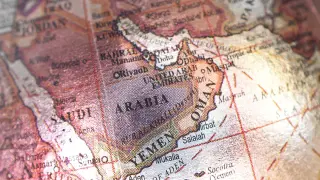
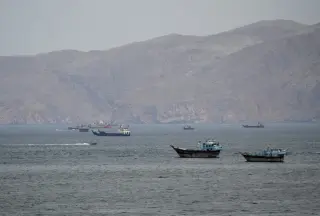
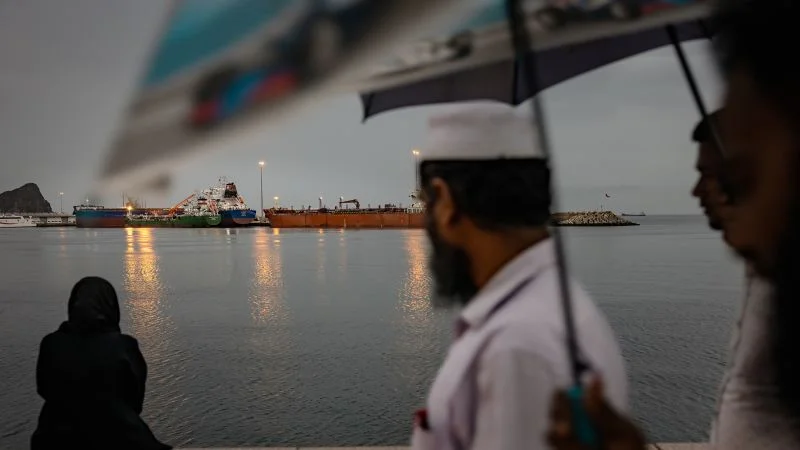
Iran has proposed levying tolls on vessels passing through the Strait of Hormuz, a move described as violating global trade norms that could heighten regional tensions and disrupt global oil shipments.
Iran is pushing a plan to monetize transit through the Strait of Hormuz by charging tolls on ships, tying passage to its geopolitical demands as it signals a “new regime” for the chokepoint. If implemented, fees could generate hundreds of millions to billions in revenue and rival the Suez Canal, but experts say such transit charges lack a clear basis under international law. The move underscores Tehran’s leverage from shipping disruptions, even as Western powers warn against tolls while some vessels reportedly test paid routes.
Lukoil declared force majeure on oil shipments from its West Qurna 2 field in Iraq due to US sanctions, impacting its international operations and leading to canceled cargoes, with the field's operatorship transferred to Iraqi firms to maintain production.
The US and South Korea have established a task force, the Enhanced Disruption Task Force (EDTF), to prevent North Korea from obtaining illicit oil, amid concerns over potential Russian assistance. The task force aims to disrupt North Korea's refined oil procurement networks and consider actions to expose sanctions evasion activities and engage private sector and third-party actors. This move comes as deadlock at the UN Security Council raises doubts about the future of international sanctions on North Korea.