Tag

Oregon Health And Science University

All articles tagged with #oregon health and science university

Late-Night Eating Linked to 35% Higher Fatty Liver Risk in 199,000-Person Study
health9 days ago

Late-Night Eating Linked to 35% Higher Fatty Liver Risk in 199,000-Person Study

A large observational study finds that eating late at night is associated with a 35% higher risk of fatty liver disease and a 28% higher risk of cirrhosis. Researchers suggest that misaligning meal times with the body's circadian rhythm disrupts liver metabolism, leading to fat accumulation. The findings emphasize that meal timing, not just food content, impacts long-term liver health.


Sleep Duration Outperforms Diet and Exercise as a Predictor of Longevity in New US Study
health-and-science27 days ago

Sleep Duration Outperforms Diet and Exercise as a Predictor of Longevity in New US Study

A new observational study from Oregon Health & Science University finds that insufficient sleep (less than seven hours per night) is a stronger predictor of lower life expectancy than diet or exercise. The analysis, published in Sleep Advances, used county-level US survey data from 2019 to 2025. While smoking and obesity showed even stronger associations with reduced lifespan, sleep remained a significant factor after controlling for physical inactivity, employment, and education. Researchers emphasize that while the study cannot prove causation, adequate sleep is a modifiable behavior linked to critical health outcomes.

"Maximizing COVID-19 Vaccine Effectiveness: The Impact of Alternating Arms"
health2 years ago

"Maximizing COVID-19 Vaccine Effectiveness: The Impact of Alternating Arms"

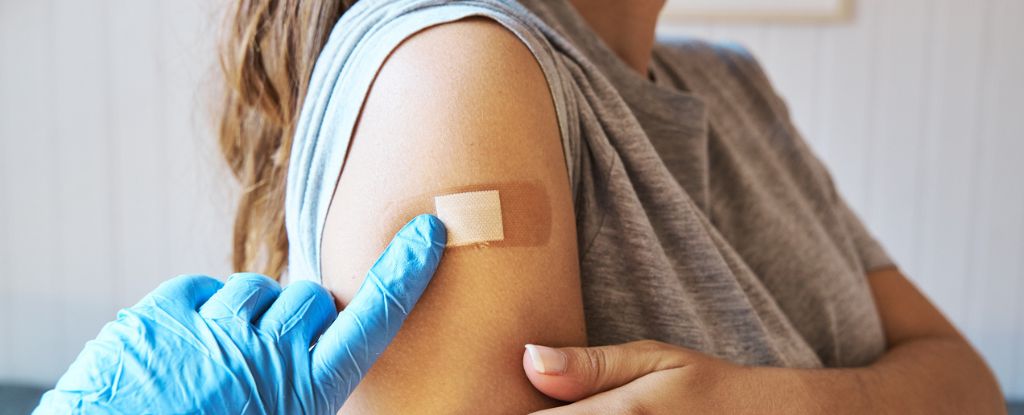
Researchers at Oregon Health & Science University found that administering COVID-19 vaccine doses in different arms, rather than the same arm, may significantly boost the immune response. Their study of 947 participants showed that those who received shots in both arms had up to a four-fold increase in SARS-CoV-2-specific serum antibodies compared to those who got shots in just one arm, and this improved immune response lasted more than a year after the booster was administered. The findings suggest that switching arms for vaccine administration may enhance immunological function by triggering an immune response in two locations instead of one.